


Tardive dyskinesia, the involuntary movement disorder associated with long-term exposure to antipsychotic medication, is being reframed as more than a visible side effect. A new analysis by Altinok, Volkmer, Fritze and colleagues examines how the condition intersects with the clinical course of schizophrenia spectrum disorders and mood disorders, while also exploring the biological processes that may make some patients particularly vulnerable. The work, published in Schizophrenia, focuses attention on a difficult paradox in modern psychiatry: the medicines that can reduce hallucinations, delusions, mania and severe agitation may, in a subset of patients, gradually alter the brain’s motor-control systems in ways that remain long after treatment changes.
Tardive dyskinesia typically appears as repetitive, involuntary movements of the mouth, tongue, jaw, face or limbs. Patients may chew without food, protrude or twist the tongue, blink repeatedly, grimace, rock the feet or perform irregular movements of the fingers and trunk. The symptoms can fluctuate, becoming more obvious during stress or voluntary movement and less visible when a person is relaxed. Because psychotic and mood disorders can themselves affect motor behaviour, and because antipsychotic treatment may cause several other movement syndromes, diagnosis is not always straightforward. The review highlights the importance of distinguishing tardive dyskinesia from drug-induced parkinsonism, akathisia, acute dystonia and other abnormal movements that require different clinical responses.
At the centre of the disorder is the brain’s dopamine system. Most conventional antipsychotics, and many newer agents to a lesser degree, reduce signalling through dopamine D2 receptors. This action is therapeutically valuable because excessive dopamine activity in specific neural circuits is linked to psychotic symptoms. Over prolonged exposure, however, some neurons may adapt by becoming more responsive to dopamine. This process, often described as dopamine-receptor supersensitivity, is one of the leading explanations for tardive dyskinesia. When the medication dose changes or dopamine signalling fluctuates, the altered circuitry may produce involuntary movements. The biological picture is not limited to a single receptor: researchers also discuss changes involving gamma-aminobutyric acid, glutamate, serotonin, oxidative stress and inflammatory pathways.
The vulnerability appears to be unevenly distributed across patients. Age is one of the most consistently recognised clinical correlates, with older adults generally facing a higher risk than younger patients. The cumulative duration and intensity of exposure to dopamine-blocking drugs are also important, although tardive dyskinesia can develop after comparatively limited treatment in susceptible individuals. The paper considers how sex, metabolic illness, smoking, cognitive impairment and the severity or chronicity of the underlying psychiatric disorder may influence risk. A history of electroconvulsive treatment or previous movement abnormalities may also complicate assessment. These factors should not be interpreted as simple causes; rather, they form a network of clinical signals that can help physicians identify patients who need closer monitoring.
The comparison between schizophrenia spectrum disorders and mood disorders is especially important. Antipsychotics are used in both settings, but the treatment histories and patterns of exposure may differ. A person with schizophrenia may receive antipsychotic medication continuously for years, while a person with bipolar disorder or severe depression may encounter repeated courses during manic, psychotic or treatment-resistant episodes. Mood disorders can also carry their own motor and behavioural features, potentially masking early tardive symptoms. At the same time, people with mood disorders may develop the condition even when their overall exposure seems lower than expected, suggesting that individual susceptibility, age, coexisting medical conditions and medication combinations matter as much as a simple treatment-duration calculation.
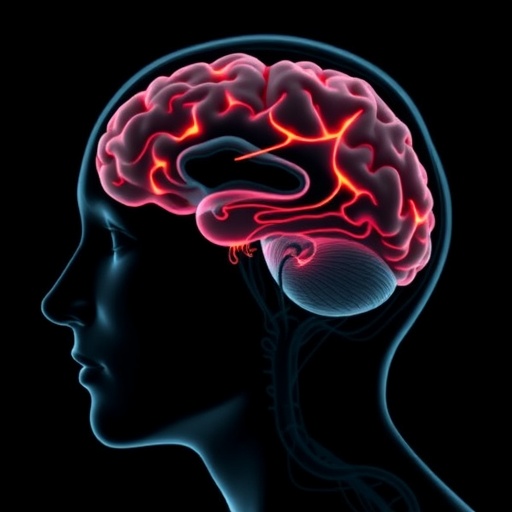
The neurobiological discussion reaches beyond dopamine receptors to the circuitry that coordinates movement. Tardive dyskinesia is commonly linked to dysfunction in cortico-striato-thalamo-cortical loops, networks connecting the cerebral cortex with the basal ganglia and thalamus. These circuits select, initiate and suppress movement. If inhibitory control within the striatum becomes unstable, unwanted motor patterns may escape the brain’s filtering systems. Oxidative stress may add to the damage by generating reactive molecules that neurons cannot adequately neutralise. Mitochondrial dysfunction, altered GABAergic inhibition and glutamatergic excitability have each been proposed as contributors. The review presents tardive dyskinesia as the outcome of interacting adaptations rather than a single chemical defect, helping explain why symptoms vary widely between individuals.
Genetics may be another piece of the puzzle. Differences in genes involved in dopamine receptors, drug metabolism, synaptic plasticity, antioxidant defence and inflammatory signalling could affect how the nervous system responds to chronic medication exposure. Yet genetic findings have not produced a definitive clinical test. The same uncertainty applies to proposed blood, imaging and electrophysiological biomarkers. Brain-imaging studies have suggested changes in basal-ganglia function and connectivity, but these findings are not sufficiently consistent to diagnose an individual patient. The authors’ synthesis therefore supports a cautious interpretation: biological markers may eventually improve prediction and personalised treatment, but careful clinical observation remains the essential tool for now.
That observation must begin before symptoms become unmistakable. Standardised instruments such as the Abnormal Involuntary Movement Scale can help clinicians document facial, oral, limb and body movements at baseline and during follow-up. Regular assessment is particularly important when antipsychotic therapy is initiated, increased or continued over long periods. Patients and families should be told that repetitive movements deserve attention rather than being dismissed as nervous habits or signs of psychiatric deterioration. If tardive dyskinesia is suspected, clinicians must balance movement risk against the danger of destabilising the underlying illness. Abruptly stopping an antipsychotic can worsen psychosis or mania and may temporarily intensify dyskinetic movements, making an individualised plan essential.
The therapeutic landscape has expanded beyond simply reducing or changing antipsychotic medication. Vesicular monoamine transporter 2 inhibitors, including valbenazine and deutetrabenazine, can reduce abnormal movements by regulating the packaging and release of dopamine in nerve terminals. Switching to an antipsychotic with a lower movement-disorder risk may be considered in selected cases, while supportive treatment can address distress, social embarrassment and functional limitations. The new analysis reinforces the need to treat tardive dyskinesia as a long-term neurological and psychiatric issue rather than an unavoidable price of effective care. Its broader message is timely: understanding who develops the disorder, how brain circuits adapt and why symptoms persist could lead to earlier detection, safer prescribing and therapies designed around the biology of each patient.
Cite Scienmag News
Glenn Wilkins. (August 24, 2026). Study identifies clinical and brain-related features of tardive dyskinesia across psychiatric disorders. Scienmag. https://scienmag.com/study-identifies-clinical-and-brain-related-features-of-tardive-dyskinesia-across-psychiatric-disorders/
Glenn Wilkins. "Study identifies clinical and brain-related features of tardive dyskinesia across psychiatric disorders." Scienmag, 24 August 2026, https://scienmag.com/study-identifies-clinical-and-brain-related-features-of-tardive-dyskinesia-across-psychiatric-disorders/. Accessed 3 September 2026.
Glenn Wilkins. "Study identifies clinical and brain-related features of tardive dyskinesia across psychiatric disorders." Scienmag. August 24, 2026. https://scienmag.com/study-identifies-clinical-and-brain-related-features-of-tardive-dyskinesia-across-psychiatric-disorders/


