


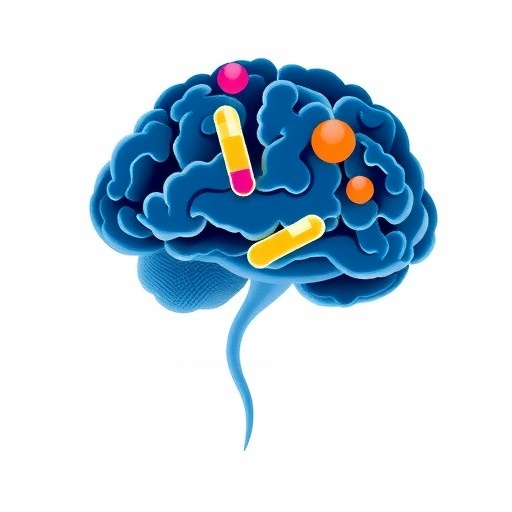
A 12-week pilot study is putting the rapidly expanding “gut–brain axis” hypothesis to a direct test, examining whether a combination of probiotic microorganisms can influence depressive and anxiety symptoms in adults. Published in Translational Psychiatry in 2026, the study by Ovadia, Okal, Gefel and colleagues investigates a multi-strain probiotic intervention rather than a single bacterial species, reflecting the growing scientific view that mental health may be shaped by complex microbial communities rather than one “miracle” organism.
The gut–brain axis describes the two-way communication network linking the gastrointestinal tract and the central nervous system. Signals travel through several routes, including the vagus nerve, immune molecules, hormones and metabolites produced when intestinal bacteria break down food. Because depression and anxiety involve changes in stress regulation, inflammation, metabolism and neural signaling, researchers have begun asking whether modifying the gut microbiome could complement established psychiatric treatments.
Probiotics are live microorganisms administered with the intention of providing a health benefit. In the context of mental health research, they are sometimes described as “psychobiotics,” although that term does not yet represent a clinically standardized category. Different bacterial strains can produce different compounds and interact with the intestinal lining in distinct ways. A multi-strain formulation is therefore designed to create broader biological effects than a single-strain product, although combining strains does not automatically guarantee that they will work better together.
The study focuses on adults experiencing depressive and anxiety symptoms and follows the intervention for 12 weeks. That duration is long enough to observe potential changes in symptom patterns, while remaining relatively brief compared with long-term psychiatric and microbiome research. As a pilot study, the work is primarily important for testing feasibility, identifying signals that justify larger trials and exploring how a probiotic intervention might be evaluated in people with clinically relevant emotional symptoms.
The biological theory behind the intervention is plausible but complex. Some intestinal bacteria can generate short-chain fatty acids, including acetate, propionate and butyrate, which influence immune activity, the intestinal barrier and cellular energy metabolism. Other microbial products may interact with tryptophan pathways, potentially affecting the availability of biochemical precursors involved in serotonin signaling. These mechanisms could theoretically influence brain function, but laboratory plausibility is not the same as demonstrated clinical effectiveness.
The microbiome may also interact with the body’s stress-response system. Depression and anxiety are frequently associated with altered activity of the hypothalamic–pituitary–adrenal axis, the hormonal network that helps the body respond to stress. Intestinal microbes can influence immune signaling and endocrine responses, while stress itself can alter gut motility, barrier function and microbial composition. This creates a feedback loop in which psychological distress and gastrointestinal biology may reinforce one another, making the direction of cause and effect difficult to establish.
That difficulty is central to interpreting probiotic research. The composition of the gut microbiome varies substantially between individuals and is influenced by diet, medication, sleep, age, geography and existing health conditions. Antibiotics and antidepressant medications can also affect microbial communities or gastrointestinal function. A probiotic that produces a measurable effect in one population may have a smaller or different effect in another, depending on the organisms already present and the host’s underlying biology.
The 12-week pilot should therefore be viewed as an exploratory contribution rather than definitive evidence that probiotics treat depression or anxiety. Pilot studies often involve limited participant numbers and may not be designed to detect modest differences with the statistical confidence required for clinical recommendations. They can nevertheless reveal whether participants are willing to follow the regimen, whether the intervention appears tolerable and whether symptom or biological changes are large enough to merit a controlled trial with more participants.
The study arrives at a moment when commercial interest in mental-health probiotics is moving faster than the evidence base. Products marketed for mood support are widely available, but supplements can differ in bacterial strains, doses, manufacturing quality and stability. A scientific trial evaluates a defined formulation under controlled conditions, whereas an over-the-counter product may not reproduce the same microbial combination or dosage. For patients, the distinction matters: probiotic research may eventually identify useful adjuncts, but it does not currently replace psychotherapy, prescribed medication or professional evaluation.
The broader significance of the work lies in its attempt to connect psychiatry with systems biology. Depression and anxiety are not single-pathway disorders, and the gut microbiome is not a simple switch that can be turned on or off. A multi-strain intervention offers one way to investigate whether coordinated changes in intestinal ecology can influence immune, metabolic and neural processes associated with emotional health. The findings from this pilot will need to be confirmed through larger, randomized and carefully controlled studies, but they add to a rapidly developing scientific conversation about how the microbes within the body may participate in the biology of the mind.
Cite Scienmag News
Glenn Wilkins. (August 6, 2026). Pilot Study Tests Multi-Strain Probiotic for Depression and Anxiety Symptoms in Adults. Scienmag. https://scienmag.com/pilot-study-tests-multi-strain-probiotic-for-depression-and-anxiety-symptoms-in-adults/
Glenn Wilkins. "Pilot Study Tests Multi-Strain Probiotic for Depression and Anxiety Symptoms in Adults." Scienmag, 6 August 2026, https://scienmag.com/pilot-study-tests-multi-strain-probiotic-for-depression-and-anxiety-symptoms-in-adults/. Accessed 3 September 2026.
Glenn Wilkins. "Pilot Study Tests Multi-Strain Probiotic for Depression and Anxiety Symptoms in Adults." Scienmag. August 6, 2026. https://scienmag.com/pilot-study-tests-multi-strain-probiotic-for-depression-and-anxiety-symptoms-in-adults/


