


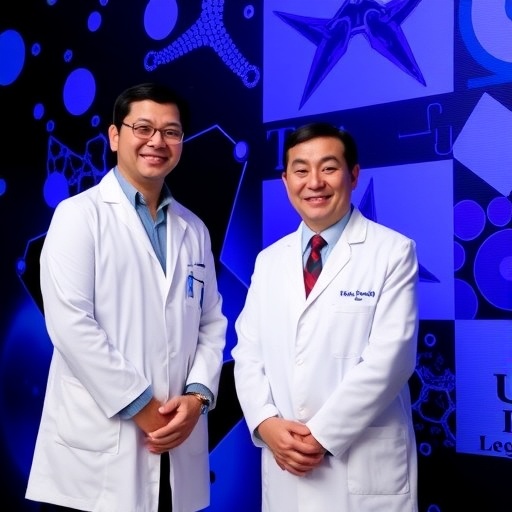
Dr. Cristina Puig-Saus and her research team at the UCLA Health Jonsson Comprehensive Cancer Center have received a five-year, $3.9 million grant from the National Cancer Institute to pursue a potentially powerful strategy for improving cancer immunotherapy. The project will focus initially on melanoma, an aggressive skin cancer known for its ability to adapt to treatment, but the researchers believe the approach could eventually be applied to a much broader range of tumors. Their goal is to identify drugs that help immune cells recognize, engage with and destroy cancer cells more efficiently.
Cancer immunotherapy has transformed oncology by shifting part of the fight against tumors from conventional chemotherapy and radiation toward the patient’s own immune system. Among the most important advances are immune checkpoint inhibitors, which release molecular brakes that restrain T cells, and engineered or expanded T-cell therapies designed to target malignant cells. Yet these treatments remain ineffective for many patients. Some tumors lack the biological signals needed for T-cell recognition, while others create a hostile microenvironment that suppresses immune activity or evolve rapidly enough to escape attack.
T cells are specialized immune cells capable of identifying abnormal proteins displayed on the surface of cancer cells. After recognizing their targets, they form a close contact zone with the tumor cell, known as an immunological synapse, and release toxic molecules that can trigger the cancer cell to die. This process depends on a series of precisely coordinated interactions between the T cell and the tumor. If any part of that process is weakened—whether because the tumor hides its identifying markers, blocks immune signaling or resists cell death—the immune response may fail even when large numbers of T cells are present.
To search for ways to overcome these barriers, Puig-Saus’ laboratory has developed a drug screening platform capable of testing thousands of chemical compounds. Such platforms allow scientists to observe how individual molecules influence interactions between immune cells and cancer cells. Rather than examining only whether a drug kills tumor cells directly, the UCLA team can investigate whether a compound changes the biological relationship between the tumor and the immune system. This distinction is important because many promising immunotherapy-enhancing drugs may not be effective as standalone cancer treatments.
The screening effort has identified two leading candidates with complementary effects. One compound appears to strengthen the physical and functional interaction between T cells and cancer cells. By improving the formation or stability of the cellular contact needed for immune attack, the drug could help T cells deliver their destructive signals more effectively. This type of intervention may be especially valuable in tumors where immune cells reach the cancer but fail to establish a sufficiently strong or sustained response.
The second candidate acts primarily on tumor cells rather than directly modifying T cells. Preliminary findings suggest that it makes cancer cells more vulnerable to destruction by T cells. In technical terms, the drug may alter pathways controlling tumor-cell survival, stress responses or susceptibility to the molecular machinery released by activated immune cells. The compound could therefore increase the “killability” of cancer cells without requiring researchers to permanently reprogram or intensify the immune cells themselves, potentially offering a different route to improving treatment efficacy.
The new grant will support experiments in preclinical melanoma models to determine whether either compound can boost existing immunotherapies. Researchers will evaluate combinations with immune checkpoint inhibitors and T-cell-based treatments, measuring tumor growth, immune-cell activity, treatment durability and possible toxic effects. They will also study how the compounds work at the molecular level, seeking to identify the cellular pathways responsible for improved immune recognition or tumor destruction. Understanding those mechanisms will be essential for selecting appropriate patients and designing safe clinical trials.
Melanoma provides a particularly important testing ground because it can carry a high number of mutations, creating abnormal proteins that immune cells may recognize. Despite this vulnerability, melanoma can still suppress immune responses and develop resistance after an initial treatment benefit. A drug that restores the effectiveness of T cells or exposes a tumor’s hidden weaknesses could help extend responses in patients who do not benefit from current therapies or whose cancers return after treatment. The researchers will need to establish whether the compounds work broadly across genetically different melanomas or only in tumors with particular biological features.
“If successful, these drugs could significantly improve the effectiveness of current immunotherapies and help more patients benefit from these treatments,” Puig-Saus said. She is an associate professor of microbiology, immunology and molecular genetics and surgical oncology at the David Geffen School of Medicine at UCLA. She is also a member of the UCLA Broad Stem Cell Research Center and the UCLA Parker Institute for Cancer Immunotherapy. Because the compounds are being developed as partners for existing treatments rather than replacements for them, the strategy could potentially be adapted to other cancers in which immune evasion and resistance limit therapeutic success.
The project remains at the preclinical stage, and its compounds have not yet been established as safe or effective treatments for people. Many candidates that show promise in laboratory systems ultimately fail because they produce unexpected toxicity, lose activity in complex tumors or cannot be delivered at useful doses. The UCLA team’s upcoming studies will therefore examine both therapeutic benefit and safety while tracing the precise mechanisms involved. If the candidates continue to perform well, they could provide a foundation for future clinical development and offer a new way to make the immune system’s attack on cancer more precise, persistent and effective.
Web References: https://www.uclahealth.org/cancer/members/cristina-puig-saus; https://www.uclahealth.org/cancer
Cite Scienmag News
Nathaniel Bowman. (August 6, 2026). UCLA Researchers Win NIH Grant to Improve Cancer Immunotherapy Effectiveness. Scienmag. https://scienmag.com/ucla-researchers-win-nih-grant-to-improve-cancer-immunotherapy-effectiveness/
Nathaniel Bowman. "UCLA Researchers Win NIH Grant to Improve Cancer Immunotherapy Effectiveness." Scienmag, 6 August 2026, https://scienmag.com/ucla-researchers-win-nih-grant-to-improve-cancer-immunotherapy-effectiveness/. Accessed 3 September 2026.
Nathaniel Bowman. "UCLA Researchers Win NIH Grant to Improve Cancer Immunotherapy Effectiveness." Scienmag. August 6, 2026. https://scienmag.com/ucla-researchers-win-nih-grant-to-improve-cancer-immunotherapy-effectiveness/


