


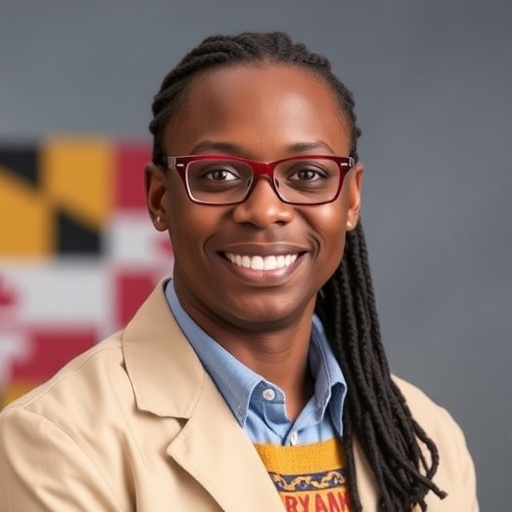
University of Maryland School of Medicine (UMSOM) has appointed Enrico M. Novelli, MD, MS, as Director of the UMSOM Program in Sickle Cell Disease and as a Professor in the Department of Medicine, Division of Hematology/Oncology. The move places a globally recognized sickle cell expert at the center of clinical care and translational research, with Dr. Novelli treating patients at the University of Maryland Marlene and Stewart Greenebaum Comprehensive Cancer Center (UMGCCC).
In his new leadership role, he will also serve as Chief of the University of Maryland Medical System (UMMS) Sickle Cell Disease and Classical Hematology Network, a Maryland-wide initiative designed to expand access to specialized care. The network’s goal is to strengthen pathways from diagnosis to advanced therapies, including novel treatment strategies currently available through participating UMMS programs.
Dr. Novelli joins UMSOM from the University of Pittsburgh School of Medicine, where he led the Division of Classical Hematology and directed the Adult Sickle Cell Program at the University of Pittsburgh Medical Center. His background spans classical hematology and physician-scientist work focused on sickle cell disease (SCD) biology and vascular outcomes.
At UMSOM and UMGCCC, Dr. Novelli is expected to collaborate with clinicians who already deliver advanced approaches, including gene therapy with curative potential. He will contribute to a system-level strategy intended to scale these therapies while supporting the research infrastructure needed to evaluate and optimize outcomes.
His research program is NIH-funded and targets improved diagnosis, treatment, and care for people with SCD using advances in biomarker discovery, imaging, therapy development, and healthcare delivery. By connecting molecular signals to clinically meaningful endpoints, his team aims to refine how clinicians identify risk, monitor disease progression, and select therapies.
Dr. Novelli previously served as site Principal Investigator for the Sickle Cell Disease and Cardiovascular Risk – Red Cell Exchange Trial (SCD-CARRE), a randomized multicenter study testing red cell exchange transfusion as a strategy to slow end-organ damage. The trial began in February 2020 and is scheduled to conclude in July 2026 across 22 sites in Brazil, France, and the United States.
The program also builds on existing collaborations with UMSOM Dean Mark Gladwin, MD. Together, their work has emphasized rigorous study design and translational relevance, linking cardiovascular risk mechanisms with SCD-specific interventions.
Beyond clinical trials and laboratory research, Dr. Novelli has worked to strengthen hematology education and workforce development internationally. Through leadership activities with the American Society of Hematology, he has supported newborn screening initiatives in Africa and helped expand international training and research mentoring across multiple resource-limited regions.
He completed medical training at the University of Milan, followed by postdoctoral fellowships at Johns Hopkins University and the University of Pittsburgh. His scientific output has been widely cited and published in major peer-reviewed journals, reinforcing his role as a leader in SCD and blood vessel biology.
Cite Scienmag News
Nathaniel Bowman. (July 28, 2026). Renowned expert leads University of Maryland program for sickle cell disease. Scienmag. https://scienmag.com/renowned-expert-leads-university-of-maryland-program-for-sickle-cell-disease/
Nathaniel Bowman. "Renowned expert leads University of Maryland program for sickle cell disease." Scienmag, 28 July 2026, https://scienmag.com/renowned-expert-leads-university-of-maryland-program-for-sickle-cell-disease/. Accessed 3 September 2026.
Nathaniel Bowman. "Renowned expert leads University of Maryland program for sickle cell disease." Scienmag. July 28, 2026. https://scienmag.com/renowned-expert-leads-university-of-maryland-program-for-sickle-cell-disease/


