


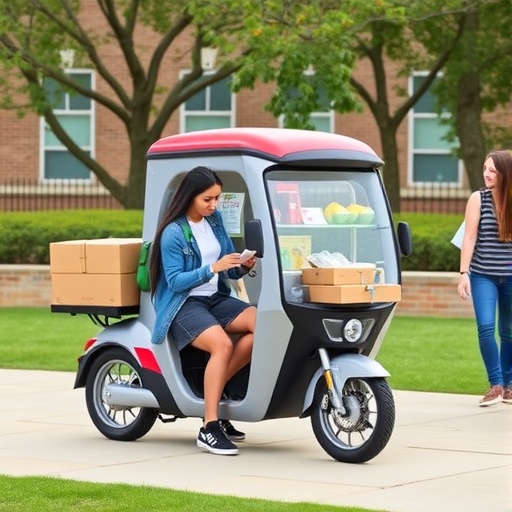
Nearly one-quarter of U.S. adolescents reported using mobile food delivery during school hours, while almost half said they use it after school, according to a national survey of 1,027 teens aged 13–17. The study, conducted online in summer 2025, suggests that smartphone-based ordering is now a routine part of how students access food and drinks around the school day.
Among teens who used delivery services, nearly 60% ordered fast foods such as pizza and burgers. More than one-third also reported purchasing sugar-sweetened beverages, including sodas. Researchers say these patterns matter because many school nutrition programs are built around healthier, regulated food options on campus.
Lead author Mika Matsuzaki, PhD, MS, MPH, argues that existing federal and state policies are designed for cafeterias and vending machines, not for foods arriving via apps from far beyond school grounds. “Technology has outpaced policy,” Matsuzaki said, describing the phone as a direct conduit between students and off-campus food outlets.
The work extends beyond national averages, revealing regional differences. Teens in the western United States were more likely to attend schools that permit mobile food delivery during school hours. Yet those students were also more likely to say they avoid using the service due to perceived high costs.
Support for allowing delivery appears relatively common: nearly half of respondents said they support the practice. However, concerns surfaced across both supporters and opponents, including potential impacts on campus learning conditions, equity, and bullying dynamics linked to app-based purchasing.
Importantly, students also flagged classroom disruption and safety risks related to increased phone use. Matsuzaki noted that adolescents rarely raise concerns about their own digital habits, and this division may indicate that students perceive delivery platforms as a “double-edged sword.”
Researchers propose a mitigation strategy focused on education and “digital nutrition navigation.” Rather than relying solely on blanket bans, schools could teach teens to plan orders, make healthier selections, and avoid impulsive purchases.
For administrators and policy makers, the study is positioned as a call for proactive conversations and guardrails that limit unhealthy influx during school hours. The authors also suggest that partnerships with delivery platforms could help nudge users toward healthier choices.
Because the findings are based on self-reported survey data, the authors emphasize limitations and call for future studies to validate the patterns in additional settings.
Matsuzaki will present the findings at NUTRITION 2026 (Food Choice, Markets, and Policy poster session) on July 27, 2026, in National Harbor, Maryland. Abstracts at the meeting are reviewed by an expert committee but are not yet equivalent to peer-reviewed publication.
Cite Scienmag News
Daisy Hatcher. (July 27, 2026). One in Four Teens Use Mobile Food Delivery at School. Scienmag. https://scienmag.com/one-in-four-teens-use-mobile-food-delivery-at-school/
Daisy Hatcher. "One in Four Teens Use Mobile Food Delivery at School." Scienmag, 27 July 2026, https://scienmag.com/one-in-four-teens-use-mobile-food-delivery-at-school/. Accessed 4 September 2026.
Daisy Hatcher. "One in Four Teens Use Mobile Food Delivery at School." Scienmag. July 27, 2026. https://scienmag.com/one-in-four-teens-use-mobile-food-delivery-at-school/


