


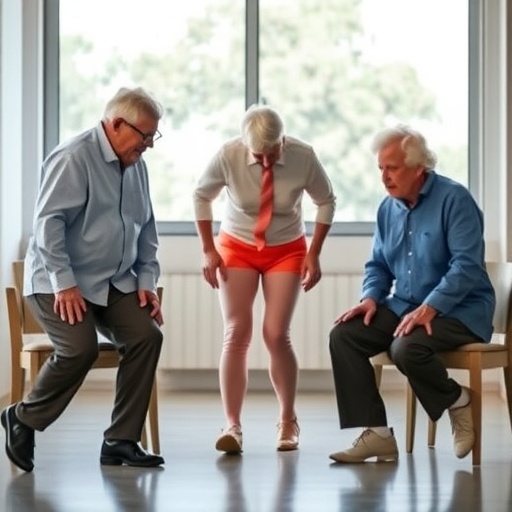
A new cross-sectional study published in BMC Geriatrics sheds light on how older adults with hip fractures perceive their risk of falling—and which factors shape those perceptions. The research, led by Du, Wang, Song, and colleagues, focuses on a population that is already medically vulnerable after hip injury, where falls can rapidly worsen outcomes and threaten independence.
Using a study design that captures data at a single point in time, the authors examined falls risk perception alongside potential influencing variables. This approach helps clarify patterns in how perception aligns with clinical realities, even though it cannot establish causality.
Participants were elderly patients recovering from hip fracture, a group known for elevated fall incidence due to impaired mobility, pain, muscle weakness, and changes in balance. The researchers highlight that “risk perception” is not merely a subjective viewpoint; it can influence adherence to protective behaviors such as using assistive devices, participating in physiotherapy, and following safety recommendations at home.
The analysis emphasizes that falls risk perception may be shaped by multiple domains. These include personal and demographic characteristics, health status, and the extent of functional limitation after the fracture. In clinical terms, the study suggests that risk understanding is likely intertwined with physical capability and perceived ability to navigate daily activities safely.
Importantly, the team notes that inaccurate or underinformed perception could reduce engagement with fall-prevention strategies. Conversely, heightened awareness without practical guidance may create anxiety or maladaptive behavior, underscoring the need for balanced communication.
From a technical perspective, the study’s cross-sectional framework supports identifying associations between variables and perceived risk. The findings can inform targeted risk-communication interventions, especially when clinicians discuss recovery progress and safety planning.
With the DOI-linked publication appearing in 2026, the work adds to a growing evidence base on fall-prevention psychology in geriatric care. It also raises an actionable question for healthcare teams: Are patients’ fall-risk beliefs being assessed and aligned with individualized rehabilitation plans?
Ultimately, by mapping the factors that influence perceived fall risk in hip fracture patients, the study offers a pathway toward more responsive interventions—potentially improving adherence to preventive behaviors during a critical recovery window.
Cite Scienmag News
Ophelia Keating. (July 27, 2026). Study Finds Falls Risk Perception Influenced by Multiple Factors in Elderly Hip Fracture Patients. Scienmag. https://scienmag.com/study-finds-falls-risk-perception-influenced-by-multiple-factors-in-elderly-hip-fracture-patients/
Ophelia Keating. "Study Finds Falls Risk Perception Influenced by Multiple Factors in Elderly Hip Fracture Patients." Scienmag, 27 July 2026, https://scienmag.com/study-finds-falls-risk-perception-influenced-by-multiple-factors-in-elderly-hip-fracture-patients/. Accessed 4 September 2026.
Ophelia Keating. "Study Finds Falls Risk Perception Influenced by Multiple Factors in Elderly Hip Fracture Patients." Scienmag. July 27, 2026. https://scienmag.com/study-finds-falls-risk-perception-influenced-by-multiple-factors-in-elderly-hip-fracture-patients/


