

Sunday, July 26, 2026
Science
No Result
View All Result
  • Login
  • HOME
  • SCIENCE NEWS
  • CONTACT US
  • HOME
  • SCIENCE NEWS
  • CONTACT US
No Result
View All Result
Scienmag
No Result
View All Result
Home Science News Medicine

Focal Astrocyte Loss Shows Nuclear Translocation During Lesion Repopulation

July 26, 2026
in Medicine
Reading Time: 2 mins read
0
Focal Astrocyte Loss Shows Nuclear Translocation During Lesion Repopulation

Focal Astrocyte Loss Shows Nuclear Translocation During Lesion Repopulation

65
SHARES
587
VIEWS
Share on FacebookShare on Twitter
ADVERTISEMENT

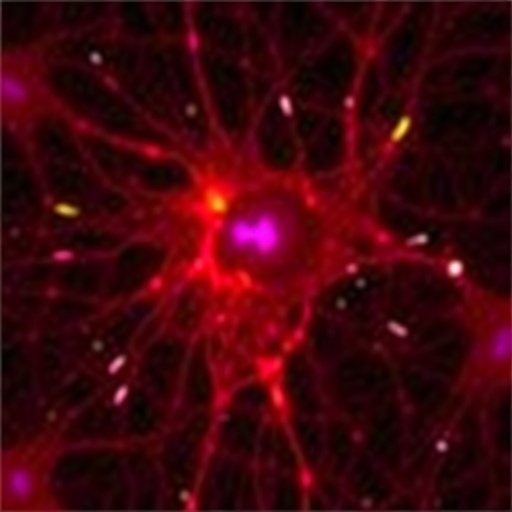
In a study published in Nature Neuroscience, researchers report that when brain tissue is damaged in a localized way, the astrocytes tasked with maintaining neural function can transiently disappear—and then return through a tightly orchestrated repopulation program. The findings reveal that this recovery is not merely a matter of cells moving back into place, but involves a striking molecular and cellular event: the translocation of astrocyte nuclei during lesion repair.

Astrocytes are abundant support cells in the central nervous system, coordinating synaptic environments, regulating inflammation, and shaping the extracellular milieu. Yet, after focal injury, astrocytes do not all behave the same. The new work focuses on a specific phase in which lesion borders lose astrocytic identity before repopulation begins, creating a temporary “gap” in local glial support.

Using advanced cellular imaging and lineage-sensitive approaches, the authors mapped astrocyte dynamics across the injury landscape. They observed a focal loss of astrocyte markers near the lesion, followed by a replacement wave in which astrocytic cells repopulate the damaged region. Importantly, they tracked nuclear movement—an intracellular maneuver that suggests astrocytes undergo a stress-linked reprogramming state rather than remaining static.

The study highlights nuclear translocation during repopulation, implying that key transcriptional regulators relocate toward the nucleus as astrocytes transition between injured and recovered phenotypes. This spatial nuclear shift may enable rapid changes in gene expression required for rebuilding local support functions, including regulation of metabolic support and modulation of inflammation-related signaling.

Technically, the researchers linked behavioral stages of repair to cell-level morphology and subcellular localization, bridging the gap between tissue-level recovery and molecular control. By aligning lesion timing with astrocyte presence and nuclear positioning, they provide a temporal framework for when and how astrocytes switch programs during repair.

The results also carry implications for how glial networks are restored after injury. Rather than assuming that astrocytes simply survive and expand, the data suggest a dynamic cycle: loss, displacement of cellular identity features, and re-entry marked by a nuclear reorganization step.

For readers following viral science news, the takeaway is clear: brain repair may depend on internal “command changes” inside astrocytes, visible at the level of where cell nuclei go during repopulation. Such insights could inform future strategies aimed at accelerating recovery by targeting the molecular pathways that coordinate nuclear translocation and astrocyte reintegration.

Subject of Research: Astrocyte loss and lesion repopulation dynamics in the damaged brain
Article Title: Focal astrocyte loss reveals nuclear translocation during lesion repopulation.
Article References: Herwerth, M., Wyss, M.T., Schmid, N.B. et al. Focal astrocyte loss reveals nuclear translocation during lesion repopulation. Nat Neurosci (2026). https://doi.org/10.1038/s41593-026-02354-5
Image Credits: AI Generated
DOI: https://doi.org/10.1038/s41593-026-02354-5

Tags: advanced imaging of astrocyte behaviorastrocyte cellular dynamics during CNS repairastrocyte loss and repopulation after brain injuryastrocyte nuclear translocationcellular stress responses in astrocytesfocal gliosis and glial scar formationglial cell response to neural injurylineage tracing in neural tissue repairmolecular mechanisms of astrocyte reprogrammingneuroinflammationnuclear movement in reactive astrocytestranscriptional regulation during astrocyte repopulation
Share26Tweet16
Previous Post

Substrate-Free Photosensitizer Radical Pairs Enable Hypoxia-Tolerant Multipath Photoredox Therapy

Next Post

Gene transfer between infecting bacteria drives extreme antibiotic resistance in lungs

Related Posts

Structure Reveals How Trypanosome Mitochondria Coordinate RNA Editing Cascade
Medicine

Structure Reveals How Trypanosome Mitochondria Coordinate RNA Editing Cascade

July 26, 2026
ENVnet launches global molecular resource for dissolved organic matter data
Medicine

ENVnet launches global molecular resource for dissolved organic matter data

July 26, 2026
Mitochondrial Metabolism Predicts Chemotherapy Sensitivity in Colorectal Cancer
Medicine

Mitochondrial Metabolism Predicts Chemotherapy Sensitivity in Colorectal Cancer

July 26, 2026
ACSS2-KAT5 drives histone crotonylation to trigger MASLD-to-MASH inflammation
Medicine

ACSS2-KAT5 drives histone crotonylation to trigger MASLD-to-MASH inflammation

July 26, 2026
Androgen receptor targeting radiosensitizes glioblastoma by rewiring TGF-β/Smad3 signaling
Medicine

Androgen receptor targeting radiosensitizes glioblastoma by rewiring TGF-β/Smad3 signaling

July 26, 2026
Maternal Wildfire Exposure Linked to Neonatal Outcomes in 28-Year Chile Study
Medicine

Maternal Wildfire Exposure Linked to Neonatal Outcomes in 28-Year Chile Study

July 26, 2026
Next Post
Gene transfer between infecting bacteria drives extreme antibiotic resistance in lungs

Gene transfer between infecting bacteria drives extreme antibiotic resistance in lungs

  • Mothers who receive childcare support from maternal grandparents show more

    Mothers who receive childcare support from maternal grandparents show more parental warmth, finds NTU Singapore study

    27656 shares
    Share 11059 Tweet 6912
  • University of Seville Breaks 120-Year-Old Mystery, Revises a Key Einstein Concept

    1061 shares
    Share 424 Tweet 265
  • Bee body mass, pathogens and local climate influence heat tolerance

    682 shares
    Share 273 Tweet 171
  • Researchers record first-ever images and data of a shark experiencing a boat strike

    546 shares
    Share 218 Tweet 137
  • Groundbreaking Clinical Trial Reveals Lubiprostone Enhances Kidney Function

    531 shares
    Share 212 Tweet 133
Science

Embark on a thrilling journey of discovery with Scienmag.com—your ultimate source for cutting-edge breakthroughs. Immerse yourself in a world where curiosity knows no limits and tomorrow’s possibilities become today’s reality!

RECENT NEWS

  • JMIR News Highlights Health Tech Industry Trends and Innovations
  • Satellite Sentinel-2 Drought Forecasting in Austria Using Random Forest and Deep Learning
  • Cafeteria Menu Revamp Could Lower Students’ Sugar and Salt Consumption
  • How Quantum Computers Lose Power and Halt Calculations

Categories

  • Agriculture
  • Anthropology
  • Archaeology
  • Athmospheric
  • Biology
  • Biotechnology
  • Blog
  • Bussines
  • Cancer
  • Chemistry
  • Climate
  • Earth Science
  • Editorial Policy
  • Marine
  • Mathematics
  • Medicine
  • Pediatry
  • Policy
  • Psychology & Psychiatry
  • Science Education
  • Social Science
  • Space
  • Technology and Engineering

Subscribe to Blog via Email

Enter your email address to subscribe to this blog and receive notifications of new posts by email.

Join 5,146 other subscribers

© 2025 Scienmag - Science Magazine

Welcome Back!

Login to your account below

Forgotten Password?

Retrieve your password

Please enter your username or email address to reset your password.

Log In
No Result
View All Result
  • HOME
  • SCIENCE NEWS
  • CONTACT US

© 2025 Scienmag - Science Magazine

Discover more from Science

Subscribe now to keep reading and get access to the full archive.

Continue reading
