


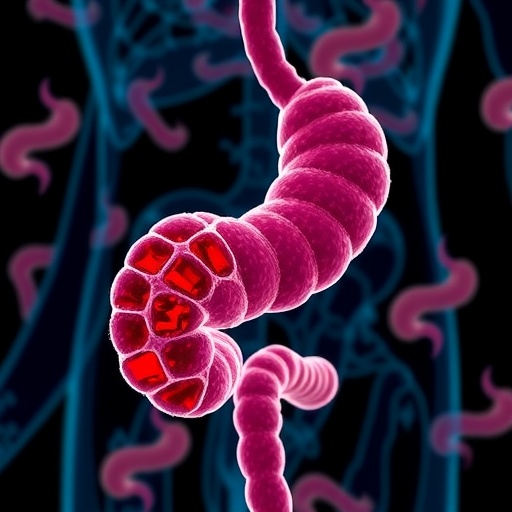
Pancreatic cancer is notoriously resistant to immunotherapy because many tumors develop an immune-suppressive, oxygen-poor “cold” microenvironment that blocks effective T cell infiltration and activation. A new preclinical study in Science Advances reports a way to convert this setting into one that favors anti-tumor immunity.
Researchers from the University of Chicago and collaborators describe BifidoSumIL-2, an engineered Bifidobacterium longum strain designed to deliver an IL-2–based immune signal directly within tumors. The strategy addresses two limitations of conventional IL-2: systemic toxicity and unintended activation of regulatory pathways that can dampen responses.
The core design uses SumIL-2, a modified IL-2 molecule engineered to more selectively stimulate cancer-fighting T cells while limiting regulatory T cell activation. Instead of administering the cytokine systemically, the team programs bacteria to act as localized “drug factories,” releasing SumIL-2 primarily where it is needed.
Bifidobacterium is an obligate anaerobe, meaning it preferentially survives and grows in low-oxygen regions. Because solid tumors often contain hypoxic niches, injected bacteria are cleared from oxygen-rich healthy tissues while becoming active inside tumors. This built-in targeting is central to the approach.
In animal models, BifidoSumIL-2 selectively accumulated in pancreatic tumors and suppressed tumor growth. Immune monitoring showed increased activity of CD8+ T cells and a reshaping of the tumor microenvironment toward a more immunostimulatory state.
The study also evaluated therapeutic synergy. When BifidoSumIL-2 was combined with chemotherapy, radiotherapy, or anti–PD-L1 immunotherapy, tumor control and survival improved beyond what each modality achieved alone. Such combination performance suggests the bacterial delivery system can “prime” immune responsiveness for multiple treatment contexts.
The work required engineering in a difficult organism. Because Bifidobacterium grows slowly and has fewer genetic tools than model bacteria, the investigators devoted substantial effort to building a reliable platform for production and release of the therapeutic protein.
While results are promising, the therapy has not yet been tested in people. Future studies will need to define long-term safety, assess potential off-target effects, quantify response durability, and determine whether oral delivery is feasible instead of injection.
More broadly, the findings add momentum to a “bugs as drugs” paradigm: using engineered probiotics to concentrate immune therapies within hard-to-treat tissues while reducing systemic exposure and side effects.
Cite Scienmag News
Nathaniel Bowman. (July 26, 2026). Engineered Gut Bacteria Target Pancreatic Cancer in Promising Drug-Like Study. Scienmag. https://scienmag.com/engineered-gut-bacteria-target-pancreatic-cancer-in-promising-drug-like-study/
Nathaniel Bowman. "Engineered Gut Bacteria Target Pancreatic Cancer in Promising Drug-Like Study." Scienmag, 26 July 2026, https://scienmag.com/engineered-gut-bacteria-target-pancreatic-cancer-in-promising-drug-like-study/. Accessed 4 September 2026.
Nathaniel Bowman. "Engineered Gut Bacteria Target Pancreatic Cancer in Promising Drug-Like Study." Scienmag. July 26, 2026. https://scienmag.com/engineered-gut-bacteria-target-pancreatic-cancer-in-promising-drug-like-study/


