

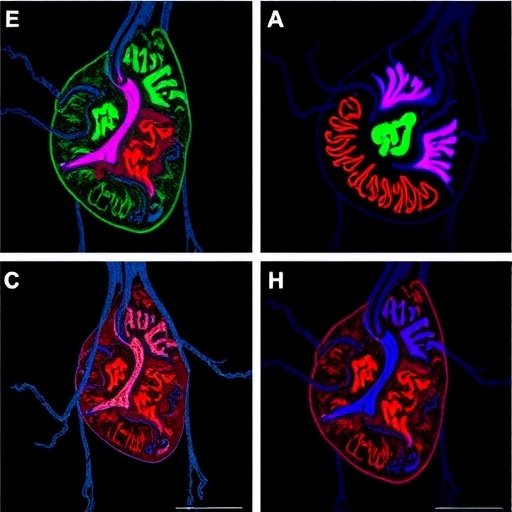
A recent correction published in Cell Death Discovery updates the record for a study examining how immune signaling shapes the heart’s response to mechanical stress. The original work focused on NLRP3-driven pyroptosis, a form of inflammatory cell death that can amplify tissue injury during pathological remodeling.
In mouse models of pressure overload, the researchers previously reported that activation of the NLRP3 inflammasome worsened cardiac outcomes, including hypertrophy, fibrotic remodeling, and declining cardiac function. Pyroptosis links intracellular danger sensing to inflammatory effector pathways, promoting cytokine release and accelerating damage beyond what hypertrophic signaling alone would cause.
The corrected publication also highlights the protective angle of irisin, a hormone-like myokine best known for exercise-associated signaling. Mechanistically, irisin was described as counteracting aspects of NLRP3-mediated inflammasome activity, thereby dampening pyroptotic pathways and reducing downstream inflammatory injury in stressed hearts.
While the detailed amendments are contained in the correction notice, the broader scientific narrative remains centered on the inflammasome–pyroptosis axis as a therapeutic target. This framing is increasingly influential because it treats heart failure not only as a consequence of overload and stress hormones, but also as an immunologically mediated remodeling process.
The study’s emphasis on NLRP3 provides a concrete molecular entry point for future interventions, especially for strategies aiming to reduce inflammasome activation, limit inflammatory cell death, and preserve tissue architecture. In parallel, irisin-based or irisin-mimetic approaches are attractive because they could combine metabolic signaling with anti-inflammatory effects.
For cardiology researchers, the updated citation underscores the importance of accurate attribution and documentation, particularly in fast-moving fields where pathway-level conclusions guide follow-up experiments and therapeutic development. Corrections are also a reminder that reproducibility and precise reporting are essential when linking molecular mechanisms to whole-organ phenotypes.
If future work clarifies the specific steps affected by irisin—such as inflammasome assembly, caspase activation, or cytokine maturation—this pathway could evolve from a mechanistic insight into a targeted therapeutic program.
Overall, the correction preserves the central theme: blocking NLRP3-driven pyroptosis may blunt pressure-overload cardiomyopathy, and irisin may offer a cardioprotective route worth deeper exploration.
Subject of Research: NLRP3-mediated pyroptosis in pressure overload–induced cardiac remodeling; cardioprotective role of irisin.
Article Title: Correction: NLRP3-mediated pyroptosis aggravates pressure overload-induced cardiac hypertrophy, fibrosis, and dysfunction in mice: cardioprotective role of irisin.
Article References: Yue, R., Zheng, Z., Luo, Y. et al. Correction: NLRP3-mediated pyroptosis aggravates pressure overload-induced cardiac hypertrophy, fibrosis, and dysfunction in mice: cardioprotective role of irisin. Cell Death Discovery 12, 309 (2026). https://doi.org/10.1038/s41420-026-03177-w
DOI: 10.1038/s41420-026-03177-w
Image Credits: AI Generated


