


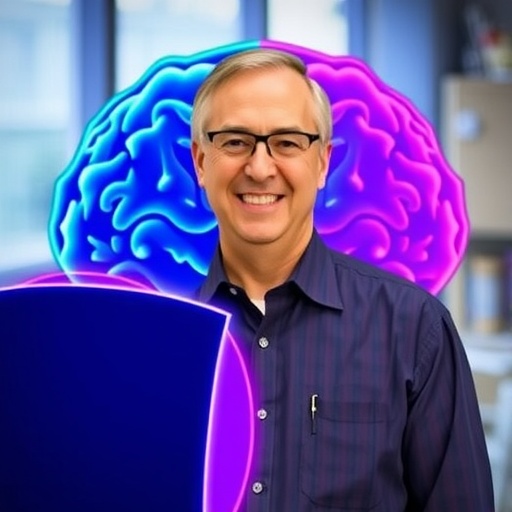
The University of Cincinnati (UC) and UC Health have unveiled the Center for Alzheimer’s and Neurodegenerative Diseases Research (CANDR), a multidisciplinary hub designed to connect laboratory discovery with bedside care and community education. The initiative aims to improve dementia prevention and treatment outcomes across Greater Cincinnati and beyond, using an integrated “learning health system” model that turns routine clinical data into faster, testable insights.
CANDR is grounded in major institutional support from the UC College of Medicine and UC Health, including dedicated research and clinical space, advanced imaging access, and dedicated neuropathology resources. Together, these assets enable researchers to probe disease mechanisms with multi-modal evidence, from brain imaging to tissue-based validation of neurodegenerative changes.
Philanthropic backing from the James J. and Joan A. Gardner Family Foundation and the L.I.F.E. Foundation accelerates early-career fellowships, pilot research, and scalable infrastructure for data-driven studies. A key feature is the center’s first-of-its-kind approach to learning from everyday healthcare encounters, improving how quickly findings can translate into care pathways.
Strategically, CANDR builds on UC’s Gardner Neuroscience Institute and its Memory Care and Brain Health Center. Faculty collaboration spans UC’s College of Medicine and the College of Nursing, organized into specialized research and clinical cores that coordinate imaging, neuropathology, translational studies, and patient-centered interventions.
At the center’s leadership, co-directors Hyacinth I. Hyacinth and Joseph P. Broderick emphasize prevention through vascular and environmental factors. Their goal is to reduce dementia risk by targeting treatable influences early—before cognitive decline becomes entrenched—shifting the emphasis from reactive management to proactive risk modification.
Broderick notes that vascular disease—such as stroke, small vessel disease, and their shared risk factors—strongly shapes brain aging. Because many drivers are modifiable, CANDR is positioned to intervene earlier and alter dementia trajectories at the regional level.
CANDR also follows the framework of the National Institute on Aging’s Alzheimer’s Disease Research Center model. While CANDR is beginning its path toward formal designation, today’s launch establishes a foundation for future network participation, including opportunities to share data and collaborate on large-scale studies.
Eight to ten use cases converge on a single aim: advance vascular-focused Alzheimer’s science, expand access to timely diagnosis and evidence-based care, accelerate clinical trial entry, and strengthen brain health education for clinicians and trainees.
Key elements include a Nutrition and Lifestyle Core to study how diet influences brain health, and the L.I.F.E. Brain Health Study—a longitudinal project enrolling 10,000 young adults aged 18–34 across Ohio, Northern Kentucky, and West Virginia to track brain health from early adulthood.
Cite Scienmag News
Cassandra Pierce. (July 14, 2026). New UC Center Advances Alzheimer’s and Neurodegenerative Disease Research. Scienmag. https://scienmag.com/new-uc-center-advances-alzheimers-and-neurodegenerative-disease-research/
Cassandra Pierce. "New UC Center Advances Alzheimer’s and Neurodegenerative Disease Research." Scienmag, 14 July 2026, https://scienmag.com/new-uc-center-advances-alzheimers-and-neurodegenerative-disease-research/. Accessed 4 September 2026.
Cassandra Pierce. "New UC Center Advances Alzheimer’s and Neurodegenerative Disease Research." Scienmag. July 14, 2026. https://scienmag.com/new-uc-center-advances-alzheimers-and-neurodegenerative-disease-research/


