


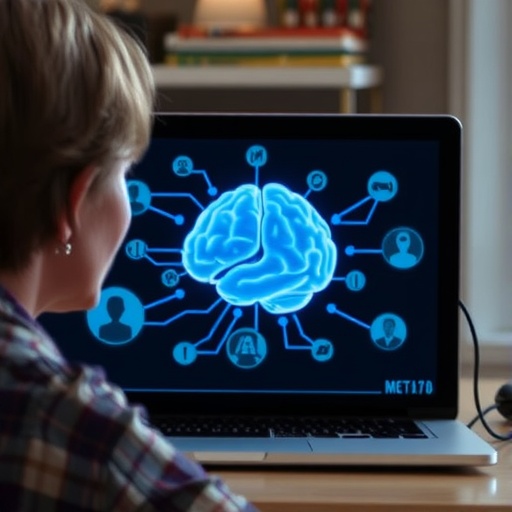
In a groundbreaking development poised to revolutionize dementia care, researchers have unveiled a sophisticated intervention that harnesses machine learning to support caregivers managing behavioural and psychological symptoms of dementia (BPSD). This innovative approach is articulated in a newly published protocol for a hybrid factorial SMART–MRT trial, marking a significant leap towards personalized and adaptive dementia care strategies.
At the core of this intervention lies the integration of advanced machine learning algorithms designed to monitor, predict, and tailor responses to the fluctuating and often challenging behavioural patterns exhibited by dementia patients. BPSD, which include symptoms such as agitation, depression, and hallucinations, profoundly impact both patients and their caregivers, often leading to heightened stress and decreased quality of life. Traditional interventions have struggled to dynamically adjust to the unpredictable nature of these symptoms, highlighting the need for a more responsive system.
The protocol delineates a novel trial design combining Sequential Multiple Assignment Randomized Trial (SMART) and Micro-Randomized Trial (MRT) methodologies. This hybrid framework permits a rigorous evaluation of adaptive interventions by systematically modifying treatment components based on real-time patient and caregiver feedback. Through such a design, the trial aims to identify the most effective sequences and dosing of therapeutic strategies, customizing support to individual caregiver-patient dyads.
Machine learning models in this study will analyze a multitude of data points, including behavioural observations, psychological assessments, and caregiver input, to generate precise intervention recommendations. By continuously learning from incoming data, these models strive to preempt symptom exacerbations, recommending timely coping mechanisms or professional consultations. This dynamic feedback loop represents a paradigm shift from static treatment plans to fluid, responsive care frameworks.
Moreover, the intervention targets caregiver empowerment by providing data-driven insights into symptom management, thus enhancing caregivers’ ability to anticipate and mitigate challenging behaviors. This can diminish caregiver burnout, a critical issue in dementia care, and promote better emotional and physical health outcomes for both parties involved.
The trial protocol further emphasizes scalability and real-world applicability. By leveraging mobile technologies and user-friendly interfaces, the intervention is designed to integrate seamlessly into daily routines, facilitating sustained engagement without imposing additional burdens. This pragmatic approach ensures that cutting-edge machine learning tools can be translated into accessible, impactful support systems.
If successful, this pioneering trial will set a precedent for using intelligent technologies in chronic disease management, illustrating the transformative potential of machine learning beyond diagnostics and into holistic care delivery. It underscores the emerging role of adaptive digital health solutions in addressing complex, multi-faceted medical challenges that require nuanced, individualized approaches.
As dementia prevalence continues to rise globally, innovations such as this could ease healthcare system pressures and radically improve the lived experience of millions worldwide. By marrying clinical insight with computational power, this research ushers in a new era of compassionate, evidence-based caregiving optimized through artificial intelligence.
Cheung, D.S.K., Kor, P.P.K., Chu, A.M.Y. et al. Machine learning-enabled behavioural and psychological symptoms of dementia management intervention for dementia caregivers: protocol for a hybrid factorial SMART–MRT trial. BMC Geriatr (2026). https://doi.org/10.1186/s12877-026-07894-w
Cite Scienmag News
Blake Davidson. (July 13, 2026). Machine Learning Supports Dementia Caregivers in Managing Behavioral Symptoms. Scienmag. https://scienmag.com/machine-learning-supports-dementia-caregivers-in-managing-behavioral-symptoms/
Blake Davidson. "Machine Learning Supports Dementia Caregivers in Managing Behavioral Symptoms." Scienmag, 13 July 2026, https://scienmag.com/machine-learning-supports-dementia-caregivers-in-managing-behavioral-symptoms/. Accessed 5 September 2026.
Blake Davidson. "Machine Learning Supports Dementia Caregivers in Managing Behavioral Symptoms." Scienmag. July 13, 2026. https://scienmag.com/machine-learning-supports-dementia-caregivers-in-managing-behavioral-symptoms/


