


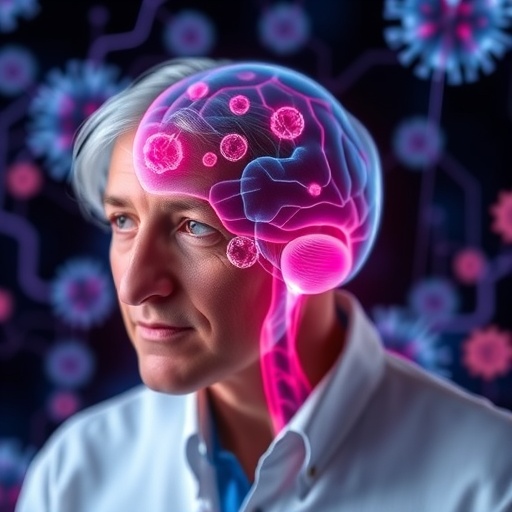
A groundbreaking clinical trial based in Lund, Sweden, has demonstrated for the first time that transplanting dopamine progenitor cells derived from human embryonic stem cells into the brains of Parkinson’s disease patients is both feasible and safe. The phase 1/2 open-label trial, published in Nature Medicine, involved eight participants and marks a significant advancement toward regenerative medicine approaches in neurodegenerative disorders.
Parkinson’s disease is characterized by the progressive loss of dopamine-producing neurons in the substantia nigra region of the brain, leading to the hallmark motor symptoms of bradykinesia, rigidity, tremor, and postural instability. Current pharmacological treatments aim to restore dopamine levels but their effectiveness wanes over time, often accompanied by adverse effects. This clinical study sought to address these limitations by replacing lost neurons through transplantation of stem-cell derived dopamine neuron progenitors.
During the trial, two dosing regimens of the cell product were implanted directly into the patients’ brains, followed by a year-long immunosuppressive regimen to prevent graft rejection. Encouragingly, no serious adverse events or graft-induced dyskinesias were observed throughout the 12-month follow-up. One participant died from an unrelated pulmonary infection, but seven completed the study with stable clinical status.
PET imaging was utilized to assess graft survival and integration, revealing dopamine activity at 6 and 12 months post-transplantation. Remarkably, six of the seven patients were able to significantly reduce their dopaminergic medication, suggesting early signs of functional benefit. While clinical improvements were modest within the trial period, these preliminary results establish critical safety and viability benchmarks for future investigations.
The STEM-PD program, which leverages decades of pioneering research in dopamine neuron transplantation and pluripotent stem cell technology from Lund University, represents Europe’s first pluripotent stem cell trial for Parkinson’s disease. It integrates cross-disciplinary expertise from stem cell biology, GMP manufacturing, and neurosurgery to drive this innovative therapy toward broader clinical application.
Roger Barker of the University of Cambridge, clinical PI of the study, emphasized the historic significance of this stem cell-based neuronal replacement strategy, highlighting its potential to transform treatment paradigms for Parkinson’s disease. The academic-industrial collaboration behind STEM-PD continues with the next phases of clinical development, now under the stewardship of Cellular Intelligence, which has secured FDA Fast Track Designation for the therapy.
While long-term follow-up is ongoing to further evaluate safety and efficacy, this landmark trial offers a promising glimpse into a future where Parkinson’s disease may be treated by repairing the brain’s dopamine circuitry rather than merely managing symptoms. The authors hope this work will catalyze renewed efforts to refine and optimize stem cell-derived neuron therapies and ultimately benefit the global Parkinson’s community.
—
Subject of Research: Stem cell-derived dopaminergic neuron transplantation for Parkinson’s disease
Article Title: Human embryonic stem cell-derived dopaminergic cells for Parkinson’s disease: a phase 1/2 open-label trial
News Publication Date: 9-Jul-2026
Web References: http://dx.doi.org/10.1038/s41591-026-04525-0
Keywords: Parkinson’s disease, stem cells, dopamine neurons, cell transplantation, regenerative medicine, clinical trial, pluripotent stem cells, neurodegeneration
Cite Scienmag News
Cassandra Pierce. (July 9, 2026). STEM-PD Reveals First Human Trial Results for Parkinson’s Cell Therapy. Scienmag. https://scienmag.com/stem-pd-reveals-first-human-trial-results-for-parkinsons-cell-therapy/
Cassandra Pierce. "STEM-PD Reveals First Human Trial Results for Parkinson’s Cell Therapy." Scienmag, 9 July 2026, https://scienmag.com/stem-pd-reveals-first-human-trial-results-for-parkinsons-cell-therapy/. Accessed 3 September 2026.
Cassandra Pierce. "STEM-PD Reveals First Human Trial Results for Parkinson’s Cell Therapy." Scienmag. July 9, 2026. https://scienmag.com/stem-pd-reveals-first-human-trial-results-for-parkinsons-cell-therapy/


