


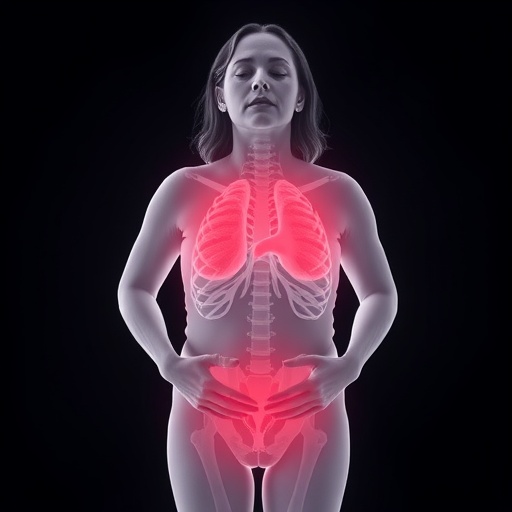
A groundbreaking new study published in the esteemed journal Menopause sheds fresh light on the complex symptomatology of menopause, relating specifically to the timing of its onset. The research intricately examined the prevalence and intensity of menopausal symptoms in women undergoing natural menopause at the typical age of approximately 51 years compared to those experiencing premature ovarian insufficiency (POI), a condition characterized by ovarian function loss before the age of 40. This investigation revealed nuanced insights that challenge previous assumptions about symptom severity in premature versus average-age menopause cases.
Premature ovarian insufficiency disrupts normal hormonal rhythms earlier in a woman’s reproductive timeline, precipitating menopause symptoms substantially ahead of the expected biological clock. This deviation is clinically significant due to its association with chronic health risks, including cardiovascular disease and osteoporosis, conditions exacerbated by the early decline in estrogen. Importantly, POI not only hastens the onset of menopause symptoms but also impacts psychological well-being and urogenital health, presenting profound implications for quality of life.
The research team meticulously analyzed data from over 500 participants, deploying sophisticated statistical methods to dissect symptom differences between those with average-age menopause and those with POI. Against conventional wisdom, the study found that while women experiencing menopause at the normative age reported a higher overall symptom burden, the psychological and urogenital domains exhibited equivalent symptom severity across both cohorts. This finding suggests that the mental health challenges and urogenital distress accompanying menopause are pervasive, irrespective of the chronological age at onset.
Urogenital symptoms, encompassing vaginal dryness, irritation, dyspareunia, urinary incontinence, and increased susceptibility to urinary tract infections, emerged as the most commonly reported complaints in both groups. These symptoms have historically been under-recognized despite their profound effect on sexual health and daily functioning. The parity in symptom severity observed underscores a critical need for heightened clinical vigilance and targeted therapeutic interventions focusing on sexual and urinary health in menopausal care protocols.
Psychological manifestations, including mood swings, depression, anxiety, memory lapses, and cognitive disturbances, exhibited similar prevalence and intensity in both women experiencing POI and those undergoing menopause at an average age. These mental health challenges often complicate the menopausal transition, deteriorating quality of life and posing barriers to adequate symptom management. The equivalence in psychological symptom burden across ages highlights the necessity for universal screening and support mechanisms to address these issues.
The broader implications of these findings extend beyond symptom management, prompting a reevaluation of clinical approaches to menopause. Traditionally, attention to menopause has been disproportionately allocated based on age, with premature menopause patients presumed to incur greater symptom and health risks. However, this study’s data advocate for a paradigm shift, recognizing that symptom severity, particularly in critical domains like psychological and urogenital health, transcends age categories and necessitates a universally rigorous management approach.
Moreover, the study’s exploration into overall symptom burden revealed that women experiencing menopause at the average age encountered more intense symptoms outside of psychological and urogenital complaints. These include vasomotor symptoms such as hot flashes and night sweats, as well as musculoskeletal discomfort including joint and muscle pain. The greater intensity of these systemic symptoms among average-age menopause sufferers suggests possible age-related variations in estrogen receptor sensitivity or neuroendocrine adaptations that warrant further mechanistic investigation.
This comprehensive analysis recalibrates our understanding of menopause by emphasizing that the timing of onset does not uniformly dictate symptomatology severity. Instead, the nuanced profile that emerges accentuates a domain-specific symptom distribution, particularly highlighting the universality of urogenital and psychological symptoms. Such insights demand that healthcare providers implement early, personalized, and holistic symptom assessment frameworks, ensuring that menopausal women of all ages receive optimized and efficacious care.
With menopause affecting a vast proportion of the global female population, the public health ramifications of these findings are considerable. The persistence of urogenital and psychological symptoms across age groups not only challenges healthcare systems to allocate resources effectively but also underscores a societal imperative to destigmatize menopause-related health concerns. Enhanced patient education and empowerment, paired with evidence-based therapeutic strategies, will be vital in mitigating the extensive burden quantified in this study.
The study’s authors advocate for intensified research focus to unravel the mechanistic underpinnings driving these symptom patterns. Investigating the molecular pathways linked to estrogen deficiency, neuropsychiatric sequelae, and urogenital atrophy across different menopausal ages could inspire novel pharmaceutical innovations and biomarker-driven diagnostic tools. Such advancements hold promise for tailored hormone replacement therapies and non-hormonal modalities designed to improve life quality for menopausal women universally.
Importantly, this study fills a longstanding gap in menopause research by directly comparing symptom burdens across disparate age groups undergoing similar physiological changes. Earlier work predominantly separated these populations or focused on singular symptom clusters, leaving an incomplete picture of the holistic menopausal experience. The robust sample size and rigorous methodology employed here elevate the reliability and applicability of the findings across clinical and demographic contexts.
As Dr. Stephanie Faubion, medical director for The Menopause Society, eloquently remarks, the findings “highlight the burden of menopause symptoms in young patients with premature ovarian insufficiency and underscore the importance of proactive, comprehensive symptom screening in all women experiencing perimenopause or menopause.” This clarion call underscores the urgency for medical practitioners to adopt inclusive diagnostic criteria and symptom management strategies, ensuring no woman navigating menopause is underserved.
In sum, this pivotal research redefines the landscape of menopause symptomatology with far-reaching clinical and scientific consequences. Its compelling evidence posits that while total symptom load may vary with menopausal timing, the most impactful psychological and urogenital symptoms stubbornly persist with equal severity regardless of age. By shifting clinical paradigms towards comprehensive, age-independent symptom recognition and treatment, this study paves the way for improved healthcare outcomes and enriched lives for millions of women worldwide.
News Publication Date: 24-Jun-2026
Web References:
https://menopause.org/wp-content/uploads/press-release/MENO-D-26-00028.pdf
http://dx.doi.org/10.1097/GME.0000000000000002815
Cite Scienmag News
Ophelia Keating. (June 24, 2026). Psychological and Urogenital Menopause Symptoms Consistent Regardless of Menopause Timing. Scienmag. https://scienmag.com/psychological-and-urogenital-menopause-symptoms-consistent-regardless-of-menopause-timing/
Ophelia Keating. "Psychological and Urogenital Menopause Symptoms Consistent Regardless of Menopause Timing." Scienmag, 24 June 2026, https://scienmag.com/psychological-and-urogenital-menopause-symptoms-consistent-regardless-of-menopause-timing/. Accessed 4 September 2026.
Ophelia Keating. "Psychological and Urogenital Menopause Symptoms Consistent Regardless of Menopause Timing." Scienmag. June 24, 2026. https://scienmag.com/psychological-and-urogenital-menopause-symptoms-consistent-regardless-of-menopause-timing/


