


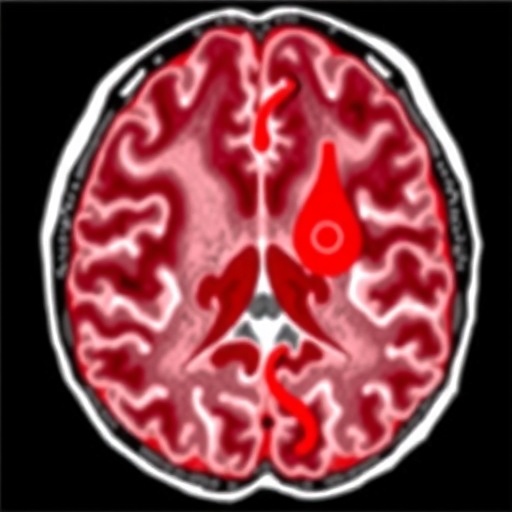
Intracerebral haemorrhage (ICH) remains one of the most devastating neurologic conditions, marked by high mortality and profound long-term disability. Despite significant advances in acute stroke care, the therapeutic landscape for ICH has stagnated, largely because existing models have failed to fully capture the complex neuroinflammatory processes that underlie secondary brain injury. Traditional paradigms predominantly treat neuroinflammation in a biphasic manner, characterized by an acute inflammatory surge followed by a chronic reparative phase. However, this temporal framework falls short in explaining persistent clinical trial disappointments and the inexorable progression toward chronic neurological deficits. Emerging research now suggests that the core pathology of ICH lies not merely in inflammation per se, but in the failure to resolve this inflammation through endogenous pro-resolution mechanisms—a failure that locks the brain into a neurotoxic, self-perpetuating milieu.
At the heart of this paradigm shift is the concept of a dysfunctional resolution checkpoint within the neuroinflammatory cascade. Researchers have identified molecular regulatory nodes, such as the ubiquitin-specific protease 11 (USP11) linked to the tumor suppressor p53, which govern whether the inflammation resolves or persists pathologically. In ICH, dysregulation of this USP11–p53 axis appears to undermine the brain’s natural ability to terminate inflammation, resulting in a chronic inflammatory state that exacerbates damage. This failure of timely inflammation resolution prolongs immune-mediated injury, promoting progressive white matter loss, maladaptive gliosis, and large-scale disruptions of functional brain networks crucial for motor, cognitive, and emotional integrity.
The implications of this new framework are profound, offering not only insights into disease mechanisms but also a roadmap for reimagining therapeutic strategies. Rather than broadly suppressing inflammation, which risks dampening essential immune functions and further complicating recovery, future treatments may need to precisely target the broken resolution pathways. Precision therapies—such as selective USP11 inhibitors—hold promise to reinstate pro-resolution programmes and encourage the endogenous repair processes that are stymied in current disease states. Coupled with biomarker-guided staging of immune activity, this approach seeks to tailor interventions to the specific inflammatory profile of individual patients, maximizing efficacy and minimizing collateral effects.
Delving into the mechanistic underpinnings, it is now understood that ICH-induced brain damage extends well beyond the initial hematoma and mass effect. Secondary injury evolves through an intricate interplay between resident microglia, infiltrating immune cells, and dysfunctional astrocytes, each orchestrated by dysregulated signals at molecular checkpoints. The USP11–p53 axis emerges as a master regulator within this network, influencing cell death pathways, phagocytic clearance of haemorrhagic debris, and cytokine production. The inability to properly downregulate inflammatory cytokines and to resolve microglial activation machinery sustains a chronic neuroinflammatory environment, with far-reaching consequences for neural circuit integrity.
In the post-ICH brain, white matter pathology becomes a hallmark of the unresolved inflammatory state. Chronic inflammation damages oligodendrocytes and myelin sheaths, leading to progressive demyelination and impaired axonal conduction. This white matter injury disrupts long-range connectivity essential for coordinated motor and cognitive function. Concurrently, aberrant astrocytic responses, termed inhibitory gliosis, create a hostile extracellular milieu that impedes axonal regeneration and plasticity. These pathologies collectively culminate in widespread network disconnection, reflected clinically in enduring and often worsening deficits in movement, cognition, and mood.
The clinical fallout of these molecular and cellular failures is now conceptualized as a unified syndrome—post-ICH sequelae. Motor weakness, cognitive decline, and affective disturbances are no longer viewed as isolated late complications but as manifestations of a continuous pathobiological process driven by unresolved inflammation. This concept reframes our understanding of post-stroke disability, emphasizing the necessity of chronic intervention strategies that address ongoing neuroimmune dysfunction rather than acute injury alone.
Current therapeutic efforts focused on global immunosuppression have largely failed to yield significant improvements in ICH outcomes. These failures highlight the limitations of generalized anti-inflammatory approaches, which may blunt necessary immune responses or miss critical windows for modulating pro-resolution pathways. Instead, targeted interventions addressing the molecular checkpoints responsible for resolution collapse could revolutionize treatment paradigms. Early-phase preclinical studies have demonstrated that inhibiting USP11 can restore p53-mediated regulatory control, reduce inflammatory cytokine levels, and promote the clearance of hemorrhagic debris with improved neurological recovery.
This emerging framework also challenges the prevailing dogma in CNS injury management, calling for a more nuanced understanding of immunity as a dynamic and stage-dependent process. Biomarker development is central to this vision, enabling clinicians to stratify patients according to their inflammatory and resolution status. These precision diagnostics would inform not only prognosis but also timing and choice of therapeutic agents aimed at reinstating effective inflammation resolution. This approach harnesses the biological complexity of stroke pathology rather than simplifying it, ultimately striving for personalized medicine in neurocritical care.
Importantly, the pathological mechanisms elucidated in ICH may have broader implications for other neurological disorders characterized by chronic neuroinflammation, such as traumatic brain injury, multiple sclerosis, and neurodegenerative diseases. The concept of failed resolution checkpoints could unify disparate fields and open avenues for cross-disciplinary therapeutic innovations. Understanding how USP11 and related molecules orchestrate inflammation resolution could inform novel drug targets with applicability beyond hemorrhagic stroke.
Despite its promise, the pro-resolution therapeutic axis remains predominantly supported by preclinical evidence, underscoring the urgent need for translational research to validate these findings in human patients. Clinical trials designed around immune staging and targeted pathway modulation will be crucial. As new pharmacologic agents targeting USP11 and associated pathways advance toward clinical testing, their safety, specificity, and efficacy must be rigorously evaluated in carefully phenotyped cohorts. Only through such precision medicine approaches can the field hope to overcome the monumental challenges that have long impeded progress in improving long-term outcomes after ICH.
The evolving understanding of neuroinflammation in intracerebral hemorrhage warrants a significant conceptual and clinical recalibration. Abandoning the simplistic acute-versus-chronic inflammatory model in favor of a resolution-centric framework shifts the therapeutic target from suppression to restoration. This may transform the management of ICH survivors, whose complex disabilities demand treatments that foster true neural repair rather than merely controlling inflammation. The integration of molecular neuroscience with clinical neurology sets the stage for a new era that could reshape the prognosis of this devastating form of stroke.
In sum, the failure to adequately resolve inflammation via dysfunctional pro-resolution checkpoints emerges as a fundamental driver of ongoing brain injury and neurological decline after ICH. This revelation redefines chronic sequelae as a predictable consequence of impaired immune homeostasis rather than random late complications. Moving forward, therapeutics designed to repair this resolution deficit—guided by sophisticated biomarkers and precision immune profiling—may hold the key to breaking the cycle of injury, enabling neural regeneration and functional recovery once deemed unattainable after hemorrhagic stroke.
Finally, the exploration of the USP11–p53 axis as a modulatory hub offers a concrete molecular target for drug development. This approach exemplifies how delineating the regulatory circuits controlling inflammation can unlock novel treatment avenues. Ongoing research promises to deepen our mechanistic insight and accelerate translation into impactful therapies. The continued synergy between basic science discoveries and clinical innovation will be essential to harnessing the full potential of pro-resolution strategies and improving the lives of millions affected by intracerebral hemorrhage worldwide.
Cite Scienmag News
Cassandra Pierce. (June 23, 2026). Inflammation Resolution Failure in Intracerebral Hemorrhage. Scienmag. https://scienmag.com/inflammation-resolution-failure-in-intracerebral-hemorrhage/
Cassandra Pierce. "Inflammation Resolution Failure in Intracerebral Hemorrhage." Scienmag, 23 June 2026, https://scienmag.com/inflammation-resolution-failure-in-intracerebral-hemorrhage/. Accessed 4 September 2026.
Cassandra Pierce. "Inflammation Resolution Failure in Intracerebral Hemorrhage." Scienmag. June 23, 2026. https://scienmag.com/inflammation-resolution-failure-in-intracerebral-hemorrhage/


