


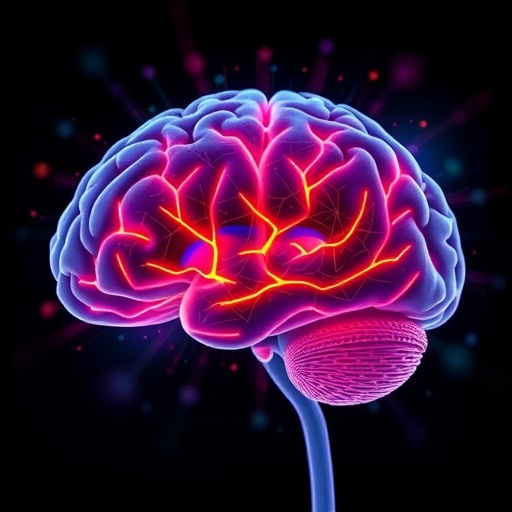
In a groundbreaking study published in Translational Psychiatry, researchers have unveiled novel insights into the distinct neurobiological pathways underpinning human stress responses. This pioneering work, led by Lipka and colleagues, dissects how the limbic system and prefrontal cortex separately modulate physiological and affective reactions to stress, shedding light on the intricate mechanisms that govern our ability to cope with adversity. Against the backdrop of rising global stress levels and mental health challenges, the findings have potentially transformative implications for personalized interventions and therapeutic strategies.
Stress, a fundamental biological response to perceived threats, triggers a cascade of neuroendocrine and affective changes pivotal for survival. Key among these is the release of cortisol, a glucocorticoid hormone orchestrating numerous systemic adjustments. However, individual variability in both cortisol secretion patterns and subjective emotional experiences remains poorly understood. This study addresses this gap by employing advanced neuroimaging combined with longitudinal biomarker assessments to map the divergent trajectories of stress responses.
Utilizing functional magnetic resonance imaging (fMRI), the team precisely quantified activity in limbic regions—primarily the amygdala and hippocampus—as well as in prefrontal areas known for executive control, including dorsolateral and ventromedial subregions. These neural data were correlated with salivary cortisol measurements and self-reported affective ratings tracked over multiple time points following acute psychosocial stress induction. This multimodal approach allowed for a fine-grained characterization of both immediate and sustained stress effects at the brain-hormone-behavior nexus.
Intriguingly, the results delineated a dissociation in how limbic and prefrontal circuits contribute to cortisol versus emotional trajectories. Elevated limbic activation predicted heightened and prolonged cortisol responses, signifying a direct contribution of these subcortical structures to hypothalamic-pituitary-adrenal axis regulation. Conversely, enhanced prefrontal engagement was associated with more adaptive affective profiles, characterized by rapid recovery and resilience against negative mood states post-stress. These findings underscore a dual pathway model where limbic regions predominantly drive physiological stress reactivity, while prefrontal areas mediate emotional regulation.
The study’s longitudinal design was critical in revealing the temporal dynamics of these associations. While cortisol levels followed a delayed peak and gradual normalization over several hours, subjective mood changes exhibited more immediate fluctuations closely tied to prefrontal activity patterns. This temporal dissociation suggests that targeting prefrontal mechanisms might optimize emotional coping even as the limbic-driven hormonal response unfolds. Such insights pave the way for therapeutics that selectively enhance top-down control systems to mitigate stress-induced affective disorders.
The implications for psychiatric conditions such as depression, anxiety, and PTSD are profound. Dysregulated stress responses and impaired cortical control have been implicated as core pathophysiological substrates in these disorders. By pinpointing the neural substrates forecasting individual variability in cortisol and emotional stress reactivity, this research enables stratification of patients based on neurobiological profiles. This precision medicine approach holds promise for tailoring interventions ranging from cognitive behavioral therapy to pharmacological agents targeting specific brain circuits.
Moreover, the study advances understanding of the limbic-prefrontal interplay in stress resilience. It challenges simplistic models that emphasize either hormonal or affective dimensions in isolation and instead advocates for integrated frameworks considering their interactive influences. Such holistic perspectives are essential for developing comprehensive models of stress pathogenesis and resilience.
Technically, the challenges inherent in capturing real-time stress responses were adeptly surmounted by innovative experimental paradigms. The use of acute psychosocial stress tasks combined with repeated sampling enhanced ecological validity and temporal resolution. Robust statistical modeling controlled for confounding variables including baseline cortisol, diurnal rhythms, and demographic factors, strengthening the robustness of conclusions.
Future directions suggested by the authors include exploring how genetic polymorphisms and environmental exposures modulate the limbic-prefrontal balance. Longitudinal cohort studies incorporating developmental perspectives could elucidate how these neural circuitry characteristics emerge and change across the lifespan under stress. Additionally, interventional trials testing modulatory techniques such as transcranial magnetic stimulation (TMS) of prefrontal regions may validate causal relationships and therapeutic potential.
In sum, this landmark investigation untangles complex neural mechanisms driving heterogeneous stress responses. By revealing distinct limbic versus prefrontal contributions to hormonal and affective trajectories, it opens exciting avenues for neuromodulatory interventions aimed at enhancing resilience and treating stress-related psychopathology. Given the pervasive burden of stress on modern society, such neuroscience-driven innovations bear urgent relevance.
As media and public health entities increasingly recognize stress as a critical determinant of well-being, communicating these mechanistic insights will be crucial. Emphasizing that stress responses are not uniform but arise from dynamic network interactions advances destigmatization and fosters proactive mental health management. The present findings portray a nuanced picture where biological and psychological systems intersect to shape human stress resilience.
Therefore, this work represents a significant leap toward precision psychiatry in stress and affect regulation. Its integration of cutting-edge neuroimaging, hormonal biometrics, and longitudinal affective assessment exemplifies the multidisciplinary approaches needed to unravel brain-body interactions underpinning mental health. Research in this vein promises to revolutionize diagnostic categorization and intervention development over the coming decades.
In conclusion, Lipka and colleagues’ study is a tour de force illuminating how distinct limbic and prefrontal mechanisms forecast divergent trajectories in cortisol secretion and affective states following acute stress. Beyond its academic merit, the research holds transformative translational potential to inform targeted therapies and resilience-building strategies in an increasingly stress-laden world. This paradigm shift heralds a more sophisticated understanding of stress biology with direct real-world implications.
Cite Scienmag News
Cassandra Pierce. (June 13, 2026). Brain Regions Shape Stress and Emotional Responses. Scienmag. https://scienmag.com/brain-regions-shape-stress-and-emotional-responses/
Cassandra Pierce. "Brain Regions Shape Stress and Emotional Responses." Scienmag, 13 June 2026, https://scienmag.com/brain-regions-shape-stress-and-emotional-responses/. Accessed 4 September 2026.
Cassandra Pierce. "Brain Regions Shape Stress and Emotional Responses." Scienmag. June 13, 2026. https://scienmag.com/brain-regions-shape-stress-and-emotional-responses/


