


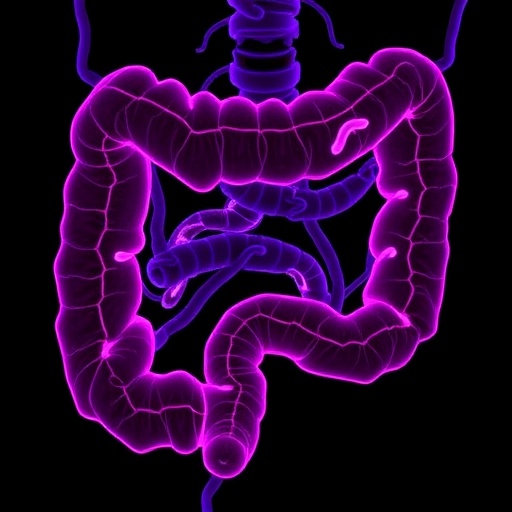
In the relentless battle against colorectal cancer, 5-fluorouracil (5-FU) has long stood as a cornerstone chemotherapeutic agent, significantly improving patient outcomes and survival rates. Yet, a pressing challenge persists in clinical oncology: the development of resistance to 5-FU during repetitive treatment cycles. This resistance not only undermines therapeutic efficacy but also leads to tumor recurrence and ultimately poorer patient prognoses. Despite its profound clinical ramifications, the molecular underpinnings of this drug resistance remain inadequately elucidated. Recent pioneering research led by Dr. Hyun-Soo Cho at the Korea Research Institute of Bioscience and Biotechnology (KRIBB), in collaboration with Kyungpook National University’s Professor Geun Heo, sheds critical light on this enigmatic resistance mechanism, unveiling a promising molecular target that may revolutionize therapeutic strategies in colorectal cancer.
The investigative team ventured into uncharted territory by subjecting colorectal cancer cells to chronic 5-FU exposure, thereby deriving subpopulations exhibiting acquired drug resistance. Through comprehensive molecular analyses, they identified a significant upregulation of euchromatic histone-lysine N-methyltransferase 2 (EHMT2), an epigenetic regulator implicated in chromatin remodeling and transcriptional repression, within these resistant cancer cells. EHMT2’s known role in gene silencing through histone methylation suggested that its heightened activity could be pivotal in reprogramming cellular pathways to withstand chemotherapeutic stress, prompting the researchers to probe this hypothesis further.
To validate the clinical relevance of EHMT2 upregulation, the study analyzed patient-derived datasets, revealing a stark correlation between elevated EHMT2 expression and diminished responsiveness to 5-FU treatment. Notably, patients exhibiting high EHMT2 activity suffered from significantly reduced overall survival, establishing EHMT2 not merely as a bystander but as a key driver of adverse clinical outcomes in colorectal cancer. This compelling association underscored the urgency of exploring EHMT2 as a therapeutic target capable of overcoming chemoresistance.
Delving into functional assays, the research team employed pharmacologic and genetic approaches to inhibit EHMT2 activity in resistant colorectal cancer cells. Remarkably, suppression of EHMT2 restored cellular sensitivity to 5-FU, manifesting through enhanced induction of apoptosis and marked attenuation of tumorigenic proliferation. Conversely, enforced overexpression of EHMT2 in treatment-naïve cells conferred augmented resistance to 5-FU, confirming EHMT2’s causative role in driving chemoresistance phenotypes. These bidirectional manipulations elegantly demonstrated the protein’s regulatory centrality in modulating therapeutic responses.
Expanding beyond in vitro models, the investigators harnessed patient-derived colorectal cancer organoids and in vivo animal models to mimic the complex tumor microenvironment and disease heterogeneity more faithfully. In these sophisticated systems, combinatorial treatment with 5-FU and an EHMT2-specific inhibitor yielded significant tumor growth suppression, even in organoids and xenografts previously refractory to standard chemotherapy. This translational evidence argued persuasively for a dual therapeutic paradigm that neutralizes resistance while preserving the cytotoxic potency of conventional drugs, potentially circumventing the lengthy and costly process of new drug discovery.
The mechanistic insights suggest that EHMT2 exerts its influence by orchestrating epigenetic modifications that regulate key cellular pathways governing the cell cycle and apoptotic machinery. By methylating histone substrates and repressing transcription of genes essential for cell death, EHMT2 facilitates survival of malignant cells under chemotherapeutic assault. Thus, targeting this epigenetic modulator reinstates the intrinsic apoptotic susceptibility of cancer cells, tipping the balance decisively towards tumor eradication. This epigenetic lens opens a new frontier in understanding and combating drug resistance, one that transcends genetic mutations and taps into reversible chromatin remodeling processes.
Importantly, the implications of this discovery may extend well beyond colorectal cancer. Given that 5-FU remains a staple in the treatment of various malignancies—including gastric, pancreatic, and breast cancers—therapeutic interventions aimed at EHMT2 may offer broad-spectrum benefits across diverse oncology landscapes. This cross-cancer applicability embodies a paradigm shift emphasizing the targeting of epigenetic regulators as a universal strategy to overcome chemoresistance, potentially enhancing the efficacy of existing regimens without resorting to novel cytotoxic agents.
The scientific community stands to gain from this research not only because it identifies EHMT2 as a druggable entity but also because it highlights the nuanced interplay between epigenetics and chemotherapy adaptation. Previous cancer treatments have largely focused on targeting mutated oncogenes or tumor suppressors; this study propels the paradigm towards manipulating chromatin state and gene expression patterns to sensitize tumors. Such an approach may mitigate off-target toxicity and resistance mechanisms tethered to genetic heterogeneity, offering a more refined and sustained therapeutic impact.
Dr. Hyun-Soo Cho underscored the transformative potential of this work: “Our findings illuminate how EHMT2, an epigenetic regulator, empowers colorectal cancer cells to survive chemotherapy. Targeting EHMT2 could fundamentally alter our approach to managing drug resistance, enhancing patient outcomes by revitalizing the efficacy of established treatments.” This visionary perspective galvanizes ongoing research into EHMT2 inhibitors and reinforces the strategic importance of integrating epigenetics into cancer therapy development pipelines.
As the field advances, several avenues invite further exploration, including delineating the specific epigenomic landscapes sculpted by EHMT2 during resistance acquisition, optimizing EHMT2 inhibitors for clinical use, and evaluating combinatory regimens alongside immune checkpoint blockade or other targeted therapies. Moreover, longitudinal patient studies and biomarker development will be critical to stratify patients likely to benefit from EHMT2-targeted interventions and monitor therapeutic response dynamically.
KRIBB’s contribution to this study exemplifies the synergy between cutting-edge biotechnology research and translational oncology, embodying South Korea’s leadership in life sciences innovation. Supported by major national research programs, this collaborative effort harnesses interdisciplinary expertise to address unmet clinical needs, fostering hope for substantially improved colorectal cancer management globally.
In summary, targeting EHMT2 unveils an actionable epigenetic vulnerability underlying 5-FU resistance in colorectal cancer. By reactivating apoptotic pathways and arresting unchecked proliferation, EHMT2 inhibition restores sensitivity to chemotherapy and suppresses tumor progression. This breakthrough not only presents a promising therapeutic avenue but also enriches our fundamental understanding of chemotherapy resistance, heralding a new era in personalized cancer treatment.
News Publication Date: 18-May-2026
Web References: DOI link
Cite Scienmag News
Nathaniel Bowman. (June 9, 2026). Scientists Identify Key Protein Driving Chemotherapy Resistance in Colorectal Cancer. Scienmag. https://scienmag.com/scientists-identify-key-protein-driving-chemotherapy-resistance-in-colorectal-cancer/
Nathaniel Bowman. "Scientists Identify Key Protein Driving Chemotherapy Resistance in Colorectal Cancer." Scienmag, 9 June 2026, https://scienmag.com/scientists-identify-key-protein-driving-chemotherapy-resistance-in-colorectal-cancer/. Accessed 4 September 2026.
Nathaniel Bowman. "Scientists Identify Key Protein Driving Chemotherapy Resistance in Colorectal Cancer." Scienmag. June 9, 2026. https://scienmag.com/scientists-identify-key-protein-driving-chemotherapy-resistance-in-colorectal-cancer/


