


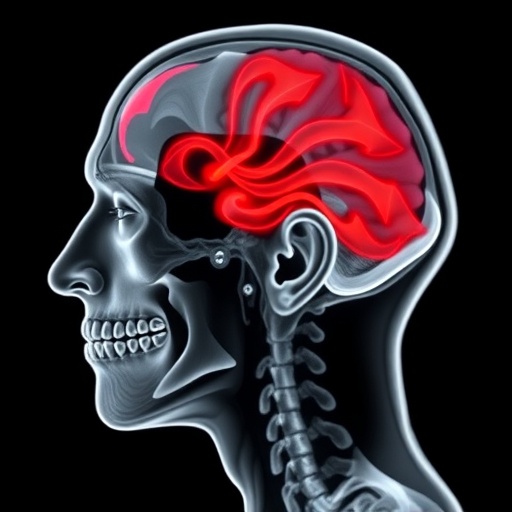
In a groundbreaking development poised to revolutionize neurological diagnostics, researchers have unveiled a sophisticated computational approach that leverages multi-modal data fusion for assessing Parkinson’s disease (PD) through transcranial sonography (TCS). This novel method, anchored by a stacked multi-classifier framework, promises to substantially enhance the accuracy and early detection of Parkinson’s, a neurodegenerative disorder that affects millions worldwide and currently poses considerable challenges in clinical evaluation and monitoring.
Parkinson’s disease, characterized primarily by the progressive loss of dopaminergic neurons in the substantia nigra region of the brain, manifests through motor symptoms such as tremors, rigidity, and bradykinesia, as well as a host of non-motor impairments. Conventional diagnostic techniques often rely on clinical judgment supplemented by imaging modalities such as magnetic resonance imaging (MRI) and dopamine transporter scans, both of which have notable limitations in resolution, cost, and accessibility. Enter transcranial sonography, a non-invasive ultrasonographic technique that shines light—literally—into cerebral structures by detecting hyperechogenicity patterns in the substantia nigra. However, standalone TCS has struggled with inter-observer variability and inconsistent diagnostic performance.
The research led by Kang, Wang, and Sun, as published in the prestigious npj Parkinson’s Disease journal, introduces a computational paradigm shift by integrating multiple streams of data derived from TCS through a sophisticated stacked multi-classifier model. Multi-modal data fusion involves synthesizing disparate forms of information—in this case, imaging features, clinical variables, and possibly biochemical markers—to generate a composite diagnostic signature more robust than any singular input source. This melding of data enriches interpretability while reducing false positives and negatives, a critical enhancement for a disease where early intervention can decisively alter patient outcomes.
Central to their approach is the stacked multi-classifier architecture, which essentially layers multiple machine learning classifiers to capture intricate feature representations across modalities. Unlike conventional single-layer classifiers that operate independently, the stacked model harnesses complementary strengths by sequentially learning and refining outputs from base models, culminating in a meta-classifier optimized for Parkinson’s detection. This hierarchical learning strategy is particularly adept at handling the high dimensionality and heterogeneity inherent to medical imaging data, where subtle textural differences and spatial attributes are paramount.
In practical terms, the researchers collected heterogeneous datasets encompassing TCS imaging, clinical assessments, and demographic parameters. Morphological features extracted from sonographic images, such as the extent and density of substantia nigra hyperechogenicity, were computationally quantified alongside patient-specific information including age, symptom duration, and medication status. Feeding this integrative dataset into the stacked multi-classifier enabled an algorithmic synthesis that not only increased diagnostic precision but also tailored assessments to individual patient profiles, a significant stride toward personalized medicine.
What sets this research apart is its meticulous cross-validation using multiple datasets to ensure the model’s robustness and generalizability across various clinical settings. Traditional machine learning approaches risk overfitting to a single cohort or imaging protocol. The stacked multi-classifier system mitigates these pitfalls by employing ensemble learning and rigorous out-of-sample testing, demonstrating consistent performance metrics such as accuracy, sensitivity, and specificity. Such rigor is indispensable in transitioning AI-driven diagnostics from research laboratories into frontline clinical environments.
From a neuroimaging standpoint, the integration of multi-modal data addresses one of the field’s enduring challenges—the inherent noise and variability present in ultrasonographic imaging of deep brain structures. TCS data is susceptible to attenuation, acoustic window limitations, and operator dependency. By combining imaging characteristics with non-imaging clinical data, the model buffers against these limitations, effectively amplifying signal fidelity and diagnostic confidence. This balanced fusion not only aids in early diagnosis but also holds promise for tracking disease progression and response to therapeutic interventions.
The implications of this study extend beyond the immediate realm of Parkinson’s disease. It exemplifies a broader trend towards leveraging advanced computational methodologies to synthesize complex biomedical data streams, thereby transcending the boundaries of traditional diagnostics. The stacked multi-classifier concept could be adapted to other neurodegenerative conditions such as Alzheimer’s disease, multiple sclerosis, and amyotrophic lateral sclerosis, where multimodal imaging and biochemical markers are increasingly employed.
Moreover, the accessibility of transcranial sonography as a relatively cost-effective and portable imaging method enhances the translational impact of this work. Unlike expensive and less available imaging modalities, TCS can be deployed in a range of healthcare settings, including underserved regions with limited resources. Coupled with AI-driven interpretive models, this democratizes access to high-quality neurological assessment and potentially facilitates population-scale screening programs.
Despite its promise, the approach is not without challenges. The interpretability of stacked multi-classifier models remains a focal point of ongoing research. Black-box AI models often face skepticism from clinicians due to the opaqueness of decision-making pathways. The authors address this by incorporating explainability techniques that elucidate key features driving classification, thus fostering trust and enabling clinicians to validate model outputs against clinical expertise.
Future directions envisioned by the research team include integrating longitudinal data to better capture the temporal dynamics of Parkinson’s disease progression, as well as exploring the synergy between transcranial sonography and emerging biochemical biomarkers such as alpha-synuclein assays. Enhancing the dataset diversity to include multi-ethnic populations and different disease phenotypes is also critical to improving model equity and applicability.
This pioneering study stands as a testament to the transformative potential of artificial intelligence applied to neurological imaging. By harnessing the collective strengths of multi-modal data fusion and stacked classification algorithms, the researchers carve a pathway towards more reliable, accessible, and nuanced Parkinson’s disease diagnostics. The healthcare community eagerly anticipates the clinical adoption of these methods, which could herald a new era in post-diagnostic patient care, enabling earlier intervention, precise treatment stratification, and ultimately improved quality of life for those affected by this debilitating disease.
In conclusion, the integration of stacked multi-classifiers in transcranial sonography-based Parkinson’s disease assessment marks a pivotal advance in medical imaging and machine learning. This study not only bolsters diagnostic accuracy but also exemplifies the ongoing convergence of technology and medicine aimed at unraveling the complexities of neurodegeneration. With continued interdisciplinary collaboration and validation, such computational models are poised to become indispensable tools that empower clinicians, inform treatment decisions, and inspire hope for millions battling Parkinson’s disease worldwide.
Cite Scienmag News
Cassandra Pierce. (May 28, 2026). Stacked Multi-Classifier Enhances Parkinson’s Sonography Assessment. Scienmag. https://scienmag.com/stacked-multi-classifier-enhances-parkinsons-sonography-assessment/
Cassandra Pierce. "Stacked Multi-Classifier Enhances Parkinson’s Sonography Assessment." Scienmag, 28 May 2026, https://scienmag.com/stacked-multi-classifier-enhances-parkinsons-sonography-assessment/. Accessed 4 September 2026.
Cassandra Pierce. "Stacked Multi-Classifier Enhances Parkinson’s Sonography Assessment." Scienmag. May 28, 2026. https://scienmag.com/stacked-multi-classifier-enhances-parkinsons-sonography-assessment/


