


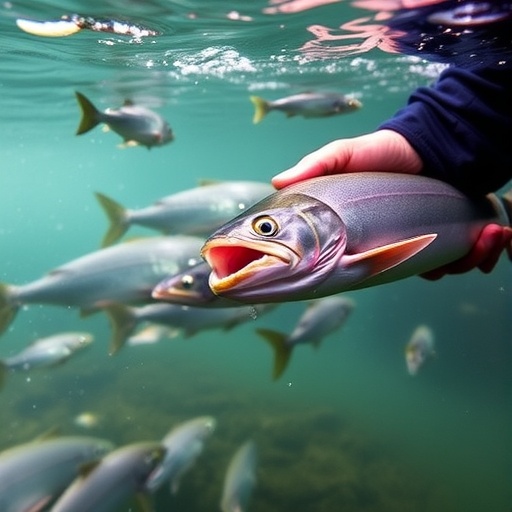
In a groundbreaking study led by Simon Fraser University, researchers have uncovered a complex and troubling mixture of organic contaminants in the Lower Fraser River estuary, a vital habitat for juvenile Chinook salmon. This investigation revealed that these young fish are exposed to—and bioaccumulating—a broad spectrum of chemical pollutants, ranging from pharmaceuticals and personal care products to industrial compounds, raising pressing concerns about the ecological health of one of Canada’s most iconic fish species and the broader aquatic ecosystem.
Extensive sampling from five distinct sites within the Lower Fraser River estuary provided a comprehensive picture of the chemical landscape impacting juvenile Chinook salmon. Notably, over 200 contaminants were detected in both the aquatic environment and within the tissues of the fish themselves. This array of pollutants included an unsettling variety of substances such as common pharmaceuticals—incorporating medications for blood pressure regulation, diabetes management, and mental health conditions—as well as caffeine and even illicit drugs like cocaine. The sheer diversity of these compounds underscores the pervasive influence of anthropogenic activities on watersheds supplying critical nursery habitats for salmon populations.
The research team, headed by environmental scientist Bonnie Lo, employed advanced analytical techniques to scrutinize water and tissue samples for nearly 600 individual contaminants encompassing nine distinct chemical classes. This rigorous approach not only cataloged an extensive chemical cocktail but also enabled the identification of substances that surpassed established ecological safety thresholds. Among these, sixteen contaminants were pinpointed as posing potential adverse effects on aquatic life, while an additional twenty-three were earmarked for ongoing monitoring due to their suspected ecological risk.
The significance of these findings extends beyond the juvenile Chinook themselves, as these salmon are a foundational prey species for the Endangered Southern Resident killer whales along the West Coast. Marine ecotoxicologist Tanya Brown highlights that Fraser River Chinook constitute up to 90 percent of this whale population’s diet during critical summer feeding periods. The decline of these salmon stocks, which have been recognized as threatened or endangered for over 85 percent of populations by Canadian wildlife authorities, amplifies the stakes of contamination in their primary growth habitats.
Pharmaceuticals and personal care products emerged as key contributors to the contamination profile, alongside pesticides, flame retardants, polycyclic aromatic hydrocarbons, and polychlorinated biphenyls (PCBs). While some of these contaminants, such as PCBs, are regulated due to their persistence and bioaccumulative characteristics, others remain under the radar, underscoring the need for vigilant environmental surveillance. The study stressed that many toxicity assessments are traditionally based on single chemical exposures, a methodology insufficient for understanding the synergistic effects of simultaneous exposure to a complex mixture of chemicals—a reality faced by these fish in the wild.
Compounding the threat of chemical pollutants, juvenile Chinook salmon in the Fraser River estuary confront additional stressors including elevated water temperatures and pathogen pressures, factors linked to climate change and habitat degradation. Salmon biologist Dave Scott emphasized the vulnerability of the Harrison River Chinook stock, which arrives in estuarine areas at diminutive sizes and relies heavily on prey availability and habitat quality during this critical life stage to ensure robust growth and eventual ocean survival. The introduction of contaminants during this window represents an additive burden impacting overall population resilience.
The implications of this research are profound, revealing a previously underappreciated dimension of cumulative stressors affecting salmon conservation efforts. Given the Chinook’s integral role within complex food webs, bioaccumulation of toxicants within their systems has the potential to cascade through ecosystems, impacting species ranging from invertebrates to apex predators, including humans who rely on fish as a dietary resource.
In response, the research team advocates for expanded monitoring programs that incorporate multi-contaminant exposure assessments, as well as enhanced regulatory frameworks to address emerging and understudied contaminants. Further experimental work is underway to elucidate the sub-lethal and long-term effects of these chemical mixtures on juvenile Chinook physiology, behavior, and survival, with the aim of informing targeted conservation strategies.
This study exemplifies the collaboration between academic institutions and governmental bodies, including Fisheries and Oceans Canada, Environment and Climate Change Canada, and conservation organizations like the Raincoast Conservation Foundation. Funded under the Government of Canada’s Whales Initiative, the research aligns with broader efforts to mitigate key threats to Southern Resident killer whales by ensuring the health and availability of their primary prey.
As the threats facing aquatic ecosystems grow increasingly multifaceted due to pollution, habitat loss, and climate change, studies such as this underscore the urgency of adopting integrated environmental management approaches. The evidence of pervasive contamination in juvenile Chinook salmon calls for immediate scientific, regulatory, and public action to safeguard the future of these remarkable fish and the species that depend on them.
News Publication Date: 6-Apr-2026
Web References: http://dx.doi.org/10.1093/etojnl/vgag078
References: Published in Environmental Toxicology and Chemistry
Cite Scienmag News
Drew Townsend. (May 20, 2026). Study Finds Young Fraser River Chinook Salmon Swimming in Chemical Mixture. Scienmag. https://scienmag.com/study-finds-young-fraser-river-chinook-salmon-swimming-in-chemical-mixture/
Drew Townsend. "Study Finds Young Fraser River Chinook Salmon Swimming in Chemical Mixture." Scienmag, 20 May 2026, https://scienmag.com/study-finds-young-fraser-river-chinook-salmon-swimming-in-chemical-mixture/. Accessed 4 September 2026.
Drew Townsend. "Study Finds Young Fraser River Chinook Salmon Swimming in Chemical Mixture." Scienmag. May 20, 2026. https://scienmag.com/study-finds-young-fraser-river-chinook-salmon-swimming-in-chemical-mixture/


