


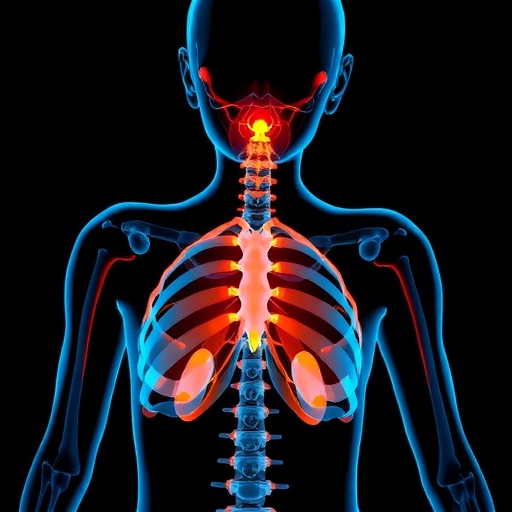
A groundbreaking prospective observational study conducted at Fayoum University Hospital in Egypt has uncovered a significant correlation between preoperative vitamin D levels and the experience of postoperative pain in breast cancer patients undergoing radical mastectomy. Published in the esteemed journal Regional Anesthesia & Pain Medicine, the research highlights that patients deficient in vitamin D encounter more intense pain and higher opioid consumption after surgery, illuminating potential clinical pathways for pain management optimization.
Vitamin D, long recognized for its vital role in bone health and calcium metabolism, has more recently been implicated in immune regulation and inflammatory processes. This study adds to the growing body of evidence suggesting that vitamin D modulates pain perception and immune response, potentially influencing recovery trajectories following major invasive procedures such as mastectomy. The inherent anti-inflammatory properties of vitamin D could mitigate the cascade of inflammatory mediators activated during surgical trauma, thereby impacting nociceptive signaling and pain intensity.
The investigation enrolled 184 women scheduled for unilateral modified radical mastectomy between September 2024 and April 2025, stratifying them evenly into two cohorts based on serum vitamin D concentrations. Half of the participants exhibited deficiency—defined as levels below 30 nmol/L—while the other half maintained sufficient levels above this threshold. Baseline characteristics such as mean age and clinical profiles were comparable across both groups, establishing a robust framework for comparative analysis of postoperative outcomes.
An essential feature of the study’s design was its double-blind nature concerning vitamin D status: healthcare providers administering perioperative care were not informed about patients’ vitamin D levels, eliminating bias in pain management strategies. Standardized analgesic protocols were uniformly implemented, including intraoperative fentanyl administration and postoperative paracetamol infusions, supplemented by patient-controlled tramadol delivery to empower individual pain control.
Quantitative assessments of pain were conducted at multiple intervals—immediately post-surgery, and then at 6, 12, 18, and 24 hours. Patients with insufficient vitamin D demonstrated a remarkable threefold increased likelihood of reporting moderate to severe pain at any given time point during the first postoperative day. Notably, none of the participants reported severe pain (scores above 7 on a 0–10 scale), indicating that the vitamin D deficiency predominantly influenced moderate pain levels, which are nonetheless clinically meaningful in the context of recovery and quality of life.
Pharmacological analyses revealed that vitamin D deficient patients required approximately 8 micrograms more fentanyl during surgery, a modest increase but statistically noteworthy. More strikingly, postoperative use of tramadol soared by an average of 112 mg in deficient participants compared to their sufficient counterparts. This disparity underscores a tangible effect of vitamin D status on opioid dependency and consumption—a critical consideration given the well-documented adverse effects and addiction risks associated with these potent analgesics.
The ramifications of increased opioid use were mirrored in the side-effect profile: nausea was significantly more prevalent among vitamin D deficient patients, while vomiting, although infrequent and not statistically significant, occurred exclusively in this group. Sedation scores and hospitalization duration were also monitored, with nuanced trends warranting further inquiry into vitamin D’s broader impact on postoperative recovery metrics.
Despite its methodological rigor, the study acknowledges intrinsic limitations. Its single-center observational design precludes causal inference and demands cautious interpretation of associations. Moreover, the absence of assessments for inflammatory biomarkers leaves mechanistic hypotheses about vitamin D’s modulatory role in pain somewhat speculative. The lack of data on psychosocial factors such as anxiety, depression, tumor staging, concurrent therapies, and preoperative sleep disturbances further constrains the comprehensiveness of the findings.
Nevertheless, the evidence presented compellingly advocates for a reevaluation of perioperative care in breast cancer surgery candidates. Preoperative identification and correction of vitamin D deficiency could serve as a feasible, low-risk intervention to attenuate postoperative pain and curb opioid requirements. This has profound implications not only for patient comfort and satisfaction but also for public health efforts aimed at mitigating opioid overprescription and dependency.
The study’s authors emphasize that their findings do not establish a direct causal pathway but lay essential groundwork for future randomized controlled trials. Such trials could rigorously test the efficacy of vitamin D supplementation protocols to substantiate clinical guidelines and transform breast cancer surgical care paradigms. Until then, clinicians might consider routine vitamin D screening as part of preoperative assessment, particularly in populations with a high prevalence of deficiency.
In a broader scientific context, this study underscores the multifaceted role of micronutrients in modulating nociception and systemic inflammatory responses. It sheds light on the intricate interplay between endocrine, immune, and nervous systems in postoperative recovery, presenting vitamin D as a promising biomolecular target for enhancing analgesic regimens.
As breast cancer remains a leading cause of morbidity worldwide, optimizing all facets of treatment—including pain management—is paramount. This research invites a paradigm shift, promoting integrative approaches that transcend conventional pharmacology to encompass nutritional and metabolic status in patient care algorithms.
Ultimately, the intersection of vitamin D physiology and pain management represents an exciting frontier in both oncological surgery and anesthetic practice. This study’s revelations catalyze further exploration into tailored, patient-centric therapies that harness the body’s biochemical milieu to improve surgical outcomes and reduce reliance on opioids.
News Publication Date: 19-May-2026
Web References: 10.1136/rapm-2025-107495
Cite Scienmag News
Nathaniel Bowman. (May 19, 2026). Vitamin D Deficiency Associated with Increased Postoperative Pain in Breast Cancer Patients. Scienmag. https://scienmag.com/vitamin-d-deficiency-associated-with-increased-postoperative-pain-in-breast-cancer-patients/
Nathaniel Bowman. "Vitamin D Deficiency Associated with Increased Postoperative Pain in Breast Cancer Patients." Scienmag, 19 May 2026, https://scienmag.com/vitamin-d-deficiency-associated-with-increased-postoperative-pain-in-breast-cancer-patients/. Accessed 4 September 2026.
Nathaniel Bowman. "Vitamin D Deficiency Associated with Increased Postoperative Pain in Breast Cancer Patients." Scienmag. May 19, 2026. https://scienmag.com/vitamin-d-deficiency-associated-with-increased-postoperative-pain-in-breast-cancer-patients/


