


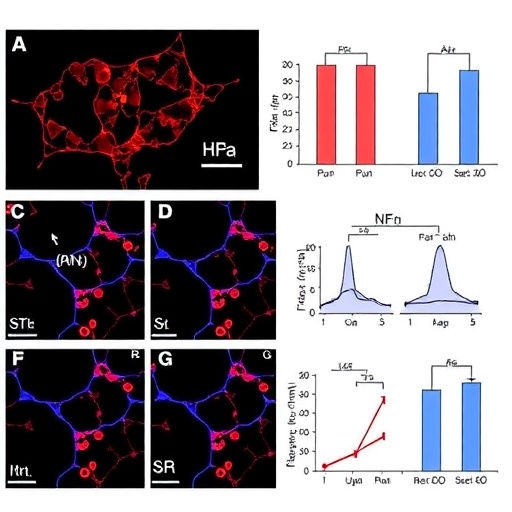
In a groundbreaking study published in Nature Communications, researchers have unveiled a surprising mechanism by which soluble uric acid modulates the immune response during sepsis. This discovery not only challenges previous conceptions about uric acid’s role in inflammation but opens new avenues for therapeutic interventions targeting neutrophil function in life-threatening infections. As sepsis remains a leading cause of mortality worldwide, understanding the molecular interplay between metabolic byproducts and immune defenses is crucial for developing effective treatments.
Sepsis, a complex and often deadly syndrome triggered by an overwhelming immune response to infection, involves numerous cellular actors, with neutrophils playing a critical frontline role. These white blood cells are essential in containing and eliminating invading pathogens through various mechanisms, including phagocytosis, release of antimicrobial peptides, and formation of neutrophil extracellular traps (NETs). However, dysregulated neutrophil activity can contribute to tissue damage and exacerbate disease progression. The investigation by Li, Anders, Flora, and colleagues provides compelling evidence that soluble uric acid directly interferes with neutrophil-mediated host defenses during sepsis.
Uric acid, a metabolic end-product of purine degradation, is traditionally viewed as a double-edged sword in human physiology. While it is acknowledged as a key antioxidant in the bloodstream, elevated uric acid levels are also associated with gout and cardiovascular diseases. This study sheds new light on the immunomodulatory aspects of uric acid, demonstrating that its soluble form dampens neutrophil functions critical for pathogen clearance. Using advanced in vivo and in vitro models, the researchers delineated the cellular pathways impacted by soluble uric acid, revealing previously unrecognized inhibitory effects on neutrophil antimicrobial responses.
One of the pivotal findings of the study was the molecular mechanism by which soluble uric acid influences neutrophil activity. The authors showed that uric acid interferes with intracellular signaling cascades that regulate neutrophil activation and reactive oxygen species (ROS) production. ROS are vital bactericidal agents generated during the oxidative burst, and their suppression compromises neutrophils’ ability to kill invading microbes effectively. By inhibiting key phosphorylation events in signaling intermediates, soluble uric acid effectively blunts neutrophil responsiveness, thereby attenuating anti-infective immunity during the critical early stages of sepsis.
Extensive experimental data were obtained by examining sepsis models in genetically modified mice that allowed close monitoring of neutrophil dynamics within infected tissues. The presence of elevated soluble uric acid correlated with diminished neutrophil infiltration and reduced microbial clearance, resulting in worsened clinical outcomes. These results were further corroborated by assays on human neutrophils exposed to uric acid in controlled laboratory conditions, confirming the translational relevance of the findings. The ability to suppress neutrophil activation suggests that uric acid acts as an endogenous immunosuppressive agent in sepsis.
Importantly, the study highlights that the inhibitory effects of soluble uric acid are not mediated by direct cytotoxicity to neutrophils, but rather through modulation of their functional programming. This nuance underscores a sophisticated regulatory role for uric acid in immune homeostasis, potentially serving as a feedback mechanism to prevent excessive inflammation while simultaneously impairing pathogen clearance. Such a delicate balance may, however, be detrimental during severe systemic infections like sepsis that rely heavily on robust neutrophil responses.
Another remarkable aspect of this research is the identification of specific receptor-mediated pathways involved in the uric acid-neutrophil interaction. The authors implicated the involvement of purinergic receptors, which are known to respond to extracellular nucleotides and metabolites. By antagonizing these receptors or disrupting uric acid binding, it may be feasible to restore neutrophil competence and improve sepsis outcomes. This revelation provides a strategic target for drug development aimed at boosting innate immunity without provoking harmful hyperinflammation.
The clinical implications of these findings are profound. Elevated serum uric acid levels have long been observed in septic patients, but their pathological significance was unclear. This new evidence positions uric acid not just as a biomarker but as an active player influencing sepsis progression. Therapeutic strategies could now focus on modulating uric acid concentrations or blocking its suppressive interactions with neutrophils to enhance host defense, offering hope for reducing sepsis-related mortality that remains alarmingly high despite advances in critical care.
Additionally, the study offers insights into the metabolic crosstalk between host cells and pathogens. Uric acid, produced abundantly during cellular stress and death, may inadvertently undermine immune efficacy by creating a microenvironment hostile to neutrophil function. This paradoxical role exemplifies how metabolic disturbances in sepsis can perpetuate immune dysfunction, highlighting metabolism as a crucial axis in infectious disease pathophysiology. Targeting metabolic pathways alongside immune checkpoints could thus represent a holistic approach for improving patient prognosis.
Moreover, the work prompts a reevaluation of uric acid-lowering interventions currently used for gout and other hyperuricemia-related disorders. While these therapies aim to reduce crystal formation and inflammation, their potential impact on immune competence during infections should be carefully considered. This study suggests that manipulating uric acid levels could bear unintended consequences on host defense mechanisms, necessitating more nuanced therapeutic designs that balance immune modulation and metabolic control.
From a technological perspective, the researchers employed state-of-the-art imaging and multi-omics approaches to dissect the neutrophil response in unprecedented detail. Single-cell RNA sequencing, coupled with proteomic profiling, revealed shifts in gene expression and protein networks indicative of immunosuppression induced by soluble uric acid. These comprehensive datasets provide a valuable resource for the scientific community seeking to understand immune dysfunction in sepsis and related inflammatory conditions, potentially spawning diverse downstream investigations.
Further investigations are warranted to explore whether uric acid’s immunosuppressive effects extend to other immune cell types involved in sepsis, such as macrophages and dendritic cells. Additionally, longitudinal studies in septic patients monitoring uric acid dynamics in conjunction with immune parameters could validate the clinical significance of these discoveries. Integrating these findings with emerging knowledge about immune-metabolic interfaces promises to reshape sepsis research and treatment paradigms dramatically.
In conclusion, this seminal study elucidates a novel inhibitory role for soluble uric acid in neutrophil-mediated host defense during sepsis, revealing critical insights into the complex immunometabolic landscape of this devastating syndrome. By uncovering how a common metabolic molecule can subvert essential immune functions, it opens transformative possibilities for therapeutic innovation aimed at restoring immune balance without exacerbating inflammation. As the scientific community continues to unravel sepsis’s multifaceted nature, such discoveries pave the way toward more effective interventions that could save millions of lives worldwide.
Cite Scienmag News
Kristina Jarvis. (May 19, 2026). Soluble Uric Acid Impairs Neutrophil Defense in Sepsis. Scienmag. https://scienmag.com/soluble-uric-acid-impairs-neutrophil-defense-in-sepsis/
Kristina Jarvis. "Soluble Uric Acid Impairs Neutrophil Defense in Sepsis." Scienmag, 19 May 2026, https://scienmag.com/soluble-uric-acid-impairs-neutrophil-defense-in-sepsis/. Accessed 4 September 2026.
Kristina Jarvis. "Soluble Uric Acid Impairs Neutrophil Defense in Sepsis." Scienmag. May 19, 2026. https://scienmag.com/soluble-uric-acid-impairs-neutrophil-defense-in-sepsis/


