


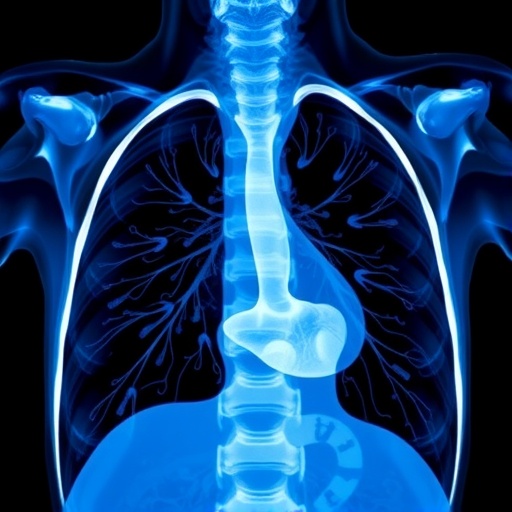
A groundbreaking study recently published in Pediatric Research presents compelling evidence for the therapeutic potential of dimethyl fumarate in mitigating bronchopulmonary dysplasia (BPD), a severe lung condition predominantly affecting premature infants. This research not only underscores a novel pharmacological intervention but also elucidates the intricate cellular and molecular mechanisms underpinning lung injury and repair in neonatal models.
Bronchopulmonary dysplasia remains a formidable challenge in neonatology, characterized by disrupted alveolar development, chronic inflammation, and oxidative stress within the immature lung. Premature infants requiring mechanical ventilation and oxygen therapy are particularly vulnerable, as these life-saving interventions paradoxically contribute to the pathogenesis of BPD. Despite extensive research, effective therapies that can prevent or reverse BPD have remained elusive, necessitating innovative approaches grounded in modern molecular medicine.
The investigative team led by F. Graumuller employed experimental models mimicking the clinical features of BPD, highlighting hallmark histopathological changes such as alveolar simplification, fibrosis, and impaired vascular growth. Their approach centered on evaluating dimethyl fumarate (DMF), a known activator of the nuclear factor erythroid 2–related factor 2 (Nrf2) signaling pathway, which orchestrates cellular antioxidant responses. DMF, already clinically approved for multiple sclerosis and psoriasis, has shown promise due to its potent anti-inflammatory and cytoprotective properties.
In their meticulously designed experiments, the researchers exposed neonatal models to hyperoxic conditions replicating the oxygen toxicity experienced by preterm infants. Subsequently, they administered DMF to assess its impact on lung architecture, inflammatory cytokine profiles, and oxidative stress markers. The findings reveal a remarkable attenuation of BPD phenotypes following DMF treatment, including notable preservation of alveolar number and septal thickness, which are critical determinants of effective pulmonary function.
Underlying these morphological improvements, the study identifies a significant reduction in pro-inflammatory mediators such as interleukin-6 and tumor necrosis factor-alpha, concomitant with enhanced expression of antioxidant enzymes regulated by Nrf2 activation. This dual modulatory effect not only dampens injurious inflammation but also promotes an environment conducive to tissue repair and regeneration, positioning DMF as a multifaceted agent capable of addressing the complex pathophysiology of BPD.
Further mechanistic insights delineate how DMF modulates macrophage polarization, shifting the balance from a pro-inflammatory M1 phenotype towards a reparative M2 state. This immunological reprogramming is crucial in resolving lung inflammation and fostering angiogenesis, underlying healthier alveolar function. The study’s use of immunohistochemistry and gene expression analyses robustly supports these conclusions, establishing a link between DMF administration and enhanced lung resilience against oxidative insults.
Beyond cellular phenomena, the research demonstrates functional benefits through improved pulmonary compliance and diminished airway resistance in DMF-treated subjects, reinforcing the translational potential of this therapeutic strategy. These physiological parameters are reflective of enhanced lung mechanics, which are often severely compromised in infants suffering from BPD, making these findings both clinically relevant and promising.
Of paramount importance is the safety profile of DMF elucidated in this experimental context. The authors report no discernible adverse effects on growth or general health, alleviating concerns about toxicity and opening avenues for future clinical investigations. Given the delicate nature of neonatal patients and the limited current pharmacotherapy options, such a safety benchmark is particularly encouraging.
The study also contextualizes these findings within the broader landscape of BPD research, contrasting DMF’s mode of action with existing therapeutic candidates, including corticosteroids and antioxidants, which have shown mixed results partly due to systemic side effects or limited efficacy. By targeting endogenous cellular defense mechanisms specifically through Nrf2, DMF offers a more tailored approach with potentially reduced complications.
Expanding the horizon of neonatal care, this research advocates for early intervention strategies employing pharmacological activators of redox homeostasis, asserting that timing of therapy critically influences outcomes. The neonatal period represents a window of heightened vulnerability and plasticity, during which modulating inflammatory and oxidative pathways can decisively alter disease trajectory.
While the current data derive from preclinical models, the translational trajectory appears robust considering DMF’s established clinical use in other contexts. The authors emphasize the necessity for controlled clinical trials to validate dosing regimens, pharmacokinetics, and long-term outcomes in human neonates, acknowledging the complexities of neonatal pharmacotherapy but also the dire need for innovative solutions.
Moreover, the elucidation of DMF’s impact on lung vascularization opens intriguing prospects for addressing pulmonary hypertension, a common comorbidity in BPD patients. By facilitating angiogenic repair, DMF could indirectly ameliorate vascular resistance and right heart strain, thereby contributing to holistic pulmonary health beyond structural repair.
This research sets a precedent for integrating molecular medicine with developmental biology, demonstrating how targeted modulation of stress response pathways can yield substantive improvements in neonatal lung disease. It serves as a blueprint for future endeavors aiming to harness endogenous protective mechanisms in treating complex, multifactorial conditions such as BPD.
Ultimately, the study by Graumuller et al. advances the field of neonatology by offering a beacon of hope in the quest to combat bronchopulmonary dysplasia. Their data illuminate how repurposing established drugs like dimethyl fumarate can expedite therapeutic breakthroughs, potentially transforming clinical practices and significantly improving long-term outcomes for the most vulnerable patients.
As BPD continues to impact thousands of premature infants worldwide, this innovative research underscores the critical importance of ongoing investment in mechanistic studies and drug development. The integration of such novel pharmacological approaches promises to redefine standard care paradigms, potentially preventing lifelong respiratory morbidities and enhancing quality of life.
The future of neonatal pulmonary care may well hinge on such neuroprotective and antioxidative strategies, as exemplified by this pioneering work. With continued research and clinical validation, dimethyl fumarate could emerge as a cornerstone treatment, heralding a new era of precision medicine in managing bronchopulmonary dysplasia.
Cite Scienmag News
Harold Sullivan. (May 18, 2026). Dimethyl Fumarate Eases Experimental Bronchopulmonary Dysplasia. Scienmag. https://scienmag.com/dimethyl-fumarate-eases-experimental-bronchopulmonary-dysplasia/
Harold Sullivan. "Dimethyl Fumarate Eases Experimental Bronchopulmonary Dysplasia." Scienmag, 18 May 2026, https://scienmag.com/dimethyl-fumarate-eases-experimental-bronchopulmonary-dysplasia/. Accessed 4 September 2026.
Harold Sullivan. "Dimethyl Fumarate Eases Experimental Bronchopulmonary Dysplasia." Scienmag. May 18, 2026. https://scienmag.com/dimethyl-fumarate-eases-experimental-bronchopulmonary-dysplasia/


