


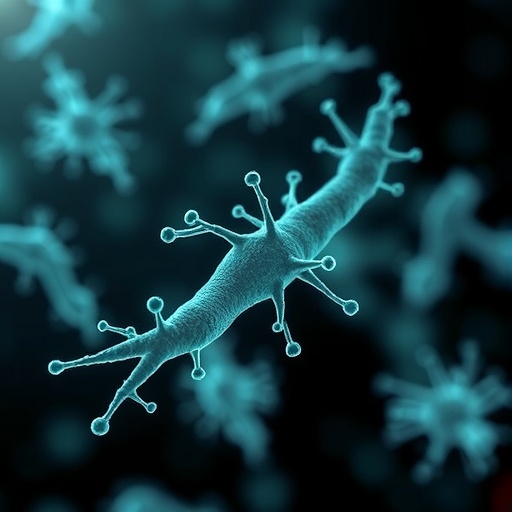
In a compelling new review published in Cancer Biology & Medicine, researchers from Nankai University, the University of Utah, and Tianjin Medical University Cancer Institute & Hospital present a transformative hypothesis poised to reshape the understanding and management of some of the hardest-to-treat malignancies. Central to their argument is the provocative idea that certain tumors, historically defined by poor prognosis and resistance to therapy, share a critical and underappreciated commonality: the presence of intratumoral bacteria. This paradigm challenges long-held views and offers a tangible, near-term strategy for improving cancer treatment outcomes where other approaches have faltered.
The presence of bacteria within tumor microenvironments—once considered an anomaly or contamination—is now gaining robust clinical and experimental validation. Intratumoral microbiota appears particularly prevalent in cancers such as pancreatic ductal adenocarcinoma, colorectal carcinoma, and biliary tract malignancies, all notorious for aggressive behavior and poor response to standard treatments. These bacteria may infiltrate tumors via multiple routes, including breaches in mucosal barriers in organs like the colon and lungs, direct tissue invasion, or through hematogenous spread from distant sites such as the oral cavity or gut.
Once nestled within tumors, these microbial communities engage in complex cross-talk with cancer cells, stromal elements, and immune constituents. This interaction exerts multifaceted influences: bacterial secretions can induce genomic instability by generating reactive oxygen species and DNA-damaging toxins. Such genetic insults engender mutations and heterogeneity, thwarting the efficacy of targeted therapies. Moreover, microbial metabolites have emerged as potent epigenetic modulators capable of remodeling chromatin structures and gene expression without altering DNA sequences, thereby subtly steering tumor cell phenotypes toward malignant progression.
The inflammatory milieu of tumors also appears shaped by intratumoral bacteria. Through activation of innate immune receptors—such as Toll-like receptors—these microbes trigger pro-inflammatory signaling networks like NF-κB, fostering a chronic state of tumor-promoting inflammation. Paradoxically, this persistent inflammation recruits immunosuppressive immune cell subsets and subverts the anti-tumor immune response, creating an immunologically “cold” microenvironment where malignant cells can evade immune destruction. This immune modulation further complicates the landscape of therapeutic resistance and metastatic potential.
Metabolically, intratumoral bacteria may recalibrate nutrient availability and metabolic pathways within the tumor niche. By influencing tumor cell energy metabolism and facilitating cellular adaptations to hypoxic and nutrient-poor conditions, bacteria help sustain tumor growth and enable invasion. Additionally, bacterial signaling appears to enhance epithelial–mesenchymal transition and cytoskeletal rearrangements, critical steps that promote tumor motility and metastasis.
Despite these profound insights, clinical management has yet to capitalize on the therapeutic potential uncovered by intratumoral microbiota research. Traditional chemotherapeutics often fail in poor prognosis outcome (PPO) tumors due to multifactorial barriers including fibrosis, hypoxia, and drug resistance, but emerging evidence implicates bacterial presence as a critical but underrecognized factor. Nanomedicine approaches, specifically nanoparticle-based drug delivery systems designed to penetrate tumors more effectively, have shown limited clinical success despite encouraging preclinical data. This discrepancy may stem from fundamental differences in tumor architecture and microbiota composition between animal models and human patients, questioning the universality of phenomena like the enhanced permeability and retention (EPR) effect.
The authors propose a timely and pragmatic shift in treatment paradigms: treating PPO tumors presumptively as bacteria-infected entities from the outset, using regimens that combine classical antibiotics with chemotherapeutic agents. Early animal studies suggest that antibiotics such as ciprofloxacin can reverse bacterial-mediated chemoresistance, notably restoring sensitivity to drugs like gemcitabine. This combined approach could mitigate bacterial interference, reduce inflammation-induced immunosuppression, and improve drug efficacy, potentially representing a clinically deployable solution much sooner than the development of next-generation nanocarriers.
This strategy is not without challenges. Antibiotic stewardship remains paramount to avoid disrupting beneficial microbiomes and accelerating antimicrobial resistance—complications particularly relevant in immunocompromised oncology patients. However, many cancer patients already receive antibiotics prophylactically or therapeutically due to infection risks associated with immune suppression and invasive procedures, creating an existing framework for integrating antibacterial agents into treatment protocols more intelligently.
Beyond immediate treatment considerations, recognizing the bacterial dimension of tumor biology invites a broader reconceptualization of cancer as a multifaceted disease involving not only malignant cells but complex microbial ecosystems influencing tumor evolution, immune dynamics, and therapeutic response. This microbial perspective underscores the urgency of developing clinical diagnostics capable of reliably detecting tumor-associated bacteria in living patients, facilitating stratified and personalized therapeutic approaches.
The review underscores that nanomedicine should not be abandoned but rather contextualized within a nuanced temporal framework. While nanodrug platforms hold promise for enhanced targeting and precision, their clinical maturation may span decades—time that patients with aggressive PPO tumors often lack. Hence, antibiotic-chemotherapy combinations represent a potentially expedient interim measure to improve outcomes while advanced technologies evolve.
Ultimately, this groundbreaking review calls for retrospective analysis of existing clinical data and prospective studies designed to validate the bacterial infection hypothesis in PPO tumors. By systematically interrogating bacterial influences on tumor physiology and treatment resistance, oncology could harness a new axis of intervention that revitalizes the efficacy of well-established therapeutics through informed combinatorial strategies.
This paradigm shift holds profound implications for cancer research and care, highlighting the need for interdisciplinary collaboration among oncologists, microbiologists, pharmacologists, and nanotechnologists. It challenges the field to reconsider dogmatic treatments and embrace the tumor microbiome as a critical determinant of cancer behavior and a fertile target for innovation.
As researchers and clinicians strive to outpace the rapid evolution and complexity of resistant cancers, this integrative view offers renewed hope for transforming despair into actionable solutions. Treating tumors not solely as isolated neoplastic lesions but as ecosystems shaped by microbial inhabitants paves the way toward more durable, personalized, and effective cancer therapies.
News Publication Date:
15-Apr-2026
Web References:
Not provided
References:
10.20892/j.issn.2095-3941.2025.0748
Cite Scienmag News
Nathaniel Bowman. (May 15, 2026). Bacteria Could Unlock New Clues for Cancer Treatment. Scienmag. https://scienmag.com/bacteria-could-unlock-new-clues-for-cancer-treatment/
Nathaniel Bowman. "Bacteria Could Unlock New Clues for Cancer Treatment." Scienmag, 15 May 2026, https://scienmag.com/bacteria-could-unlock-new-clues-for-cancer-treatment/. Accessed 4 September 2026.
Nathaniel Bowman. "Bacteria Could Unlock New Clues for Cancer Treatment." Scienmag. May 15, 2026. https://scienmag.com/bacteria-could-unlock-new-clues-for-cancer-treatment/


