


In an era where digital connectivity paradoxically coexists with increasing reports of social isolation and loneliness, groundbreaking research led by Zhao et al. delves into the profound neurological and psychiatric ramifications of these psychosocial stressors. Published recently in Nature Communications, this extensive study leverages data from the UK Biobank — one of the largest biomedical databases worldwide — to unravel the complex interplay between social isolation, loneliness, brain structure alterations, and behavioral phenotypes. This endeavor marks a pivotal advance in neuropsychiatric epidemiology and offers novel insights that could reshape public health strategies targeting mental well-being.
Social isolation and loneliness, often colloquially interchanged, represent distinct yet overlapping constructs. Social isolation is an objective measure quantifying the paucity of social contacts or engagements, whereas loneliness denotes the subjective distress arising from perceived deficits in social connection. Prior epidemiological evidence has correlated these states with heightened risks for cardiovascular, metabolic, and mental health disorders, yet the mechanistic neuronal underpinnings remained elusive until now. Zhao and colleagues embarked on a meticulous investigation aiming to link these psychosocial factors directly to neurological and psychiatric morbidities, accompanied by concrete alterations in brain morphology and function.
Harnessing the unprecedented scale and depth of the UK Biobank dataset, which encompasses brain imaging, genetic, and behavioral data from over half a million participants, the researchers conducted a multifaceted analytical approach. Advanced neuroimaging techniques, including structural MRI, were used to quantify grey matter volumes and regional brain connectivity patterns. Simultaneously, extensive psychiatric assessments and self-reports on social experiences were integrated to parse out the nuanced effects of isolation and loneliness on mental health. This multidisciplinary methodology enabled a holistic view seldom achieved in prior smaller-scale studies.
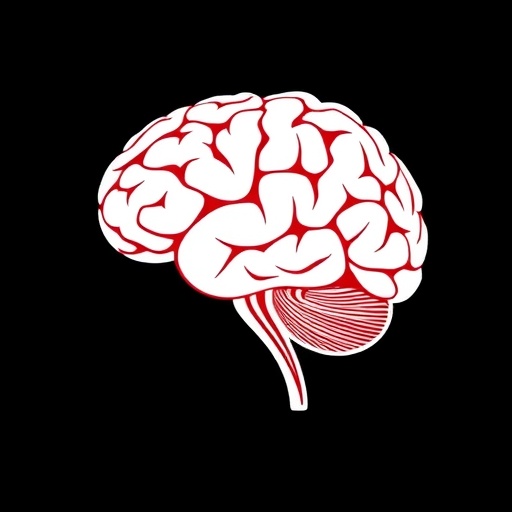
The results are striking and multifarious. Individuals reporting chronic loneliness exhibited pronounced reductions in grey matter volume across several brain regions implicated in emotional regulation, social cognition, and executive function — notably in the prefrontal cortex, hippocampus, and amygdala. These structural changes were tightly correlated with increased prevalence of depressive and anxiety disorders, underscoring a neurobiological substrate mediating psychological distress linked to loneliness. This finding aligns with earlier primate studies suggesting that social deprivation directly impacts neuroplasticity and stress-related neurocircuitry.
Moreover, social isolation, distinct from perceived loneliness, was independently associated with an elevated incidence of neurodegenerative conditions, including Parkinson’s disease and Alzheimer’s dementia phenotypes. This correlation suggests that objective lack of social interaction may accelerate neurodegeneration through mechanisms possibly involving chronic inflammation, oxidative stress, and dysregulation of neurotrophic factors, all modulated by environmental and lifestyle factors captured in the Biobank metadata. The study thus bridges epidemiology with neurobiology, postulating social isolation as a modifiable risk factor for neurological decline.
In addition to structural changes, Zhao et al. reported alterations in behavioral phenotypes indicative of impaired social cognition and reduced adaptability. Participants experiencing isolation showed deficits in tasks requiring theory of mind and emotional recognition, suggesting compromised neural networks that subserve social information processing. This behavioral phenotype not only exacerbates isolation by impeding social re-engagement but also reflects underlying circuit dysfunction, further potentiating psychiatric vulnerability.
A particularly innovative aspect of this research lies in its integration of polygenic risk scores (PRS) for various psychiatric and neurological disorders. By factoring genetic susceptibility into their models, the authors delineated how loneliness and isolation interact with inherent biological vulnerability to influence brain integrity and mental health outcomes. This gene-environment interplay foregrounds personalized medicine approaches, where interventions might be tailored based on individual socio-genetic profiles aimed at mitigating risk in socially isolated populations.
The implications of Zhao et al.’s findings resonate beyond academic spheres, presenting a clarion call for public health initiatives focused on fostering social connectedness as a preventative strategy. The neurobiological evidence substantiates policies promoting community engagement, mental health services, and digital platforms designed to alleviate loneliness, especially amid aging societies and the unprecedented social disruptions witnessed during global crises like the COVID-19 pandemic.
Furthermore, this research paves avenues for clinical interventions exploring whether reversing social isolation can yield structural and functional brain recovery. Future longitudinal studies could elucidate the plasticity potential in affected brain regions and whether psychosocial therapies, cognitive training, or pharmacological agents targeting neuroinflammation might bolster resilience against social deprivation’s deleterious effects.
From a methodological standpoint, the study exemplifies the power of large-scale, multidisciplinary data integration in neuroscientific research. By synergistically combining neuroimaging, genetics, behavioral data, and advanced statistical modeling, Zhao and colleagues circumvented limitations typically constraining single-discipline approaches. This comprehensive paradigm sets a benchmark for future explorations into complex biopsychosocial interactions shaping brain health.
Moreover, the distinction made between social isolation and loneliness offers precision in conceptual frameworks necessary for designing intervention studies. Recognizing that objective and subjective social deficits exert differential impacts on brain and behavior enables targeted approaches. For instance, isolating individuals might benefit from increased social opportunities, whereas lonely individuals may need cognitive-behavioral strategies addressing maladaptive perceptions and emotional regulation.
The study also contributes to the burgeoning field of social neuroscience, elucidating how societal factors manifest concretely within brain structure and function. By linking social phenomena with specific neuroanatomical correlates, it validates the hypothesis that social experiences are fundamental drivers of brain health, demanding integrative research crossing social sciences and neuroscience.
In conclusion, Zhao et al.’s landmark investigation compellingly demonstrates that social isolation and loneliness are not mere psychosocial inconveniences but critical determinants of neurological integrity and psychiatric outcomes. This evidence elevates social connection from a quality-of-life issue to a central factor in brain disease pathogenesis and mental health maintenance. As societies grapple with rising mental health burdens, this research charts a course toward holistic strategies that unite biological, psychological, and social domains to foster brain resilience.
Cite Scienmag News
Cassandra Pierce. (April 28, 2026). Social Isolation, Loneliness Linked to Brain and Mental Health. Scienmag. https://scienmag.com/social-isolation-loneliness-linked-to-brain-and-mental-health/
Cassandra Pierce. "Social Isolation, Loneliness Linked to Brain and Mental Health." Scienmag, 28 April 2026, https://scienmag.com/social-isolation-loneliness-linked-to-brain-and-mental-health/. Accessed 4 September 2026.
Cassandra Pierce. "Social Isolation, Loneliness Linked to Brain and Mental Health." Scienmag. April 28, 2026. https://scienmag.com/social-isolation-loneliness-linked-to-brain-and-mental-health/


