


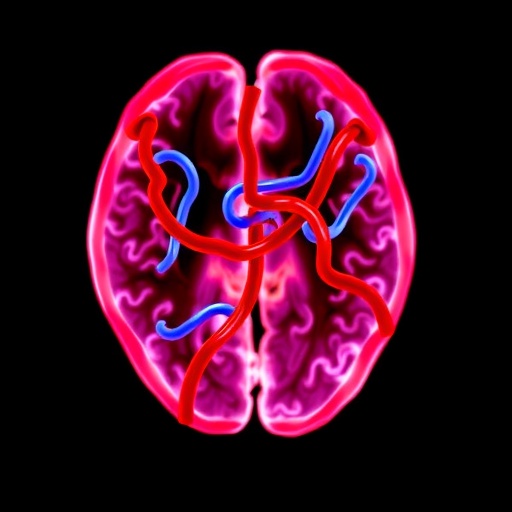
In a groundbreaking new study published in Pediatric Research, scientists have unveiled critical insights into the cerebral hemodynamics of early adolescents who underwent open-heart surgery for congenital heart disease (CHD) during infancy. This investigation not only sheds light on the long-term cerebral blood flow adaptations in this vulnerable population but also raises important questions about neurodevelopmental outcomes and potential avenues for clinical intervention aimed at optimizing brain health after early cardiac repair.
Congenital heart disease remains one of the most common birth defects worldwide, with many severe forms necessitating surgical intervention during the neonatal period to correct structural abnormalities. Although advancements in pediatric cardiac surgery have dramatically improved survival rates, survivors are often at risk for neurodevelopmental impairments. The brain of infants with CHD experiences altered blood flow and oxygenation both prior to and following surgery, but the extent to which cerebral hemodynamics normalize into adolescence has remained unclear—until now.
This study utilized advanced neuroimaging modalities and sophisticated cerebral blood flow measurements to explore how adolescent brains adapt years after the acute trauma of infant heart surgery. The research cohort consisted of early adolescents diagnosed with CHD who received open-heart surgical correction within their first year of life. These individuals were compared against age-matched controls without cardiac anomalies to delineate subtle but meaningful differences in cerebral perfusion patterns.
The central innovation in this work is its focus on long-term cerebrovascular dynamics rather than acute postoperative recovery. By employing techniques such as arterial spin labeling magnetic resonance imaging (ASL-MRI) and transcranial Doppler ultrasonography, the investigators mapped regional cerebral blood flow (rCBF) and cerebral autoregulation parameters with exquisite precision. These technical approaches allowed them to identify persistent deviations in brain perfusion that could underlie cognitive and behavioral challenges often observed in adolescents with a history of CHD.
Findings revealed that despite successful anatomical repair and relatively stable cardiac function, the early adolescent CHD cohort exhibited distinct alterations in cerebral blood flow, particularly in frontal and temporal brain regions critical for executive functioning, memory, and emotional regulation. Notably, these cerebral hemodynamic changes were not uniformly distributed but showed a pattern suggestive of a compensatory mechanism attempting to maintain oxygen delivery in the face of subtle microvascular remodeling and chronic hypoperfusion risk.
Further analysis highlighted impaired cerebral autoregulation—the brain’s intrinsic capability to maintain stable blood flow despite fluctuations in systemic blood pressure—which may render the CHD population uniquely susceptible to ischemic insults or microvascular injury during periods of stress or systemic hypotension. This disrupted regulatory capacity raises concerns about potential exacerbation of neurodevelopmental deficits through adolescence and into adulthood, underscoring a need for ongoing neuromonitoring post-cardiac surgery.
Significantly, the study also probed correlations between cerebral hemodynamic metrics and neuropsychological performance evaluations. The data suggested that adolescents with the greatest disturbances in rCBF and autoregulation tended to score lower on assessments of cognitive flexibility, working memory, and processing speed, implicating cerebral blood flow abnormalities as a physiologic underpinning of observed neurobehavioral impairments. These findings forge a critical link between cardiovascular surgery in infancy and long-term brain function, emphasizing the brain-heart axis in pediatric clinical care.
Moreover, this research illuminates potential therapeutic windows during adolescence where interventions designed to optimize cerebral blood flow and vascular health could mitigate risks of cognitive decline. Such interventions may range from pharmacologic agents aimed at improving microvascular function to tailored physical and cognitive rehabilitation programs structured around individual cerebral perfusion profiles.
The translational impact of these insights is profound as they call for integrated care models combining cardiology, neurology, and developmental pediatrics to ensure comprehensive monitoring of survivors of infant open-heart surgery. Regular cerebral hemodynamic assessments might become an essential component of post-surgical surveillance protocols, allowing for early detection of cerebral perfusion deficits before the emergence of clinically overt neurocognitive issues.
In methodological terms, the study represents a tour de force in leveraging non-invasive imaging techniques to probe the cerebral circulation in a pediatric cohort, a task traditionally hampered by technical and ethical constraints. The precise quantification of regional blood flow and autoregulation indices marks a new frontier in pediatric neurocardiology research, opening avenues for future longitudinal studies that could unravel the trajectory of cerebrovascular health across different CHD phenotypes.
Additionally, the research team explored specific CHD subtypes, recognizing that varied anatomical defects and surgical interventions might differentially impact cerebral hemodynamics. Preliminary subgroup analyses hinted at greater perfusion abnormalities in individuals with single-ventricle physiology compared to those with biventricular repairs, highlighting the heterogeneity of brain outcomes within the CHD population and the necessity for personalized neurovascular assessments.
Importantly, the study also considered the role of perioperative factors such as cardiopulmonary bypass duration, postoperative complications, and early life cerebral oxygenation levels. The nuanced interplay between surgical variables and long-term cerebral blood flow adaptations was found to be complex, suggesting that optimizing surgical and anesthetic strategies for neuroprotection during infancy remains paramount.
Another notable aspect of the research lies in its interdisciplinary collaboration, melding expertise from pediatric cardiology, neuroimaging, neuropsychology, and vascular physiology. This comprehensive approach ensured robust data interpretation and positioned the results within a biological context relevant to both clinical practice and fundamental brain development science. This model of teamwork exemplifies the future of complex pediatric research.
Looking forward, these findings encourage the development of novel diagnostic and therapeutic tools aimed at safeguarding cerebral health in the growing number of CHD survivors. Future studies might integrate biomarker discovery and machine learning algorithms to predict which infants are at highest risk for adverse cerebral hemodynamic profiles, enabling preemptive interventions tailored to individual neurovascular phenotypes.
In conclusion, the pioneering work from Mojon, Latal, Kottke, and colleagues has brought cerebral hemodynamics to the forefront of congenital heart disease research, revealing that the echoes of infant cardiac surgery persist vividly into adolescence through altered cerebral blood flow and compromised autoregulation. As survival continues to improve, so too must our understanding of the intricate consequences on brain health, striving toward a future where every child born with CHD can thrive both physically and cognitively.
Cite Scienmag News
Harold Sullivan. (April 22, 2026). Brain Blood Flow in Teens After Infant Heart Surgery. Scienmag. https://scienmag.com/brain-blood-flow-in-teens-after-infant-heart-surgery/
Harold Sullivan. "Brain Blood Flow in Teens After Infant Heart Surgery." Scienmag, 22 April 2026, https://scienmag.com/brain-blood-flow-in-teens-after-infant-heart-surgery/. Accessed 4 September 2026.
Harold Sullivan. "Brain Blood Flow in Teens After Infant Heart Surgery." Scienmag. April 22, 2026. https://scienmag.com/brain-blood-flow-in-teens-after-infant-heart-surgery/


