


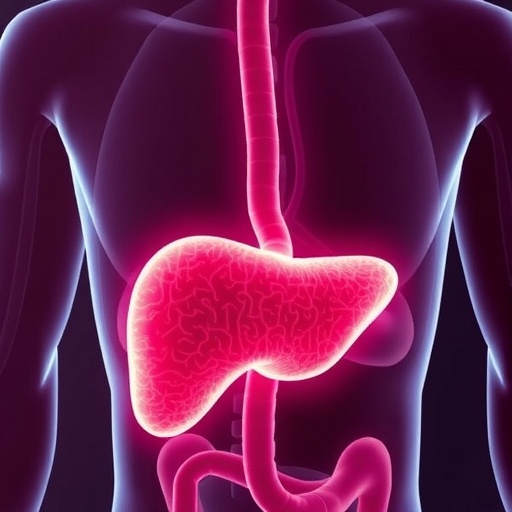
A recent comprehensive global analysis examining liver cancer epidemiology through data drawn from GLOBOCAN 2022 and the Global Burden of Disease (GBD) studies presents a striking narrative of shifting etiologies worldwide. This extensive review delineates a paradigm shift in liver cancer causation from traditional viral hepatitis to increasingly dominant metabolic dysfunctions. Despite persistent high incidence and mortality rates globally, particularly pronounced in China, the landscape of liver cancer risk factors and demographics is evolving rapidly, driven by profound changes in public health interventions and lifestyle patterns.
Liver cancer, primarily hepatocellular carcinoma (HCC), has long been associated with chronic infections by hepatitis B virus (HBV) and hepatitis C virus (HCV). These viral pathogens historically accounted for the majority of cases, especially across Asia and sub-Saharan Africa, regions burdened with high prevalence and onerous morbidity. Over recent decades, the advent and widespread implementation of HBV vaccination alongside effective antiviral treatments for both HBV and HCV have significantly altered this epidemiological profile. This shift underscores the remarkable impact of targeted viral hepatitis control strategies on reducing viral-associated liver carcinogenesis.
However, this encouraging trend masks a simultaneous and concerning rise in liver cancer attributable to metabolic etiologies, including nonalcoholic fatty liver disease (NAFLD) and its more severe form, nonalcoholic steatohepatitis (NASH). These conditions emerge from the burgeoning global prevalence of obesity, type 2 diabetes mellitus, and metabolic syndrome—disorders intrinsically linked to lifestyle and dietary habits prevailing in Westernized and increasingly urbanized societies. The metabolic milieu promotes hepatic inflammation, fibrosis, and eventually malignant transformation, thereby inaugurating a new dominant pathway to liver cancer genesis.
Quantitative analyses demonstrate that while virus-related liver cancer incidence has diminished in several regions, the absolute burden of metabolic-related liver cancer is escalating rapidly. This epidemiological transition is particularly salient in high-income countries and regions undergoing rapid socioeconomic development without commensurate public health adaptations. Obesity-driven hepatic steatosis, insulin resistance, and lipid dysregulation collectively potentiate a carcinogenic environment within hepatocytes, complicating the clinical landscape previously dominated by infectious risk factors.
China notably remains an epicenter of liver cancer mortality, attributable to the lingering legacy of viral hepatitis infections, combined with emerging metabolic risk factors. The country’s massive population and heterogeneous healthcare access contribute to sustained high liver cancer rates despite vigorous vaccination programs. Moreover, urbanization and lifestyle westernization trends further exacerbate metabolic syndrome prevalence, creating a dual burden that challenges existing prevention and treatment paradigms.
Central to combatting the escalating liver cancer burden are enhanced strategies focusing on prevention and early detection. The promising reduction in virus-related liver cancer underscores the value of immunization programs and antiviral therapies, which should be sustained and expanded globally. Concurrently, public health initiatives must pivot to address metabolic risks holistically through lifestyle modification campaigns, improved management of obesity and diabetes, and broader health policy interventions targeting at-risk populations.
Early detection of liver cancer remains a critical determinant of prognosis, yet diagnosis is frequently delayed due to the asymptomatic nature of early-stage disease. Novel screening methodologies exploiting advanced imaging modalities, serum biomarkers, and risk algorithms hold potential to identify preclinical malignancies with greater precision. Integration of these tools into routine clinical practice is essential to improving survival outcomes in a disease notorious for late presentation.
Artificial intelligence (AI) emerges as a transformative force in liver cancer management, offering unprecedented capabilities in risk stratification, diagnostic imaging interpretation, prognostication, and therapeutic decision-making. Machine learning algorithms trained on large, heterogeneous datasets can unravel complex patterns predictive of liver cancer development, enabling personalized surveillance and tailored therapies. The deployment of AI-driven platforms could optimize resource allocation and augment clinical workflows, particularly in regions with limited specialist expertise.
Beyond diagnostics, AI enhances drug discovery and clinical trial design for liver cancer therapeutics by identifying novel molecular targets and predicting patient response profiles. Given the heterogeneous molecular landscape of liver tumors, precision medicine approaches informed by AI analyses can maximize therapeutic efficacy while minimizing adverse effects. This integration holds promise for transcending the historically limited efficacy of conventional treatment modalities.
Despite these advances, considerable barriers impede the universal reduction of liver cancer mortality. Health disparities, inequitable access to preventive services, and insufficient infrastructure for sophisticated diagnostic and therapeutic interventions pose formidable challenges, especially in low- and middle-income countries. Addressing these inequities requires coordinated global efforts encompassing policy reform, capacity building, and international collaboration.
Critically, the changing epidemiology of liver cancer mandates continuous surveillance and updated risk models to accurately reflect evolving etiologies. Future research must emphasize longitudinal cohort studies integrating viral and metabolic parameters alongside environmental and genetic data. Such integrative approaches will inform dynamic risk prediction tools and adaptive clinical guidelines, ensuring that prevention and treatment strategies remain responsive to emerging trends.
In conclusion, while progress against virus-driven liver cancer represents a milestone in global oncology, a metabolic disease wave now threatens to reverse these gains. The complex interplay between viral eradication and metabolic risk amplification necessitates a multifaceted response encompassing vaccination, lifestyle intervention, early detection, and cutting-edge AI technologies. Only through such comprehensive and adaptive strategies can the daunting global burden of liver cancer be effectively mitigated, safeguarding public health for future generations.
News Publication Date: Not provided
Web References: Not provided
References: Not provided
Cite Scienmag News
Nathaniel Bowman. (April 14, 2026). Silent Surge: Metabolic Disorders Fuel the Upcoming Wave of Liver Cancer. Scienmag. https://scienmag.com/silent-surge-metabolic-disorders-fuel-the-upcoming-wave-of-liver-cancer/
Nathaniel Bowman. "Silent Surge: Metabolic Disorders Fuel the Upcoming Wave of Liver Cancer." Scienmag, 14 April 2026, https://scienmag.com/silent-surge-metabolic-disorders-fuel-the-upcoming-wave-of-liver-cancer/. Accessed 4 September 2026.
Nathaniel Bowman. "Silent Surge: Metabolic Disorders Fuel the Upcoming Wave of Liver Cancer." Scienmag. April 14, 2026. https://scienmag.com/silent-surge-metabolic-disorders-fuel-the-upcoming-wave-of-liver-cancer/


