


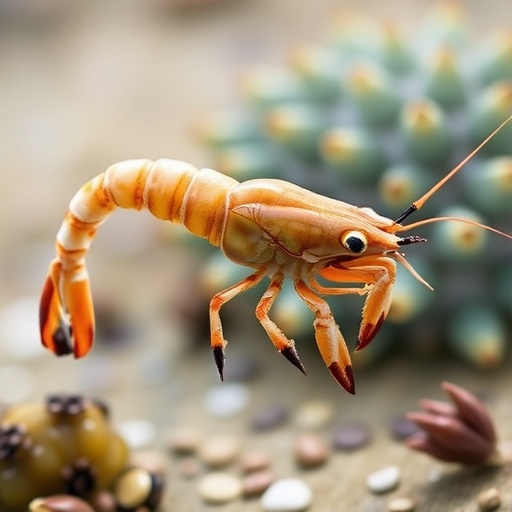
In a groundbreaking new study published in the Journal of Antibiotics, researchers have unveiled four novel hydroxyl fatty acids derived from a unique bacterial strain isolated from shrimp Jeotgal, a traditional Korean fermented seafood. This remarkable discovery promises to expand our understanding of microbial secondary metabolites and their potential applications in medicine and biotechnology. The research team, led by Hillman, Lee, Varli, and their colleagues, have designated these newly identified compounds as gambaoic acids A, B, C, and gambaoic B methyl ester, reflective of their distinct chemical structures and origins.
Fatty acids are essential components of biological membranes and play crucial roles in cell signaling and metabolism. Hydroxyl fatty acids, in particular, exhibit diverse bioactivities, ranging from antimicrobial to anti-inflammatory effects. Their structural diversity and functional properties make them valuable candidates for drug development. The gambaoic acids represent a fresh addition to this chemical family, distinguished by their unique hydroxylation patterns and methyl esterification, which may confer novel bioactive properties.
The bacteria from which these compounds were isolated belong to the Bacillus genus, known for its prolific production of bioactive secondary metabolites. However, what sets this study apart is the isolation of Bacillus sp. SNB-066 from Jeotgal, an unusual and nutrient-rich fermented environment characterized by high salt content and complex microbial ecosystems. The adaptation of bacteria to such extreme niches often drives the synthesis of unique metabolites, a phenomenon that the researchers exploited to uncover these rare hydroxyl fatty acids.
Utilizing advanced chromatographic and spectroscopic techniques, including high-resolution mass spectrometry and nuclear magnetic resonance spectroscopy, the authors meticulously elucidated the molecular structures of gambaoic acids. This level of structural characterization is critical for subsequent investigation of their biological activities and potential therapeutic applications. The presence of multiple hydroxyl groups and methyl ester modifications in these molecules suggests enhanced solubility and reactivity, traits beneficial in pharmacological contexts.
Intriguingly, preliminary bioassays indicate that gambaoic acids exhibit significant antimicrobial activity against a range of pathogenic bacteria, including drug-resistant strains. This is particularly noteworthy in an era where antibiotic resistance poses a formidable global health challenge. The novel chemical scaffolds provided by these metabolites could serve as templates for the design of new classes of antibiotics, potentially overcoming existing resistance mechanisms.
Further pharmacological assessments revealed that gambaoic acids possess anti-inflammatory effects, mediated through modulation of key signaling pathways implicated in immune responses. This dual antimicrobial and anti-inflammatory profile positions these compounds as attractive candidates for treating complex infections where inflammation exacerbates tissue damage. Such multifunctional agents align with the contemporary trend in drug discovery aiming for combination therapies within single molecular entities.
The biotechnological implications of the discovery extend beyond pharmaceuticals. Hydroxyl fatty acids are also valuable in the production of biodegradable plastics, detergents, and cosmetic formulations. The enzymatic pathways involved in gambaoic acid biosynthesis could be harnessed to engineer microbial cell factories capable of sustainable production of these compounds, reducing dependence on chemical synthesis and fossil-derived resources.
Moreover, the study underscores the untapped potential of traditional fermented foods as reservoirs of novel microbes and bioactive molecules. Jeotgal, an ancient culinary staple, harbors a microbial diversity that modern science is only beginning to decode. This research exemplifies the fruitful intersection of ethnobiology and cutting-edge analytical chemistry, opening new avenues for drug discovery from naturally fermented ecosystems.
The team’s integrative approach, combining microbiology, natural product chemistry, and pharmacology, sets a benchmark for future explorations of fermented food microbiomes. The identification of gambaoic acids provides compelling evidence that such environments are fertile grounds for discovering structurally unprecedented natural products with significant bioactivities.
Looking ahead, the research group plans to delve deeper into the biosynthetic gene clusters responsible for gambaoic acid production. Understanding the genetic and enzymatic machinery will facilitate metabolic engineering efforts to optimize yield and diversify the chemical structures. Such advancements could accelerate preclinical development and eventual clinical translation.
This work also raises exciting questions about the ecological roles of these hydroxyl fatty acids in microbial communities within fermented foods. They may act as chemical mediators, modulating microbial interactions and community dynamics, thereby influencing fermentation quality and safety. Deciphering these ecological functions can inform strategies to harness beneficial microbes for food preservation and enhancement.
In light of the urgent need for novel bioactive agents and sustainable bioproducts, the discovery of gambaoic acids from Bacillus sp. SNB-066 represents a significant stride. It illuminates how centuries-old fermentation practices can inspire modern scientific breakthroughs, showcasing the synergy between tradition and innovation.
The comprehensive chemical and biological characterization presented in this study not only enriches the repertoire of natural products but also provides a promising platform for the development of new therapeutic agents. The implications for combating antibiotic resistance and inflammation-related diseases are profound and warrant vigorous follow-up investigations.
As the scientific community continues to explore the chemical diversity emerging from microbial fermentation, discoveries like gambaoic acids reinforce the critical value of preserving and studying traditional food microbiomes. This frontier holds immense potential for transformative advances in health and industry.
In summary, Hillman and colleagues have delivered a landmark contribution by identifying four new hydroxyl fatty acids with captivating structural features and promising bioactivities. The gambaoic acids exemplify how meticulous natural product research, grounded in unique ecological niches, can catalyze innovation with broad-reaching impacts.
This research heralds a new chapter in natural product chemistry and biotechnology, where the overlooked microbial treasures of fermented foods serve as springboards for next-generation pharmaceuticals and sustainable materials development. The future shines bright for gambaoic acids and the pathways they reveal.
Cite Scienmag News
Ophelia Keating. (April 3, 2026). Four New Hydroxyl Fatty Acids Discovered in Shrimp. Scienmag. https://scienmag.com/four-new-hydroxyl-fatty-acids-discovered-in-shrimp/
Ophelia Keating. "Four New Hydroxyl Fatty Acids Discovered in Shrimp." Scienmag, 3 April 2026, https://scienmag.com/four-new-hydroxyl-fatty-acids-discovered-in-shrimp/. Accessed 5 September 2026.
Ophelia Keating. "Four New Hydroxyl Fatty Acids Discovered in Shrimp." Scienmag. April 3, 2026. https://scienmag.com/four-new-hydroxyl-fatty-acids-discovered-in-shrimp/


