


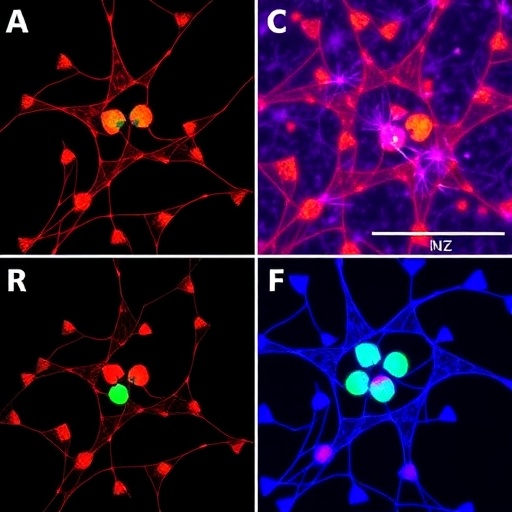
In a groundbreaking new study, researchers have unveiled an intricate molecular mechanism by which the oncogene MYCN impedes differentiation in neuroblastoma cells, a discovery that has significant implications for understanding the pathology of this aggressive childhood cancer and potentially for therapeutic development. Published in Cell Death Discovery, the study elucidates how MYCN disrupts the PKA (protein kinase A) signaling pathway to inhibit the pro-differentiation signals mediated by the TrkC receptor. This novel insight sheds light on the sophisticated interplay between oncogenic drivers and cellular signaling networks that dictate tumor behavior.
Neuroblastoma, a malignancy originating from immature nerve cells in the sympathetic nervous system, remains one of the most lethal pediatric cancers globally. Its clinical heterogeneity ranges from spontaneous regression to relentless progression, largely influenced by genetic aberrations such as amplification of the MYCN oncogene. MYCN’s role as a critical driver of tumor growth and poor prognosis has been well-documented, yet the specific mechanisms by which it alters signaling pathways to thwart cell differentiation have remained elusive until now.
Central to the study’s findings is the neurotrophin receptor TrkC, which normally promotes differentiation in neuronal precursor cells, steering them toward a mature phenotype and away from unchecked proliferation. TrkC activation typically triggers downstream signaling cascades involving PKA, a pivotal kinase that modulates diverse cellular functions including growth, differentiation, and apoptosis. The researchers demonstrated that MYCN overexpression leads to a marked disruption of the PKA signaling axis, effectively severing the pro-differentiation signals initiated by TrkC.
By employing a combination of molecular biology techniques, including gene silencing and pharmacological modulation of PKA activity, the study rigorously dissected the signaling events downstream of TrkC in neuroblastoma cell lines. The authors reported that MYCN dampens PKA activation, thereby preventing the transcriptional programs essential for neuronal differentiation. This blockade not only sustains the undifferentiated and proliferative state of neuroblastoma cells but also contributes to tumor aggressiveness and resistance to conventional therapies.
Further molecular interrogation revealed that MYCN may physically associate with components of the PKA pathway or regulate its activity through intermediate signaling molecules. This observation suggests a multifaceted mechanism of MYCN-mediated interference, highlighting the oncogene’s versatile strategies to co-opt cellular machinery for tumor progression. Moreover, the disruption of PKA signaling by MYCN suggests that restoring this pathway’s function could represent a promising therapeutic avenue.
Importantly, the study does not merely map out the inhibitory pathway but also underscores the potential reversibility of this process. Pharmacological activation of PKA was shown to partially restore differentiation in MYCN-amplified neuroblastoma cells, providing proof-of-concept that targeting the PKA axis could unlock differentiation programs suppressed by oncogenic signals. This molecular reawakening could, in turn, sensitize tumor cells to differentiation therapies, a strategy aimed at converting malignant cells into less harmful, mature forms.
The clinical ramifications of these findings are profound. Neuroblastoma with MYCN amplification is typically refractory to standard treatments, correlating with poor outcomes. The delineation of a disrupted PKA signaling network opens new therapeutic windows, where combinatorial strategies could be designed to inhibit MYCN’s blockade while simultaneously promoting neuronal differentiation. Such dual-targeted interventions could improve survival rates and reduce the morbidity associated with aggressive neuroblastomas.
The research team employed cutting-edge assays, including RNA sequencing, protein activity measurements, and functional differentiation assays, to assemble a comprehensive picture of the MYCN-TrkC-PKA axis. Their rigorous approach ensures that these findings are robust and reproducible, setting the stage for future translational research focused on clinical interventions. Additionally, the work prompts a reevaluation of the PKA pathway as not merely a bystander but a critical node in neuroblastoma biology influenced by oncogene-driven modulation.
Beyond neuroblastoma, the implications of this study broaden to the understanding of other MYCN-driven malignancies and neurodevelopmental disorders. The interaction between oncogenes and PKA signaling components could represent a generalizable paradigm, informing the development of novel drugs that restore cellular homeostasis in tumors marked by differentiation defects. The cross-talk between receptor tyrosine kinases like TrkC and intracellular kinases such as PKA highlights the complexity of signaling networks commandeered in cancer.
While MYCN has long been recognized as a master regulator of malignancy, the discovery of its direct involvement in manipulating the differentiation machinery via PKA disruption elevates our appreciation of its oncogenic versatility. This work also cultivates optimism for the scientific and medical communities that targeting epigenetic and signaling derangements orchestrated by MYCN could yield effective differentiation therapies, ultimately improving outcomes for children afflicted by neuroblastoma.
Future directions in this line of research involve elucidating detailed molecular intermediates bridging MYCN and PKA signaling and validating these findings in vivo using preclinical models and patient-derived samples. Understanding whether MYCN’s disruptive effects on PKA are context-dependent or universal across different neuroblastoma subtypes will also be critical. Such insights could tailor therapeutic approaches to patient-specific oncogenic landscapes.
In conclusion, this pioneering study presents compelling evidence that MYCN prevents neuroblastoma cell differentiation by disrupting the PKA signaling pathway downstream of TrkC. This mechanistic revelation not only enhances our molecular understanding of neuroblastoma pathogenesis but also highlights promising targets for therapeutic intervention. As the field advances, this work will undoubtedly influence the design of next-generation therapies aimed at reactivating differentiation and halting tumor progression in pediatric neuroblastoma.
Cite Scienmag News
Nathaniel Bowman. (March 25, 2026). MYCN Blocks TrkC-Driven Differentiation via PKA. Scienmag. https://scienmag.com/mycn-blocks-trkc-driven-differentiation-via-pka/
Nathaniel Bowman. "MYCN Blocks TrkC-Driven Differentiation via PKA." Scienmag, 25 March 2026, https://scienmag.com/mycn-blocks-trkc-driven-differentiation-via-pka/. Accessed 4 September 2026.
Nathaniel Bowman. "MYCN Blocks TrkC-Driven Differentiation via PKA." Scienmag. March 25, 2026. https://scienmag.com/mycn-blocks-trkc-driven-differentiation-via-pka/


