


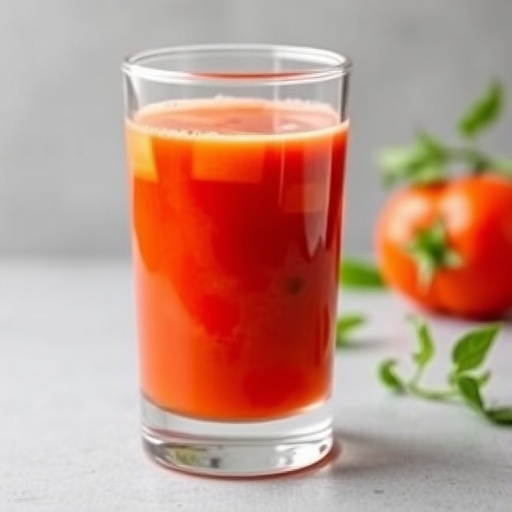
Emerging research from Ohio State University reveals compelling evidence that consuming a specially formulated tomato-soy juice can significantly reduce systemic inflammation in adults with obesity. This intervention centers on plant-derived bioactive compounds, lycopene and soy isoflavones, known for their antioxidant and anti-inflammatory properties demonstrated extensively in preclinical studies. The novel clinical trial, detailed in Molecular Nutrition & Food Research, marks a crucial step toward validating food-based strategies for managing chronic inflammatory states that underpin a multitude of metabolic and degenerative diseases.
The study addresses a pressing biomedical challenge: chronic, low-grade inflammation as a pathological hallmark of obesity and its comorbid conditions. While lifestyle modification and pharmacotherapy remain cornerstones of managing obesity-related inflammation, the potential of dietary phytochemicals as modulators of immune responses introduces a paradigm shift. Lycopene, a tetraterpenoid carotenoid responsible for the vibrant red pigmentation of tomatoes, and soy-derived isoflavones, phenolic compounds with estrogenic activity, have independently shown favorable effects on inflammatory cascades in animal models. The innovative aspect of this research lies in the synergistic formulation of these compounds in a juice matrix and its evaluation in a human cohort.
The clinical investigation recruited twelve healthy adults with obesity who participated in a controlled, crossover design trial. Participants consumed two 6-ounce servings daily of a high-lycopene tomato-soy juice for four weeks, followed by a washout period, then four weeks of a low-carotenoid control tomato juice devoid of soy isoflavones. This design minimized confounding variables and allowed direct comparison of inflammatory marker changes attributable specifically to the bioactive compounds rather than general tomato constituents or hydration effects.
Blood assays revealed significant downregulation of key pro-inflammatory cytokines following the tomato-soy juice regimen. Interleukin-5 (IL-5), Interleukin-12p70 (IL-12p70), and granulocyte-macrophage colony-stimulating factor (GM-CSF) levels decreased meaningfully, signaling attenuation of immune system hyperactivation. Moreover, tumor necrosis factor alpha (TNF-α), a pivotal mediator in chronic inflammation and insulin resistance, exhibited a downward trend, although it did not reach statistical significance. These findings pinpoint the juice’s potential to modulate both the innate and adaptive arms of inflammatory physiology.
Beyond cytokine quantification, the research employed metabolomic profiling of urine samples to elucidate systemic biochemical alterations induced by the intervention. This approach uncovered complex shifts in metabolites related to both tomato constituents and soy isoflavones, highlighting metabolic pathway engagement beyond the targeted compounds. The metabolomic data substantiate that the tomato-soy juice’s biological effects arise from an integrative network of phytochemicals interacting with host metabolism, rather than isolated ingredients acting singularly.
The genesis of the tomato-soy juice sits at the convergence of agricultural innovation and nutritional science. Ohio State researchers engineered tomato cultivars with markedly elevated lycopene content, combined with soy isoflavone extracts to maximize the nutraceutical profile. Previous epidemiological and experimental evidence correlated consumption of tomato and soy products with reduced prostate cancer risk and lower prostate-specific antigen levels, lending translational rationale for testing the juice as an inflammation modulator.
This research transcends basic science, with direct clinical implications for inflammatory diseases such as pancreatitis. National Institute of Diabetes and Digestive and Kidney Diseases funding supports an ongoing pilot trial investigating the juice’s efficacy in patients suffering from chronic pancreatitis, a condition currently managed palliatively. Preclinical data from animal models demonstrated the juice’s capability to diminish both tissue inflammation and disease severity, offering hope for novel adjunctive therapies targeting the inflammatory milieu and enhancing quality of life.
At the mechanistic level, the bioactivity of lycopene and soy isoflavones involves quenching reactive oxygen species, modulation of NF-kB signaling, and interference with cytokine gene expression. Lycopene’s lipid-soluble nature facilitates membrane integration, protecting against oxidative damage, while soy isoflavones engage estrogen receptors to exert anti-inflammatory effects and potentially modulate gut microbiota composition. The conjugated action of these phytochemicals in the juice formulation supports multifactorial intervention points within inflammation pathways.
This investigation underscores the importance of rigorous clinical testing for dietary interventions traditionally regarded as supplements or functional foods. Lead investigator Jessica Cooperstone emphasizes the distinction between claiming anti-inflammatory properties based on preliminary data and conclusively demonstrating biological impact through controlled human studies. The tomato-soy juice trial exemplifies translational research bridging horticultural innovation, biochemistry, and clinical medicine.
Current findings invite broader exploration into diet-derived phytochemicals as modulators of systemic inflammation, especially in the context of metabolic syndrome and obesity-driven diseases. The integration of metabolomic analysis sets a methodological precedent for characterizing the complexity of food-drug interactions and personalized nutrition effects. Future research may refine dosing, formulation, and population targeting to optimize anti-inflammatory outcomes.
This body of work received support from multiple institutions, including the U.S. Department of Agriculture, the National Institutes of Health, and Ohio State’s Foods for Health Initiative. Collaborative efforts spanning horticulture, nutrition, pharmacology, and clinical medicine exemplify the interdisciplinary nature necessary to advance functional food therapeutics.
Ultimately, the tomato-soy juice represents a promising, accessible, and natural dietary intervention that harnesses the intrinsic power of phytochemicals to modulate immune responses and systemic inflammation. As the global burden of obesity and chronic inflammatory diseases escalates, such innovations offer scalable public health strategies complementing existing medical treatments and lifestyle modifications.
Cite Scienmag News
Daisy Hatcher. (May 26, 2026). Tomato-Soy Juice Reduces Inflammation in Adults with Obesity, Study Finds. Scienmag. https://scienmag.com/tomato-soy-juice-reduces-inflammation-in-adults-with-obesity-study-finds/
Daisy Hatcher. "Tomato-Soy Juice Reduces Inflammation in Adults with Obesity, Study Finds." Scienmag, 26 May 2026, https://scienmag.com/tomato-soy-juice-reduces-inflammation-in-adults-with-obesity-study-finds/. Accessed 5 September 2026.
Daisy Hatcher. "Tomato-Soy Juice Reduces Inflammation in Adults with Obesity, Study Finds." Scienmag. May 26, 2026. https://scienmag.com/tomato-soy-juice-reduces-inflammation-in-adults-with-obesity-study-finds/


