


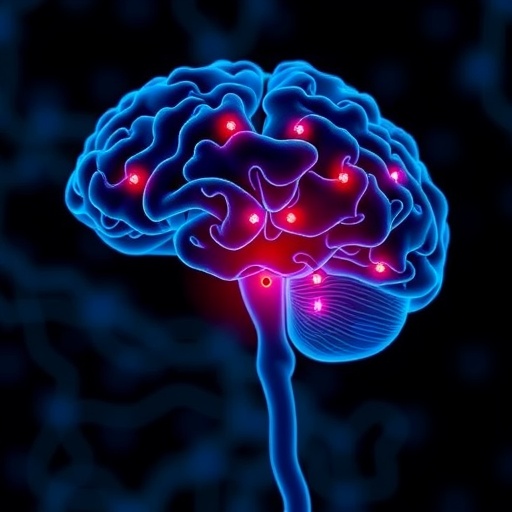
In a groundbreaking study published in Translational Psychiatry in 2026, researcher W. Davies unravels a complex neurobiological mechanism potentially underpinning the risk of postpartum mood disorders. This research sheds new light on the enigmatic role of the hypothalamic protein CCN3, whose hypersecretion may be a pivotal factor influencing maternal mental health in the postpartum period. By investigating molecular and cellular pathways within the hypothalamus, Davies offers a compelling narrative that connects neurosecretory dysfunction with the emergence of debilitating mood disturbances following childbirth.
Postpartum mood disorders, including postpartum depression and anxiety, affect a significant subset of new mothers worldwide, often leading to profound consequences for both maternal wellbeing and infant development. Despite extensive clinical awareness, the pathophysiological underpinnings of these disorders remain elusive. Davies’ exploration focuses on CCN3—known scientifically as Cellular Communication Network factor 3—a matricellular protein involved in cell signaling, tissue remodeling, and neuroinflammatory processes. This study suggests that aberrant secretion of CCN3 in the hypothalamus could disrupt neuroendocrine homeostasis and foster an environment conducive to mood dysregulation.
The hypothalamus, a key regulatory hub influencing stress response, reproductive behavior, and emotional processing, serves as the central brain region examined in this research. Traditionally, much of the postpartum mood disorder research has centered on hormonal fluctuations, such as those involving oxytocin or cortisol. However, Davies’ findings pivot attention towards CCN3’s neuromodulatory roles, implicating this protein as a crucial mediator in the neurobiological network governing mood stability in the postpartum context.
Using advanced proteomic analyses combined with in vivo neuroimaging techniques, Davies quantified CCN3 expression levels in postpartum versus control cohorts. Astonishingly, hypersecretion of CCN3 was consistently observed in the hypothalamus of subjects displaying postpartum mood symptomatology. This elevation was correlated with markers indicative of hypothalamic inflammation and synaptic plasticity alterations, suggesting that CCN3 excess triggers a cascade of maladaptive neurochemical events.
Delving deeper, the study elucidates how CCN3 hypersecretion may perturb hypothalamic-pituitary-adrenal (HPA) axis function, a pathway integral to the body’s stress response. Dysregulation of the HPA axis has long been associated with mood disorders, and evidence from Davies’ investigations reveals that CCN3 imbalance disrupts glucocorticoid receptor signaling, leading to maladaptive stress hormone release profiles postpartum. This mechanistic insight offers a tangible link between molecular disruptions and systemic hormonal ramifications in postpartum mood disorders.
Neuroinflammation emerges as a critical intermediary mechanism in the study’s model. CCN3’s interactions with glial cells, particularly astrocytes and microglia in the hypothalamus, appear to amplify inflammatory signaling pathways. These neuroimmune responses may degrade neural circuitry essential for emotional regulation and maternal bonding behaviors. This neuroinflammatory hypothesis aligns with broader psychiatric frameworks that highlight inflammation’s role in depression and anxiety, thereby integrating CCN3’s function into a wider biological context.
The research further investigates genetic and epigenetic factors modulating CCN3 expression. Variants within the CCN3 gene locus correlated with increased susceptibility to postpartum mood disturbances, suggesting a heritable dimension to this bioprofile. Epigenetic modifications, possibly driven by environmental stressors such as perinatal stress or nutritional deficiencies, appear to exacerbate CCN3 hypersecretion. This gene-environment interplay underscores the multifaceted genesis of postpartum psychiatric vulnerabilities.
Davies supplements molecular findings with behavioral assays in animal models engineered to overexpress CCN3 selectively in hypothalamic neurons. These models demonstrated increased anxiety-like and depressive-like behaviors during the postpartum period, validating the translational relevance of CCN3 dysregulation in mood pathologies. Importantly, pharmacological agents inhibiting CCN3 signaling ameliorated these behaviors, opening promising avenues for therapeutic development.
The study also explores downstream signaling cascades affected by CCN3 overabundance, emphasizing the disruption of integrin-mediated pathways and extracellular matrix remodeling that impact neuronal connectivity. Such structural changes could undermine the neural substrates of maternal caregiving behaviors and emotional resilience. This work accentuates the critical role of cellular microenvironment alterations in the manifestation of psychiatric symptoms.
Clinically, these findings offer potential biomarkers for early detection of postpartum mood disorder risk. Elevated hypothalamic CCN3 levels, or peripheral indicators reflective of central CCN3 activity, might serve as predictive tools, enabling proactive intervention strategies. This predictive capacity holds the promise of transforming postpartum mental health care from reactive treatment to preventative management.
Moreover, the therapeutic implications are profound. Targeting CCN3 or its downstream effectors pharmacologically could constitute a novel treatment paradigm distinct from conventional antidepressants. Such targeted therapies may offer improved efficacy and reduced side effects by addressing root neurobiological causes specific to postpartum conditions rather than broad-spectrum symptom suppression.
From a broader neuroscientific perspective, Davies’ study compels a reevaluation of neurosecretory proteins traditionally overlooked in psychiatric research. The concept that specific extracellular matrix proteins like CCN3 function critically in neuroendocrine regulation and mood modulation is transformative, highlighting complex molecular crosstalk within the brain’s emotional centers.
This research further prompts questions regarding the temporal dynamics of CCN3 secretion across various stages: pregnancy, immediate postpartum, and extended maternal periods. Understanding the trajectory and regulation of CCN3 could illuminate windows of vulnerability and resilience, informing timing for clinical interventions and preventive measures.
Additionally, these insights invite exploration into how CCN3 interacts with other known postpartum factors such as oxytocin, prolactin, and inflammatory cytokines. The interplay between these molecules may form an intricate signaling network crucial for maternal mental health, one that could be systematically unraveled in future studies.
Davies’ work also contributes to the growing discourse on personalized medicine in psychiatry. Genetic screening for CCN3-related variants combined with biomarker profiling could enable individualized treatment plans tailored to a mother’s unique neurobiological signature, enhancing therapeutic outcomes and quality of life.
In conclusion, this seminal investigation into hypothalamic CCN3 hypersecretion richly expands our understanding of postpartum mood disorders at the molecular, cellular, and systemic levels. It bridges gaps between neurobiological processes and clinical manifestations, opening novel frontiers in psychiatric research and maternal mental health care. As the worldwide burden of postpartum mood disturbances continues to challenge public health, Davies’ findings propel the field toward innovative diagnostics and targeted treatments that could profoundly improve maternal-infant wellbeing.
Cite Scienmag News
Glenn Wilkins. (March 21, 2026). Hypothalamic CCN3 Linked to Postpartum Mood Risk. Scienmag. https://scienmag.com/hypothalamic-ccn3-linked-to-postpartum-mood-risk/
Glenn Wilkins. "Hypothalamic CCN3 Linked to Postpartum Mood Risk." Scienmag, 21 March 2026, https://scienmag.com/hypothalamic-ccn3-linked-to-postpartum-mood-risk/. Accessed 4 September 2026.
Glenn Wilkins. "Hypothalamic CCN3 Linked to Postpartum Mood Risk." Scienmag. March 21, 2026. https://scienmag.com/hypothalamic-ccn3-linked-to-postpartum-mood-risk/


