


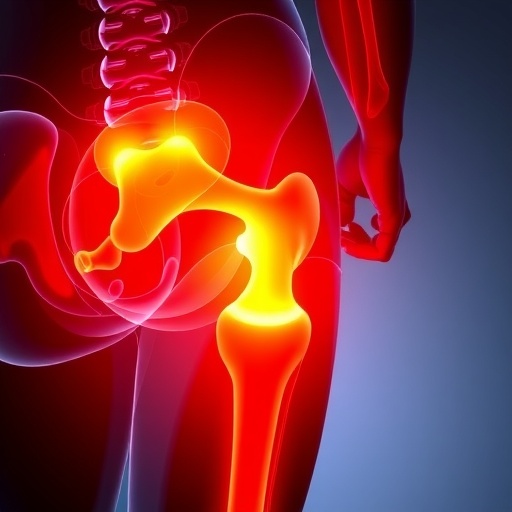
In the realm of geriatric medicine, hip fractures stand out as a particularly daunting challenge, imposing a significant burden on older adults and healthcare systems worldwide. The road to recovery is notoriously complex and prolonged, with rehabilitation exercises playing a pivotal role in restoring mobility, independence, and overall quality of life. However, adherence to these prescribed rehabilitation regimens remains alarmingly low, undermining the potential benefits of recovery efforts. A groundbreaking mixed-methods systematic review, conducted by Sheng, Yang, and Zhang and recently published in BMC Geriatrics, sheds critical light on the intricate web of barriers and facilitators influencing rehabilitation exercise adherence in older adults following hip fractures.
Recovery from hip fractures is fundamentally reliant on the consistent engagement of patients with rehabilitation exercises. Such routines are designed to restore musculoskeletal strength, improve balance, and mitigate the risk of subsequent falls—conditions that are especially perilous for elderly individuals. Despite clear clinical guidelines advocating early and sustained physical therapy, real-world compliance frequently falls short, leading to suboptimal outcomes. Sheng and colleagues embarked on an exhaustive review, analyzing numerous qualitative and quantitative studies to unravel why older adults struggle with adherence and what might effectively support their recovery journey.
The review’s methodology stands out due to its mixed-methods approach, synthesizing data from diverse study designs to provide a holistic perspective. Quantitative findings revealed alarming statistics: a significant proportion of older adults discontinue prescribed rehabilitation exercises prematurely or fail to engage with the program entirely. This disengagement, as the study identified, results in prolonged immobility, muscle atrophy, and increased dependence on caregivers. Conversely, qualitative insights elucidated the underlying personal, psychological, and systemic factors contributing to adherence challenges, offering a nuanced understanding of the rehabilitation landscape.
One of the foremost barriers identified in the review is the pervasive presence of pain following hip fractures. Persistent discomfort discourages older adults from performing exercises that feel painful or exhausting, despite their therapeutic benefits. Pain management thus emerges as a pivotal factor in improving adherence. When pain is inadequately addressed, motivation diminishes, and fear of exacerbating injury discourages active participation in rehabilitation protocols. Healthcare providers are urged to integrate comprehensive pain control strategies within rehabilitation programs to mitigate this critical obstacle.
Psychological factors also surfaced prominently within the study. Feelings of depression, anxiety, and hopelessness frequently afflict patients navigating the fraught recovery process. The psychological toll of immobility, coupled with the fear of long-term disability, can paralyze motivation. Sheng et al. emphasize the importance of embedding psychological support and counseling alongside physical rehabilitation to foster resilience and emotional engagement. When patients receive encouragement and validation, their likelihood of adhering to rehabilitation regimens markedly improves.
Moreover, social support networks were revealed to be powerful facilitators in exercise adherence. The presence of family members, caregivers, or peers encouraging and assisting in rehabilitation efforts substantially enhances commitment levels. Social isolation, conversely, amplifies challenges, as patients may struggle to maintain routines without encouragement or assistance. The study recommends integrating community-based support initiatives and caregiver education as critical components to bolster recovery adherence.
Accessibility and logistical factors also heavily influence rehabilitation participation. Many older adults experience difficulty attending physical therapy sessions due to transportation limitations, mobility issues, or financial constraints. The review argues for innovative solutions such as home-based exercise programs, tele-rehabilitation technologies, and flexible scheduling to overcome these systemic hurdles. Such adaptations could democratize access to rehabilitation, ensuring that patients receive consistent guidance and support regardless of physical or socioeconomic barriers.
Educating patients about the importance and benefits of rehabilitation exercises emerged as another vital facilitator. The authors stress that patients often underestimate the significance of their active participation or may harbor misconceptions about the safety and efficacy of exercises post-fracture. Clear, empathetic communication from healthcare professionals is essential to empower patients with knowledge, dispel myths, and instill confidence in their recovery plans.
Intriguingly, the review also highlights the role of personalized rehabilitation programs tailored to the individual’s functional capacity, preferences, and lifestyle. One-size-fits-all models tend to neglect the heterogeneity among older adults, leading to disengagement when exercises feel irrelevant or excessively challenging. Personalized interventions foster a sense of ownership and can accommodate gradual progression, making the regimen more manageable and less intimidating.
The emerging use of wearable technology and digital health platforms presents a promising frontier for enhancing adherence. Sheng and colleagues suggest that integrating real-time feedback, progress tracking, and virtual coaching could revolutionize rehabilitation by making it more interactive and motivating. While still in nascent stages, such technologies have the potential to bridge gaps in supervision and sustain patient enthusiasm.
Importantly, healthcare providers’ attitudes and communication styles profoundly affect adherence outcomes. Empathy, patience, and consistent encouragement from clinicians create a therapeutic alliance that motivates older adults to persevere through difficulties. Conversely, perceived judgment or lack of support can alienate patients. Training programs for rehabilitation specialists should therefore emphasize patient-centered care approaches to optimize engagement.
The review’s comprehensive analysis also acknowledges systemic factors such as healthcare policies, insurance coverage, and availability of rehabilitation infrastructure. Variations in these domains can dictate the consistency and quality of rehabilitation services. The authors call for policy-level interventions that ensure equitable access to rehabilitation resources, addressing disparities that disproportionately impact vulnerable populations.
Furthermore, the cultural context within which rehabilitation occurs influences patients’ attitudes and behaviors. Cultural beliefs about aging, disability, and exercise can either promote or hinder adherence. Cultural competence in rehabilitation program design and delivery is essential to respect patients’ values and enhance participation rates.
The implications of Sheng, Yang, and Zhang’s work resonate beyond the immediate clinical sphere, touching on public health and socioeconomic dimensions. Improved adherence to rehabilitation regimens could significantly reduce the incidence of secondary injuries, hospital readmissions, and long-term disability among older adults. This, in turn, could alleviate the substantial economic burdens associated with hip fracture morbidity, supporting sustainable healthcare systems globally.
In conclusion, the systematic review by Sheng and colleagues represents a seminal contribution to the geriatric rehabilitation field. Their elucidation of multifaceted barriers and facilitators provides a robust framework for clinicians, researchers, and policymakers aiming to enhance rehabilitation adherence in older adults with hip fractures. By addressing pain management, psychological support, social networks, accessibility, education, personalization, technology integration, healthcare provider communication, systemic factors, and cultural sensitivity, the path to improved recovery outcomes becomes clearer and more attainable. This body of knowledge equips stakeholders with the insight necessary to design and implement interventions that not only extend life but enhance its quality for a vulnerable and growing population.
Cite Scienmag News
Ophelia Keating. (March 19, 2026). Challenges and Boosters of Hip Fracture Rehab Adherence. Scienmag. https://scienmag.com/challenges-and-boosters-of-hip-fracture-rehab-adherence/
Ophelia Keating. "Challenges and Boosters of Hip Fracture Rehab Adherence." Scienmag, 19 March 2026, https://scienmag.com/challenges-and-boosters-of-hip-fracture-rehab-adherence/. Accessed 4 September 2026.
Ophelia Keating. "Challenges and Boosters of Hip Fracture Rehab Adherence." Scienmag. March 19, 2026. https://scienmag.com/challenges-and-boosters-of-hip-fracture-rehab-adherence/


