

In a groundbreaking study poised to redefine our understanding of neuromodulation, researchers have unveiled a pioneering approach that simultaneously harnesses deep brain stimulation (DBS) with precision neuroimaging to decode the intricate circuit-level responses within the human brain. This sophisticated melding of stimulation and imaging technologies promises unprecedented insights into how targeted electrical impulses reverberate through complex neural pathways, marking a monumental stride in both neuroscience research and clinical neuromodulation therapies.
The human brain, with its staggering complexity and dynamic connectivity, has long confounded scientists striving to map the precise effects of neuromodulatory interventions such as DBS. Traditionally employed to treat a myriad of neurological and psychiatric disorders—ranging from Parkinson’s disease to depression—DBS operates by delivering calibrated electrical pulses to specific brain regions, thereby modulating aberrant neural activity. However, the exact circuit-level underpinnings and downstream effects of such stimulation have remained elusive, hampered by the limitations of available monitoring methodologies.
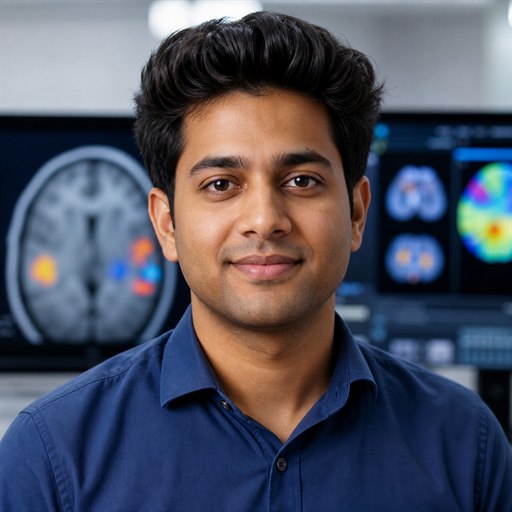
Ren and colleagues have surmounted these challenges by integrating DBS directly with high-resolution functional neuroimaging modalities, enabling the contemporaneous capture of stimulation-induced neural dynamics in living human subjects. This dual-method paradigm affords researchers the extraordinary ability to visualize, in real time, how electrical perturbations propagate through targeted neural circuits and alter the functional connectivity landscape. The resultant data herald a transformative paradigm in neuromodulation research, shifting from phenomenological observations to mechanistic circuit-level elucidations.
To achieve this, the research team employed a sophisticated suite of imaging technologies sensitive enough to detect subtle changes in brain activity elicited by DBS pulses. By synchronizing imaging acquisition with the stimulation protocol, they were able to disambiguate the direct neural responses from artifact signals typically introduced by electrical interference. This meticulous approach has overcome a significant technical barrier, as the challenge of imaging during active brain stimulation has long impeded efforts to accurately chart real-time neuromodulatory effects.
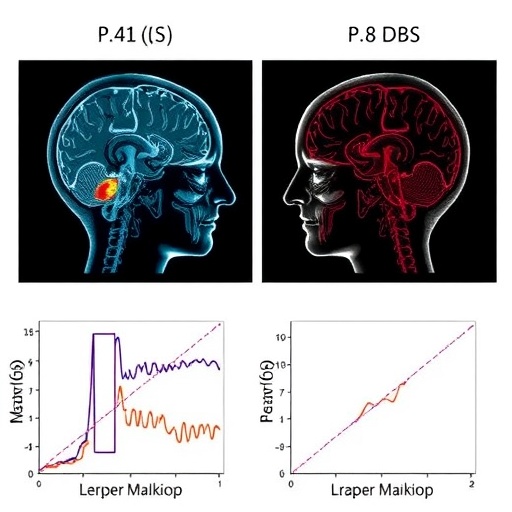
The empirical findings reveal complex, region-specific patterns of neural engagement that fluctuate dynamically with stimulation parameters. Notably, the study delineates how DBS not only influences local circuitry near the electrode implant but also exerts widespread modulatory effects on distributed networks implicated in motor control, cognition, and emotional regulation. Such comprehensive cartography of stimulation impact provides vital clues toward tailoring DBS protocols with unprecedented precision to individual patients’ neural architectures.
Moreover, the insights gleaned extend beyond fundamental neuroscience into clinical practice. An enhanced understanding of circuit-level responses paves the way for optimizing neuromodulation therapies, potentially improving efficacy and reducing adverse effects. For instance, fine-tuning stimulation paradigms to precisely modulate pathological circuits while sparing healthy neural networks may revolutionize personalized treatment strategies for disorders such as dystonia, obsessive-compulsive disorder, and refractory depression.
This innovative fusion of deep brain stimulation and precision neuroimaging was made possible by recent advances in imaging hardware and analytical algorithms capable of handling complex datasets. The interdisciplinary nature of the study—marrying neuroengineering, computational neuroscience, and clinical neurology—exemplifies the collaborative spirit necessary to tackle the formidable challenge of decoding human brain circuits in action. Through this synergy, the investigators have generated a methodological framework with broad applicability across both basic and translational neuroscience domains.
The implications of such real-time circuit mapping are vast. Beyond DBS, the approach could potentially be adapted to investigate responses to other neuromodulatory interventions such as transcranial magnetic stimulation (TMS) or pharmacological modulation. By elucidating how diverse stimuli reshape neural communication networks, researchers can gain a holistic picture of brain plasticity and resilience, thereby informing next-generation therapeutic innovations.
Equally impressive is the resolution with which the study tracks neuromodulatory effects. The ability to observe temporal fluctuations in connectivity with fine granularity helps unravel the dynamic interplay among brain regions during stimulation. This temporal dimension is critical for understanding the transient and lasting effects of DBS, which often manifest variably across time and behavioral states. The discovery of such dynamic circuit responses adds a new layer of complexity, necessitating adaptive models of neuromodulation rather than static, one-size-fits-all approaches.
Furthermore, the research underscores the importance of precision targeting in neuromodulatory therapies. By correlating the spatial specificity of stimulation sites with distinct circuit activations, clinicians can better strategize electrode placement and stimulation settings customized for each patient’s unique neural topology. Such tailored interventions mitigate off-target effects and maximize therapeutic benefits, heralding a new era of personalized brain stimulation.
The study also opens exciting avenues for exploring the fundamental principles of brain organization and connectivity. As DBS modulates only specific nodes within expansive networks, characterizing how these perturbations ripple through the connectome may illuminate core rules governing brain function and dysfunction. This knowledge could unravel pathological circuit motifs underlying neuropsychiatric diseases, guiding the design of targeted interventions that rectify aberrant network configurations.
From a technical standpoint, the seamless combination of invasive stimulation with non-invasive imaging represents a tour de force, overcoming formidable challenges such as electrical artifact contamination, patient safety, and signal fidelity. The rigorous validation and calibration protocols implemented by the researchers ensure data integrity and reproducibility, setting industry benchmarks for future studies blending these modalities. The methodology is anticipated to become a gold standard platform for circuit-level neuromodulation research.
In addition to its scientific and clinical impact, the study possesses profound ethical and philosophical dimensions. By enabling direct manipulation and visualization of human brain circuits, it raises questions about agency, identity, and the boundaries of neurotechnological intervention. These considerations prompt ongoing discourse among neuroscientists, bioethicists, and society at large regarding responsible development and application of brain modulation technologies.
As the field progresses, integrating this methodology with complementary techniques such as optogenetics, single-cell recordings, and artificial intelligence-driven data analysis could further unravel the complexity of brain networks in health and disease. Such multi-layered approaches are crucial for constructing comprehensive models that capture the multiscale nature of brain function, from synapses to systems.
In conclusion, the pioneering study by Ren et al. represents a quantum leap forward in the neuromodulation landscape. By synergizing simultaneous deep brain stimulation with precision neuroimaging, the research provides an extraordinary window into the living human brain’s circuit responses, bridging a critical knowledge gap with implications spanning basic science to clinical medicine. This landmark achievement heralds new frontiers in personalized brain therapies, promising to transform the future of neurological and psychiatric treatment.
Cite Scienmag News
Colin Clarke. (March 13, 2026). Neuromodulation Effects Revealed by DBS and Neuroimaging. Scienmag. https://scienmag.com/neuromodulation-effects-revealed-by-dbs-and-neuroimaging/
Colin Clarke. "Neuromodulation Effects Revealed by DBS and Neuroimaging." Scienmag, 13 March 2026, https://scienmag.com/neuromodulation-effects-revealed-by-dbs-and-neuroimaging/. Accessed 5 September 2026.
Colin Clarke. "Neuromodulation Effects Revealed by DBS and Neuroimaging." Scienmag. March 13, 2026. https://scienmag.com/neuromodulation-effects-revealed-by-dbs-and-neuroimaging/


