


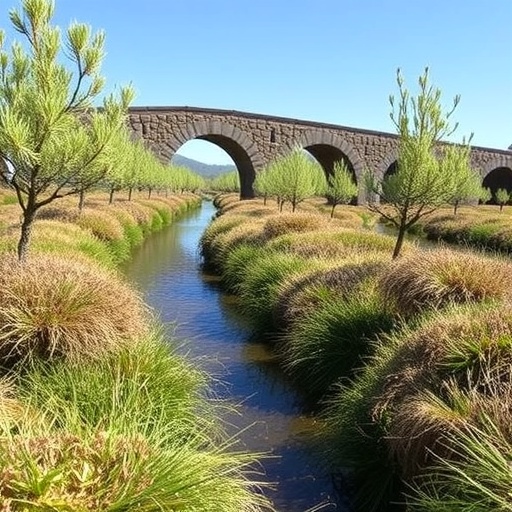
In recent centuries, European landscapes have endured significant ecological degradation largely due to intensified land use practices. Activities such as soil sealing, poorly managed erosion-prone land cultivation, and rapid surface water runoff have collectively diminished the natural water retention capacity inherent in these environments. These alterations compromise the landscapes’ ability to absorb and gradually release precipitation, thereby exacerbating flood risks during heavy rainfall and intensifying drought effects during dry spells. As climate variability increases, restoring these vital “sponge” functions has emerged as an essential strategy to mitigate both climate change impacts and biodiversity loss.
The EU-funded SpongeBoost project represents a groundbreaking approach toward addressing these challenges through nature-based solutions. By integrating policy support, ecosystem restoration, and adaptive land-use planning, SpongeBoost aims to enhance landscape water retention capabilities in line with the European Union’s Climate Adaptation objectives. Central to this initiative is the promotion and implementation of cost-effective techniques that mimic natural hydrological processes, such as improving soil permeability and reinstating vegetation cover, thereby reviving crucial sponge functions that manage surface and subsurface water flows.
To motivate and celebrate exemplary achievements in landscape restoration, SpongeBoost has inaugurated the “SpongeBooster of the Year” award. This accolade acknowledges projects that demonstrate innovative, scalable, and impactful interventions in sponge landscape rehabilitation. Recognized initiatives must excel in practical implementation, community engagement, education, and communication while fostering collaboration among stakeholders. By shining a spotlight on these pioneering efforts, SpongeBoost aims to catalyze further action and knowledge exchange across Europe.
The latest recipient of this prestigious award is a remarkable Spanish endeavor known as “Spongy Slopes,” undertaken by the Asociación Amigos de la Cornisa Este. Situated within the Parque de Santa Brígida in Camas, near Seville, this project addresses severe ecological degradation on two steep and erosion-prone slopes within a municipal park. Previously, these slopes suffered from stark soil erosion, diminished biodiversity, rapid runoff, and poor soil health—conditions that rendered the area vulnerable to environmental instability and ecological void.
Spongy Slopes has implemented a multi-faceted restoration paradigm grounded in nature-based engineering solutions. Specific measures include the construction of infiltration trenches designed to intercept and slow down surface water flow, direct seeding of native Mediterranean arboreal species to reestablish vegetation cover, and soil amelioration techniques that boost organic matter and nutrient content. Additionally, erosion control structures stabilize the terrain, preventing further soil loss. Collectively, these actions have revitalized the landscape’s water retention efficiency and restored ecological balance.
The hydrological improvements realized by Spongy Slopes are profound. By increasing the infiltration capacity of the soil and vegetation, precipitation is absorbed and retained longer within the landscape. This gradual release of water mitigates sudden runoff spikes that traditionally contribute to downstream flooding. Concurrently, the enhanced sponge effect sustains soil moisture levels during dry periods, strengthening resilience against drought stress. Moreover, habitat restoration has fostered notable biodiversity gains, with native flora flourishing and avian populations returning, thus enriching the ecosystem’s complexity and stability.
One of the exceptional features of the Spongy Slopes project is its strong community involvement. Approximately 250 volunteers have actively participated alongside local associations and municipal authorities to design, implement, and maintain restoration efforts. This embedded stakeholder engagement ensures that restoration is not only ecologically effective but also socially sustainable. By empowering local communities, the project exemplifies how grassroots mobilization can drive environmental stewardship and foster a collective sense of responsibility for landscape resilience.
The project underpins the potential of small-scale, locally driven interventions to deliver substantial ecological benefits beyond immediate riparian zones. The scalability of the techniques employed—low-cost infiltration trenches, direct seeding, and erosion mitigation—demonstrates that meaningful sponge effects can be achieved even on challenging terrains like steep slopes. This serves as a powerful model for replicability and adaptation in diverse European landscapes facing similar hydrological and ecological constraints.
SpongeBoost’s recognition of Spongy Slopes underscores the importance of visibility and knowledge dissemination in advancing climate adaptation strategies. By documenting and promoting successful restoration case studies, SpongeBoost helps break down barriers to implementation, enabling other regions to adopt these nature-based solutions. Highlighting projects that combine scientific rigor, practical applicability, and community collaboration accelerates the transition towards resilient, water-sensitive landscapes across the continent.
The “SpongeBooster of the Year” award will continue to spotlight innovative restoration initiatives in subsequent editions, with a new call for applications scheduled for fall 2026. This ongoing recognition program aims to build a robust network of practitioners, researchers, and policymakers dedicated to enhancing landscape sponge functions across Europe. The future focus will remain on cross-sectoral approaches that integrate ecological restoration with socio-economic considerations to maximize adaptation outcomes.
For more detailed information on the SpongeBoost project and its initiatives, interested readers can visit the official website at www.spongeboost.eu. Additionally, the project maintains an active presence on social media platforms such as LinkedIn, Instagram, and Bluesky, where updates, educational materials, and success stories are regularly shared to engage a broad audience.
Funded under the European Union’s Horizon Europe research and innovation program, SpongeBoost combines scientific research, policy development, and practical restoration techniques to respond to urgent environmental challenges. The interdisciplinary collaboration between research institutions, governmental bodies, non-governmental organizations, and local communities exemplifies a holistic approach essential for tackling the complex socio-ecological dimensions of climate change adaptation.
In summary, the Spongy Slopes initiative stands as a beacon of hope and innovation. It vividly illustrates the transformative potential of community-led, nature-based solutions to rehabilitate degraded landscapes while enhancing hydrological regulation and biodiversity. As Europe confronts escalating climatic and environmental uncertainties, projects like this pave the way toward sustainable and resilient landscape management, aligning ecological health with human well-being.
News Publication Date:
Not specified in the source text.
Web References:
- SpongeBoost official website: www.spongeboost.eu
- Asociación Amigos de la Cornisa Este Facebook group: https://www.facebook.com/groups/amigosdelacornisaeste/
- SpongeBoost social media: LinkedIn, Instagram, Bluesky (specific URLs provided in the original source)
Cite Scienmag News
Gavin Prescott. (February 25, 2026). Spain’s Community-Driven Restoration Emerges as a Model of Best Practice. Scienmag. https://scienmag.com/spains-community-driven-restoration-emerges-as-a-model-of-best-practice/
Gavin Prescott. "Spain’s Community-Driven Restoration Emerges as a Model of Best Practice." Scienmag, 25 February 2026, https://scienmag.com/spains-community-driven-restoration-emerges-as-a-model-of-best-practice/. Accessed 1 September 2026.
Gavin Prescott. "Spain’s Community-Driven Restoration Emerges as a Model of Best Practice." Scienmag. February 25, 2026. https://scienmag.com/spains-community-driven-restoration-emerges-as-a-model-of-best-practice/


