


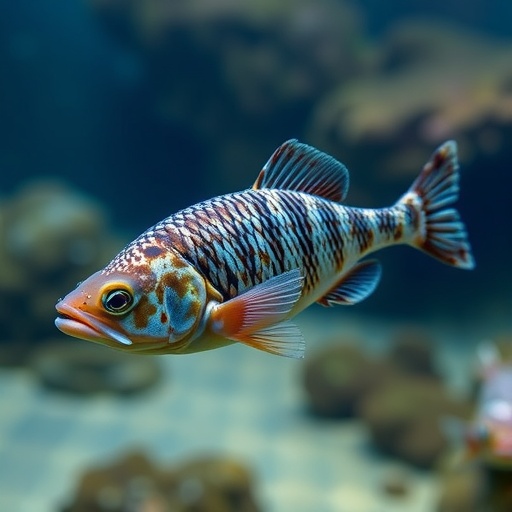
In a groundbreaking study published in the journal BMC Genomics, researchers have revealed profound insights into the population structure and adaptive evolutionary mechanisms of circadian entrainment within the endangered fish species, Percocypris pingi. As one of the less-explored members of the fish family Cyprinidae, this species has garnered attention due to its unique adaptations to habitat environments and its urgent conservation status. The research, involving a meticulous whole-genome resequencing strategy, includes significant findings that shed light not just on the genetic underpinnings of this species, but also on broader ecological implications as climate change continues to impact diverse aquatic environments.
The study was led by a collaborative team including Yan, T., Zheng, X., and Chang, M. Their work meticulously documented the population genetic structure of P. pingi across different geographical regions. Through the analysis of genomic data, the researchers have established a clearer understanding of this species’ genetic diversity, which is crucial given its classification as endangered. The findings also highlight the importance of genetic variation for the resilience and adaptability of populations facing rapid environmental changes.
One of the most intriguing aspects of this research is the focus on circadian entrainment, defined as the process by which organisms align their internal biological clocks with external environmental cues. For aquatic species like P. pingi, this adaptation is vital for synchronizing behaviors such as feeding and reproduction with the natural light cycles of their habitats. The research team utilized advanced genomic techniques to identify specific gene variations that likely play roles in circadian rhythm regulation, thus linking evolutionary mechanisms to observable behaviors in the wild.
By employing whole-genome sequencing methods, the researchers analyzed genetic material collected from various populations of P. pingi throughout its native range. This approach allowed them to construct a detailed picture of the genetic architecture of the species and to assess levels of gene flow and population connectivity. Their results indicated that geographical barriers and habitat fragmentation have significantly impacted the population structure, leading to isolated groups with limited genetic exchange, which in turn could affect the overall adaptability of the species.
In their findings, the researchers uncovered a remarkable heterogeneity in genetic markers associated with adaptive traits among different populations. Such variation underscores the role of local environmental conditions in shaping each group’s evolutionary trajectory. The distinct genetic signatures provide insights into how various P. pingi populations might respond to global changes, including altered water temperatures and changing photoperiods that could disrupt their natural rhythms.
Furthermore, the implications of this research extend beyond just the species itself; the study contributes to a growing body of evidence regarding the importance of conserving genetic diversity. Conservation strategies that prioritize the protection of genetically distinct populations may be more effective in ensuring the long-term survival of endangered species. By mapping the intricate relationship between genetic diversity and ecological resilience, the researchers provide a framework that can inform future interventions aimed at safeguarding P. pingi populations.
Another critical dimension of the study is the notion that the adaptive mechanisms observed might serve as a model for understanding similar processes in other endangered species. The insights gained from P. pingi can potentially illuminate broader ecological patterns associated with adaptation and survival in variable environments, offering a pivotal reference point for ichthyologists and conservationists alike. This dual focus on genetic and behavioral adaptation highlights a holistic approach needed for successful species recovery plans.
The research signifies a pivotal moment in the field of evolutionary genomics, especially as it pertains to the study of endangered aquatic species. It underscores how technological advancements, such as next-generation sequencing, can facilitate profound revelations about population dynamics and evolutionary processes. The authors emphasize the necessity for a multi-disciplinary approach that combines genetic data with ecological insight, thereby fostering a comprehensive understanding of how species evolve and adapt over time.
As climate change continues to pose unparalleled challenges to biodiversity, the study’s findings are more relevant than ever. They provide critical baseline data that can be harnessed to monitor the effects of environmental changes on P. pingi and similar species. As researchers strive to anticipate and mitigate the impacts of anthropogenic pressures, understanding the genetic factors that confer resilience to changing conditions becomes imperative.
Moreover, the researchers hope that their work will inspire further investigations into the genetic landscapes of other threatened species within freshwater ecosystems. Each aquatic habitat is home to unique assemblages of species, each with distinct ecological roles and evolutionary histories. The loss of any one of these species, particularly those that are already vulnerable, presents not just an ethical dilemma but also a significant loss of ecological stability.
The study published by Yan et al. serves as a clarion call for both the scientific community and the public alike, highlighting the urgency associated with conserving genetic diversity. Their research reiterates that the preservation of threatened species like P. pingi is a shared responsibility that requires concerted efforts on multiple fronts, including habitat conservation, pollution control, and effective management of freshwater resources.
In conclusion, the findings of this significant study not only unveil the genetic complexities of an endangered species but also emphasize the vital importance of exploring the interplay between genetics and environmental adaptation. The research on P. pingi stands as a testament to the resilience of nature amid human-induced pressures, inspiring hope for the future of biodiversity conservation. Through further inquiry and innovative conservation strategies, it is the researchers’ aspiration that P. pingi and its kin will continue to thrive in their natural habitats, ultimately achieving the balance necessary for sustainable coexistence with humanity.
Yan, T., Zheng, X., Chang, M. et al. Population structure based on whole-genome resequencing and adaptive evolutionary mechanisms of circadian entrainment in the endangered fish Percocypris pingi.
BMC Genomics (2026). https://doi.org/10.1186/s12864-025-12500-1
Cite Scienmag News
Juliet Wilcox. (January 13, 2026). Genetic Insights into Circadian Adaptation in Endangered Fish. Scienmag. https://scienmag.com/genetic-insights-into-circadian-adaptation-in-endangered-fish/
Juliet Wilcox. "Genetic Insights into Circadian Adaptation in Endangered Fish." Scienmag, 13 January 2026, https://scienmag.com/genetic-insights-into-circadian-adaptation-in-endangered-fish/. Accessed 5 September 2026.
Juliet Wilcox. "Genetic Insights into Circadian Adaptation in Endangered Fish." Scienmag. January 13, 2026. https://scienmag.com/genetic-insights-into-circadian-adaptation-in-endangered-fish/


