


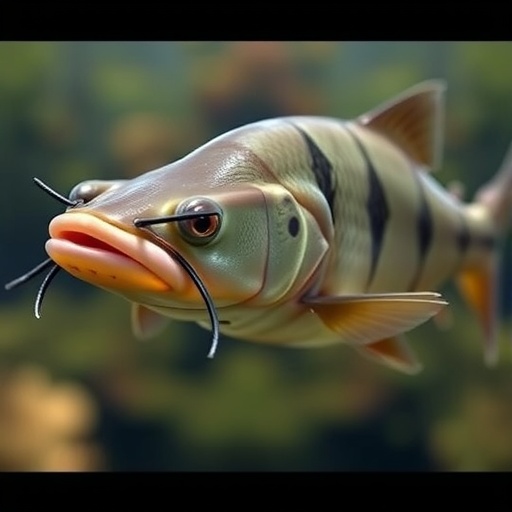
In recent years, the search for sustainable and effective feed sources in aquaculture has led to innovative research in insect protein, particularly focusing on the black soldier fly larvae, scientifically known as Hermetia illucens. This remarkable insect has emerged as a valuable life form due to its unique capacity to convert organic waste into protein-rich biomass. Researchers have been increasingly examining its role in enhancing the growth performance and flesh quality of commercially important fish species, with notable focus on the African catfish, Clarias gariepinus.
A recent study conducted by Hervé, Calice, and Dzepe brings significant insights into the benefits of incorporating black soldier fly larvae into the diet of African catfish. The researchers set out to explore the biochemical and physiological effects of this insect-based feed on the fish’s growth trajectory and flesh quality, providing an evidence-based perspective on an often-neglected area of aquaculture nutrition.
The findings from this study revealed that fish fed diets supplemented with black soldier fly larvae exhibited marked improvements in growth performance compared to those on traditional feed. Not only did the larvae enhance the overall growth rates, but they also contributed to better feed conversion ratios. These outcomes have profound implications for the aquaculture industry, particularly in addressing issues related to feed sustainability and fish health.
One key aspect of this research highlights how the amino acid profile of black soldier fly larvae aligns well with the dietary requirements of African catfish. With a high crude protein content, these larvae provide essential nutrients that foster optimal growth and development in fish. This is particularly pertinent considering the growing global demand for high-quality fish protein and the unsustainable pressures on fish feed derived from conventional sources, such as fishmeal.
Beyond growth performance, the study also delved into the effects of black soldier fly larvae on the flesh quality of African catfish. The incorporation of insect protein into the diet was found to improve several quality parameters of the fish flesh, including its texture, taste, and nutrient composition. This is particularly significant for market-oriented aquaculture, where consumer preferences often dictate the value of fish based on quality attributes rather than mere size.
Moreover, the researchers conducted a thorough analysis of the health implications of black soldier fly larvae consumption for African catfish. The results indicated that not only did the larvae contribute to improved growth rates and flesh quality, but they also seemed to enhance the overall health status of the fish. The dietary inclusion of these larvae was associated with lower stress levels and improved immune response, indicating a well-rounded benefit that extends beyond mere growth figures.
In terms of environmental sustainability, the use of black soldier fly larvae aligns with crucial ecological objectives. This insect thrives on organic waste, which means its farming could potentially reduce the burden on landfills and contribute to a circular economy. By transforming agricultural by-products into nutritious feed, black soldier fly larvae can aid in lessening the reliance on conventional feed ingredients that often lead to overfishing and habitat degradation.
The research also underscores the importance of understanding the biological mechanisms through which insect protein influences fish performance. The metabolic pathways involved in protein digestion and absorption can make or break the effectiveness of a feed source. The study highlighted how black soldier fly larvae being rich in specific fatty acids, vitamins, and minerals plays a vital role in enhancing the bioavailability of nutrients to the fish, thereby facilitating better growth potential.
Another intriguing element of the study is the economic feasibility of adopting black soldier fly larvae within aquaculture operations. The researchers discussed the relatively low cost of producing insect protein compared to traditional fish feed. This could present a significant shift in aquaculture economics, where lower feed costs could lead to higher profit margins for farmers.
Furthermore, the research emphasizes the need for wider acceptance of insect-based feeds among aquaculturists. While many sectors within agriculture have adapted to using insect protein, such as poultry and livestock production, aquaculture has lagged behind. As awareness grows about the benefits reflected in studies such as this, there is potential for broader implementation across various fish farming systems.
Policy support will be crucial in this transition. Governments and industry bodies must establish guidelines and frameworks that facilitate the integration of insect proteins into aquaculture feeds. By providing approval and endorsements for insect-based feed products, regulatory bodies can pave the way for innovative solutions to traditional feed challenges.
On a global scale, the introduction of black soldier fly larvae into aquaculture can aid in addressing food security issues. As populations swell and the demand for protein continues to surge, scientists, policymakers, and farmers must work collaboratively to develop sustainable and responsible feeding practices. This research indicates one promising pathway that could contribute significantly towards sustainable aquaculture.
As the study by Hervé, Calice, and Dzepe moves forward to influence future research directions, it establishes a foundational understanding of the multifaceted benefits that black soldier fly larvae can offer to the aquaculture sector. The potential economic, environmental, and health benefits underscore the importance of further exploration into alternative protein sources for fish farming.
In conclusion, this research opens new avenues for enhancing aquaculture sustainability, profitability, and fish health. As the industry shifts towards innovative solutions, integrating black soldier fly larvae into fish diets represents a crucial step in reimagining aquaculture practices for the future. With a growing body of evidence pointing towards the viability of insect-based feeds, the aquaculture landscape is set to transform, paving the way for a more sustainable and responsible approach to producing fish for a rapidly growing global population.
Hervé, M.K., Calice, M.D., Dzepe, D. et al. Black soldier fly (Hermetia illucens) larvae improve growth performance and flesh quality of African catfish (Clarias gariepinus).
Discov Anim 2, 9 (2025). https://doi.org/10.1007/s44338-024-00045-8
Cite Scienmag News
Drew Townsend. (December 21, 2025). Black Soldier Fly Larvae Boost African Catfish Growth. Scienmag. https://scienmag.com/black-soldier-fly-larvae-boost-african-catfish-growth/
Drew Townsend. "Black Soldier Fly Larvae Boost African Catfish Growth." Scienmag, 21 December 2025, https://scienmag.com/black-soldier-fly-larvae-boost-african-catfish-growth/. Accessed 4 September 2026.
Drew Townsend. "Black Soldier Fly Larvae Boost African Catfish Growth." Scienmag. December 21, 2025. https://scienmag.com/black-soldier-fly-larvae-boost-african-catfish-growth/


