


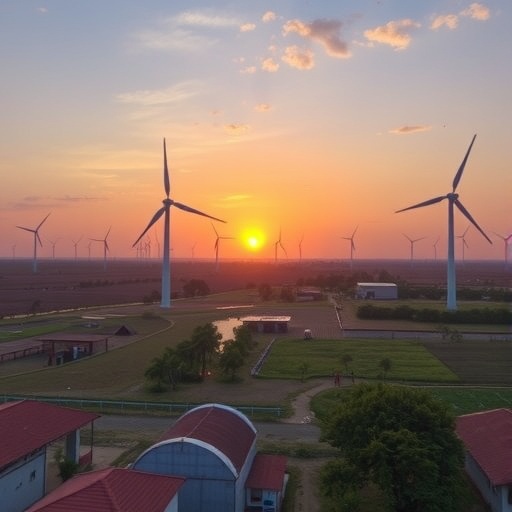
Wind energy has been gaining traction globally as a potent alternative to fossil fuels, offering substantial benefits in terms of sustainability and environmental preservation. In the context of Bangladesh, a country characterized by its growing energy needs and commitment to combat climate change, the momentum surrounding wind power is particularly noteworthy. Recent developments indicate a significant push towards harnessing wind energy as part of Bangladesh’s broader energy strategy. This strategy aims to mitigate energy scarcity while addressing pressing environmental issues.
Bangladesh’s geographical positioning lends itself to wind farm development. The country boasts an extensive coastline and several regions with high average wind speeds, making it a promising candidate for wind energy generation. Strategic investigations into wind patterns have confirmed the presence of viable wind resources, especially in coastal and offshore areas. This geographical advantage enables the potential to generate significant amounts of clean energy that could contribute heavily to the national grid.
Recent technological advancements in wind turbine design and efficiency are revolutionizing the industry’s landscape. Enhanced rotor designs and improved energy conversion systems allow for greater output even in low wind conditions. These developments ensure that wind energy becomes not only a feasible option but also a reliable one for countries like Bangladesh, which are just beginning to explore renewable energy potentials. Optimized turbine models could yield better energy generation, ensuring more consistent power supply in line with national demand.
However, challenges remain in the successful implementation of wind energy projects in Bangladesh. Regulatory hurdles, inadequate infrastructure, and insufficient investment have stymied progress. Policymakers must navigate complex regulatory landscapes to attract foreign investments while ensuring local participation in the wind energy sector. The interplay of policy and investment is crucial in realizing the sustainable vision set forth by the government. These elements must converge to create a conducive environment for wind energy to thrive.
In addition to the regulatory landscape, social acceptance plays a vital role in the widespread adoption of wind energy. Community engagement is essential to gain local support and mitigate potential resistance. Success stories from other nations highlight the importance of educating the populace about the benefits of wind energy and its role in climate change mitigation. Sensitive communication strategies can effectively address concerns related to land use, environmental impact, and economic benefits.
One powerful avenue through which wind energy can bolster Bangladesh’s economy is job creation. The construction and maintenance of wind farms require a significant workforce, thus generating employment opportunities in various sectors. Furthermore, a thriving renewable energy sector can inspire a wave of entrepreneurial ventures, leading to innovation and local business development. The implications are broad-ranging, providing not just job opportunities but also fostering local economic resilience.
As countries worldwide face the urgency of transitioning from fossil fuels, Bangladesh has an opportunity to position itself as a regional leader in renewable energy. Strategic partnerships with global industry leaders can facilitate technology transfer and capacity building, ensuring that the nation leverages international expertise while building its local capabilities. Collaborative frameworks can pave the way for shared knowledge in operational best practices, which is critical for a burgeoning energy sector.
The integration of wind energy into Bangladesh’s energy mix is not merely an environmental imperative; it is also a strategic necessity. Energy security is paramount, particularly in a region where traditional energy sources are under intense scrutiny. Developing a diverse energy portfolio mitigates risks associated with over-reliance on a single energy source. Wind energy, alongside other renewables, provides a pathway toward a more sustainable and resilient energy future.
Moreover, the alignment of wind energy development with Bangladesh’s Sustainable Development Goals (SDGs) presents a holistic approach to national development. The transition to wind energy directly supports several SDGs, including affordable and clean energy, climate action, and sustainable economic growth. By intertwining energy development with sustainable practices, Bangladesh can create a model that showcases the synergies between economic growth and environmental stewardship.
Looking ahead, robust policy frameworks will be necessary to support the wind energy sector’s growth trajectory. These unique frameworks should encompass incentives for renewable energy investments, streamlined permitting processes, and clear guidelines for project development. Transparent governance will not only attract investments but also strengthen community trust in the energy transition process.
Consumer awareness campaigns will also play a critical role in fostering a culture of sustainability within Bangladesh. By educating the public about the benefits of wind energy – from reducing greenhouse gas emissions to fostering energy independence – citizens can become proactive participants in the transition. Public engagement can accelerate change and drive demand for renewable energy solutions.
The path towards a wind-powered Bangladesh is paved with opportunities. Policymakers, industry stakeholders, and communities must collaboratively navigate the challenges ahead. If approached strategically, the expansion of wind energy can create a brighter, more sustainable future for Bangladesh, transforming its energy landscape and positioning the nation as a leader in the fight against climate change.
As regional and global pressures mount to mitigate carbon emissions, Bangladesh stands at a crossroads. The decisions made today regarding the future of wind energy development will have lasting impacts. Investing in wind energy is not just about meeting current needs; it is about securing a sustainable future for generations to come.
In conclusion, as Bangladesh advances towards a green economy, the incorporation of wind energy represents both a challenge and an opportunity. Despite the existing hurdles, the potential for growth in this sector is vast. With the right mix of policy support, community engagement, and technological innovation, wind energy can become a critical component of Bangladesh’s energy strategy, ensuring energy security and environmental sustainability for the years ahead.
Shahabuddin, M., Rahman, M.R., Zulkifli, N.W.M. et al. Wind energy in Bangladesh: recent developments, challenges and policy recommendations.Discov Sustain 6, 1388 (2025). https://doi.org/10.1007/s43621-025-02096-7
Cite Scienmag News
Faith Mcneil. (December 20, 2025). Advancements and Challenges in Bangladesh’s Wind Energy. Scienmag. https://scienmag.com/advancements-and-challenges-in-bangladeshs-wind-energy/
Faith Mcneil. "Advancements and Challenges in Bangladesh’s Wind Energy." Scienmag, 20 December 2025, https://scienmag.com/advancements-and-challenges-in-bangladeshs-wind-energy/. Accessed 3 September 2026.
Faith Mcneil. "Advancements and Challenges in Bangladesh’s Wind Energy." Scienmag. December 20, 2025. https://scienmag.com/advancements-and-challenges-in-bangladeshs-wind-energy/


