


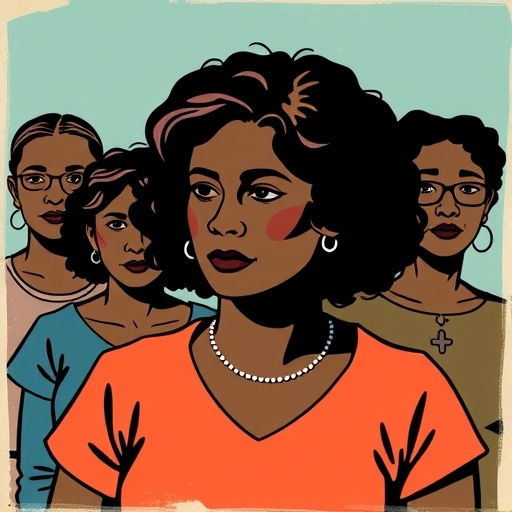
In an illuminating new study published in the International Journal for Equity in Health, researchers explore the pervasive impact of gender-based discrimination on women’s health perceptions across Burkina Faso, Ghana, and Tanzania. This qualitative investigation offers a harrowing glimpse into the lived realities of women in these diverse African contexts, underscoring the intricate ways in which systemic biases intertwine with cultural norms to erode health outcomes. The title itself—“It is because we women do not have a voice to be heard”—encapsulates the fundamental grievance articulated by many participants, positioning the absence of agency as a central determinant of health inequity.
The study’s methodological rigor is grounded in in-depth interviews and focus group discussions, enabling the researchers to capture nuanced personal narratives. Through this qualitative lens, the investigation moves beyond mere statistics, providing a textured understanding of how gender discrimination permeates various facets of everyday life, ultimately compromising both physical and mental health. The researchers employed thematic analysis to identify recurrent patterns, revealing common experiences of marginalization, restricted healthcare access, and internalized stigma.
One salient theme that emerged is the pervasive influence of entrenched patriarchal structures that silence women. Across Burkina Faso, Ghana, and Tanzania, women consistently reported limited autonomy in making healthcare decisions, often subordinated to the judgments of male family members or societal gatekeepers. This lack of voice not only impedes timely medical consultation but also exacerbates the psychological distress associated with illness. The study reveals that when women’s health concerns are dismissed or minimized, it fosters a climate of neglect and mistrust toward medical systems.
Beyond the interpersonal dynamics, institutional barriers fortified by gender bias were a recurring concern. Many participants described healthcare environments as spaces where disrespectful treatment and discrimination based on gender were normalized. This structural discrimination manifested in dismissive attitudes from healthcare providers, inadequate communication, and limited understanding of women-specific health issues. Such experiences discourage future healthcare seeking behavior, entrenching a vicious cycle detrimental to health equity.
The intersectionality of discrimination—involving gender, socio-economic status, ethnicity, and rural residence—further compounds health vulnerability. Women from marginalized communities faced amplified challenges due to compounded layers of exclusion. For instance, rural women frequently navigated logistical obstacles like long distances to clinics, financial hardships, and cultural restrictions on mobility. These factors conspired with gender discrimination to deepen health disparities.
Mental health surfaced as a critical yet often neglected dimension. The psychological toll of sustained gender discrimination, including feelings of powerlessness, shame, and invisibility, surfaced across narratives. Many women associated these experiences with chronic stress, anxiety, and depression, conditions often unrecognized or untreated within their communities. This underscores the urgent need for holistic healthcare models that integrate mental health support into primary care, especially in resource-constrained settings.
Education emerged as a powerful determinant in shaping women’s health agency. Participants with higher education levels described greater confidence in engaging with healthcare systems and advocating for their needs. Conversely, limited literacy and health knowledge were linked to heightened vulnerability. The study highlights that empowering women through education is essential to dismantle gendered health inequities.
Cultural norms and traditional beliefs played a dual role, both supporting community cohesion and perpetuating gender biases. While cultural frameworks provide identity and social support, some norms implicitly endorse male dominance and restrict women’s freedoms. This cultural dimension complicates interventions aiming to promote gender equity, necessitating culturally sensitive approaches that engage community leaders and stakeholders.
The research critically challenges the global health community to rethink policies and programs addressing women’s health in Sub-Saharan Africa. It advocates for gender-responsive health systems that prioritize women’s voices and agency. Such systems would incorporate gender sensitivity training for healthcare providers, community outreach to challenge harmful stereotypes, and mechanisms to ensure respectful, equitable care.
Furthermore, the study illustrates how amplifying women’s voices can serve as a catalyst for systemic change. Through storytelling and participatory engagement, women can assert their experiences and influence healthcare governance. This aligns with broader movements advocating for women’s rights and empowerment as foundational to health equity.
This qualitative inquiry also calls attention to the critical role of intersectional data in informing policy. By capturing diverse women’s experiences, the research paints a comprehensive picture of barriers and facilitators affecting health. This evidence base is crucial for designing interventions responsive to the multifaceted nature of gender discrimination.
Importantly, the findings resonate beyond the three countries studied, offering insights applicable to global health efforts targeting gender inequities. The study exemplifies how localized research can shape international discourse, contributing to Sustainable Development Goals related to health, gender equality, and reduced inequalities.
The authors emphasize collaboration between governments, civil society, and international partners as a pathway to dismantling entrenched inequalities. Investments in gender-sensitive health infrastructure, legal protections against discrimination, and education programs emerge as priority strategies. Concrete actions at community, national, and global levels are imperative to realize equity and justice in women’s health.
In conclusion, this groundbreaking study boldly foregrounds women’s voices from Burkina Faso, Ghana, and Tanzania, revealing how systemic gender-based discrimination profoundly affects health perceptions and outcomes. By centering women’s lived experiences, the research advances understanding of the social determinants of health and compels urgent, multifaceted action. The message is clear: to improve health equity, health systems must evolve to listen to, respect, and empower women as key stakeholders in their health and futures.
Cite Scienmag News
Courtney Benton. (December 19, 2025). Women’s Silence Fuels Gendered Health Inequities. Scienmag. https://scienmag.com/womens-silence-fuels-gendered-health-inequities/
Courtney Benton. "Women’s Silence Fuels Gendered Health Inequities." Scienmag, 19 December 2025, https://scienmag.com/womens-silence-fuels-gendered-health-inequities/. Accessed 3 September 2026.
Courtney Benton. "Women’s Silence Fuels Gendered Health Inequities." Scienmag. December 19, 2025. https://scienmag.com/womens-silence-fuels-gendered-health-inequities/


