


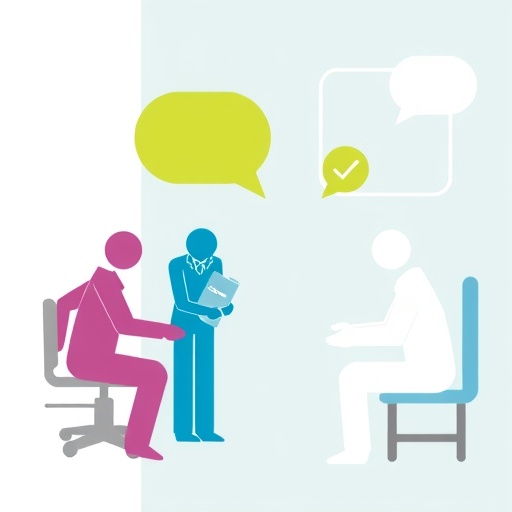
In the dynamic landscape of healthcare, the transition from hospital to home can be fraught with challenges. A crucial component of this transition is the effective communication of discharge medicine, a topic that has garnered increasing attention from both healthcare professionals and consumers alike. Understanding how to enhance this communication process is imperative for ensuring safer transitions of care. Recent research explored these perspectives, shedding light on best practices and potential pitfalls.
Central to the research were the roles of consumers and healthcare providers in the discharge process. Patients often find themselves overwhelmed with information at the time of discharge, which can lead to confusion regarding their medication regimens. Misunderstandings surrounding dosages, timing, and potential side effects can lead to serious health risks after leaving a clinical setting. The study highlights that patients want clarity and simplicity in communication regarding their medicines, which frequently becomes an overlooked aspect of care.
Healthcare professionals, on the other hand, face the challenge of delivering complex medical information in an understandable manner. The research emphasizes the necessity for healthcare providers to tailor their communication styles to meet the individual needs of their patients. The use of jargon and overly complicated explanations can alienate patients, increasing the likelihood of errors in medication adherence post-discharge. The study presents potential solutions to bridge this communication gap, presenting findings that could revolutionize discharge protocols.
Furthermore, the research delves into existing technologies and their potential role in improving communication about discharge medicines. With the increasing integration of digital health tools, the study suggests that platforms that allow for better information exchange can enhance understanding. Applications that provide reminders and detailed explanations of medication regimens could significantly mitigate the risks associated with medication errors. Leveraging technology could facilitate a more coherent narrative about discharge processes.
Patients’ lived experiences were a significant focus of the study. Interviews revealed that many individuals feel disengaged or unsupported during the discharge process. Several expressed a desire for more active involvement, emphasizing that they wished to have a voice in their own care. This power dynamic can ultimately affect their adherence to treatment plans. The importance of empowering patients cannot be overstressed, as an engaged patient is likely to take greater responsibility for their health outcomes.
Additionally, the research highlighted the emotional toll of transitioning from a healthcare facility to home care. Anxiety and uncertainty about managing health at home can weigh heavily on patients. The need for psychological support during this transition phase is vital, as it can influence the effectiveness of medication adherence. Addressing these emotional factors is just as crucial as the technical aspects of medication communication, representing a more holistic approach to patient care.
The findings of this research prompt a reevaluation of current practices in discharge planning. It challenges healthcare systems to consider how they can better prepare patients for the transition home. Strategies include enhanced training for medical staff on effective communication techniques and the inclusion of pharmacists in discharge planning to clarify medication regimens. Multi-disciplinary teams can play a pivotal role in ensuring that all aspects of a patient’s medications are addressed comprehensively.
Moreover, the study identified the issue of continuity of care as a critical element in the discharge process. Ensuring that patients have continuous support post-discharge is essential for their well-being. The lack of follow-up care can lead to a disconnect and increased risks of hospital readmission. Alignment with outpatient services should be a priority for healthcare institutions, providing patients with a safety net as they transition back to independent living.
Equally important is the role of family and caregivers in supporting patients after discharge. The research points out that family involvement can significantly enhance medication adherence and reduce the likelihood of errors. Educating caregivers is just as significant as providing information directly to patients. Collaboration between healthcare professionals and family members should be reinforced to create a cohesive support system.
Furthermore, the research suggests that feedback loops could enhance the discharge process. Gathering insights from patients about their experiences can provide invaluable information for healthcare providers. Understanding what worked well and what did not can inform ongoing improvements in the discharge process. Systems that actively seek patient input can cultivate a culture of continuous improvement, benefitting future patients.
As healthcare evolves, solutions derived from this research hold promise for creating a safer transition process for patients. By marrying technological innovations with empathetic communication practices, practitioners can transform how discharge is approached. The ultimate goal is to decrease medication errors and enhance overall patient care, ensuring that individuals feel informed and supported during their health journey.
Exploring the intersection of consumer perspectives and healthcare professional insights has opened avenues for a more collaborative approach to care transitions. By advocating for improved communication and support structures, stakeholders can significantly impact patient health outcomes. The balance of technological advancements with personalized care strategies presents a unique opportunity to refine the discharge process anew.
Ultimately, the evolution of discharge medicine communication is a collective responsibility. It requires commitment from healthcare organizations, providers, patients, and families alike. As this research demonstrates, fostering a more informed and engaged patient population, alongside robust professional support, can lead to superior health outcomes in the critical moments following hospitalization.
Now more than ever, it is essential to prioritize communication, clarity, and connection at every stage of the discharge process. Implementing the findings and recommendations from this research could serve as a catalyst for change, promoting safer, more effective transitions of care for patients around the globe.
Oldfield, L.E., Yong, F., Baysari, M. et al. Exploring consumer and healthcare professional perspectives on discharge medicine communication and solutions for safer transitions of care.
BMC Health Serv Res (2025). https://doi.org/10.1186/s12913-025-13900-5
Cite Scienmag News
Ophelia Keating. (December 16, 2025). Improving Discharge Medicine Communication for Safer Care. Scienmag. https://scienmag.com/improving-discharge-medicine-communication-for-safer-care/
Ophelia Keating. "Improving Discharge Medicine Communication for Safer Care." Scienmag, 16 December 2025, https://scienmag.com/improving-discharge-medicine-communication-for-safer-care/. Accessed 3 September 2026.
Ophelia Keating. "Improving Discharge Medicine Communication for Safer Care." Scienmag. December 16, 2025. https://scienmag.com/improving-discharge-medicine-communication-for-safer-care/


