


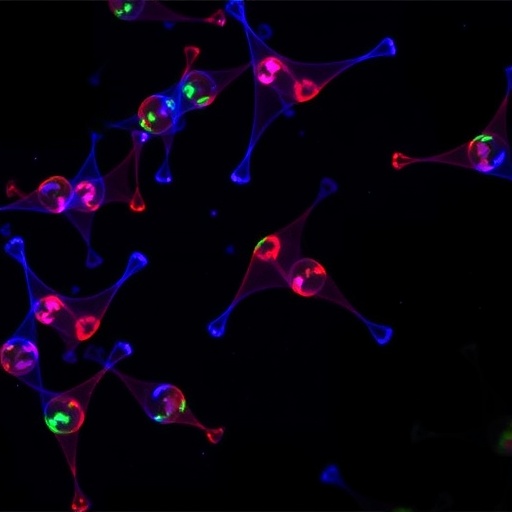
In a groundbreaking advancement that could revolutionize osteoarthritis treatment, scientists have unveiled a crucial role for the glycolytic enzyme PFKFB3 in mitigating DNA damage and cellular aging within chondrocytes. This discovery stems from extensive research led by Liu, Wang, Weng, and colleagues, culminating in a study published in Cell Death Discovery in 2025. The findings elucidate a novel biochemical mechanism underpinning chondrocyte senescence, a major cellular hallmark driving osteoarthritis progression, and highlight the therapeutic promise of targeting metabolic pathways to preserve joint integrity.
Osteoarthritis (OA) represents one of the most common degenerative joint disorders worldwide, inflicting debilitating pain and reducing mobility primarily in aging populations. At its core, OA is marked by the gradual breakdown of cartilage, the essential tissue cushioning bones in joints. Chondrocytes—the sole cellular inhabitants of cartilage—maintain the extracellular matrix but succumb to senescence triggered by diverse stressors, leading to impaired regeneration and heightened inflammation. Until now, the molecular drivers linking metabolic dysregulation to chondrocyte aging remained elusive.
The team focused their investigations on phosphofructokinase-fructose-bisphosphatase 3 (PFKFB3), an enzyme that regulates glycolytic flux by controlling levels of fructose-2,6-bisphosphate—a potent activator of the key glycolytic enzyme phosphofructokinase-1. Glycolysis is pivotal not only for energy production but also for cellular redox homeostasis, making PFKFB3 a critical metabolic node. Previous studies hinted at its involvement in cancer metabolism and immune cell function, but its role in chondrocyte physiology and osteoarthritis was unexplored.
Utilizing advanced molecular and cellular techniques, the researchers demonstrated that PFKFB3 expression is markedly reduced in osteoarthritic cartilage samples and in chondrocytes exposed to inflammatory cytokines. This downregulation coincided with increased markers of DNA damage and cellular senescence, such as γ-H2AX foci and senescence-associated β-galactosidase activity. By genetically restoring PFKFB3 levels, they found a significant reduction in DNA lesions and senescence markers, indicating a direct protective effect of this enzyme.
Mechanistic analyses revealed that PFKFB3 sustains glycolytic activity, which is essential for generating ATP and maintaining NAD+/NADH balance. This balance is crucial for the activity of sirtuins, a family of deacetylase enzymes known to regulate DNA repair pathways and suppress cellular senescence. When PFKFB3 was suppressed, metabolic shifts resulted in compromised sirtuin function, accumulation of DNA damage, and initiation of a senescence program.
Importantly, the study also established a link between PFKFB3 activity and reactive oxygen species (ROS) management in chondrocytes. The enzyme’s regulation of glycolysis allows efficient generation of reducing equivalents such as NADPH via the pentose phosphate pathway, which detoxify ROS. Loss of PFKFB3 impaired this antioxidant capacity, exacerbating oxidative DNA damage and forcing chondrocytes into a dysfunctional senescent state that amplifies local inflammation.
The authors extended their findings in vivo using a murine model of osteoarthritis, where pharmacological activation of PFKFB3 significantly attenuated cartilage destruction and improved joint function. Histological analysis confirmed reduced senescent cell burden and decreased expression of catabolic enzymes implicated in cartilage degradation. These compelling results highlight PFKFB3 as a promising drug target to modify disease course rather than just palliate symptoms.
Beyond its immediate implications for OA, this research underscores the broader concept that metabolic rewiring governs cellular aging and tissue degeneration. By pinpointing PFKFB3 as a vital regulator bridging metabolism, DNA repair, and senescence, the study opens new avenues for interventions in other age-related diseases where similar pathological pathways operate. The integration of metabolic therapies with conventional approaches could herald a new era of regenerative medicine.
Critically, the study employed cutting-edge genomic editing, live-cell imaging, and metabolomics to dissect the complex interplay between metabolic enzymes and genome integrity in situ. This comprehensive methodology provides a robust framework to explore metabolic targets with high specificity and translational relevance. Future investigations will need to explore the long-term safety and efficacy of modulating PFKFB3 and decipher its role in human joints across diverse patient demographics.
Moreover, understanding how systemic metabolic states such as diabetes and obesity influence PFKFB3 function in chondrocytes could yield crucial insights given the high comorbidity between metabolic syndrome and OA severity. This underscores the potential of lifestyle and pharmacological interventions that restore metabolic balance as adjuncts to OA management.
The findings also raise intriguing questions about how age-associated declines in glycolytic enzyme expression contribute to the chronic, low-grade inflammation described as inflammaging, which exacerbates tissue deterioration. Targeting nodes like PFKFB3 may interrupt this vicious cycle, promoting healthier aging and tissue resilience.
In sum, this study illuminates a vital metabolic safeguard that preserves chondrocyte health by orchestrating energy production, antioxidant defense, and DNA repair. Its disruption accelerates senescence and cartilage degeneration, major drivers of osteoarthritis pathogenesis. By advancing our molecular understanding, Liu and colleagues have identified PFKFB3 as a master regulator and novel therapeutic target whose activation could redefine osteoarthritis treatment strategies.
As the global population ages, osteoarthritis prevalence is poised to rise dramatically, creating an urgent need for disease-modifying treatments. This research represents a beacon of hope, transforming conceptual paradigms about cellular metabolism in joint health and offering a tangible path toward innovative therapeutics that restore youthful cellular function and hamper degenerative remodeling.
Ongoing and future clinical trials investigating compounds that modulate PFKFB3 activity will be pivotal in translating these promising preclinical outcomes into patient benefits. Meanwhile, the study invigorates the scientific community’s quest to harness metabolism for maintaining genome stability and preventing chronic diseases. The intersection of glycolytic control, DNA repair, and senescence presents an exciting frontier poised for rapid advances.
In conclusion, the elucidation of PFKFB3’s protective role against DNA damage and chondrocyte senescence in osteoarthritis marks a monumental stride in biomedical research. Targeting metabolic vulnerabilities within aging cartilage cells emerges as a groundbreaking therapeutic paradigm, heralding a future where joint degeneration can be arrested or even reversed at the cellular level. This transformative insight not only advances OA biology but sets the stage for novel approaches across numerous age-related conditions.
Cite Scienmag News
Beatrice Stafford. (December 11, 2025). PFKFB3 Enzyme Protects Cartilage Cells in Osteoarthritis. Scienmag. https://scienmag.com/pfkfb3-enzyme-protects-cartilage-cells-in-osteoarthritis/
Beatrice Stafford. "PFKFB3 Enzyme Protects Cartilage Cells in Osteoarthritis." Scienmag, 11 December 2025, https://scienmag.com/pfkfb3-enzyme-protects-cartilage-cells-in-osteoarthritis/. Accessed 4 September 2026.
Beatrice Stafford. "PFKFB3 Enzyme Protects Cartilage Cells in Osteoarthritis." Scienmag. December 11, 2025. https://scienmag.com/pfkfb3-enzyme-protects-cartilage-cells-in-osteoarthritis/


