


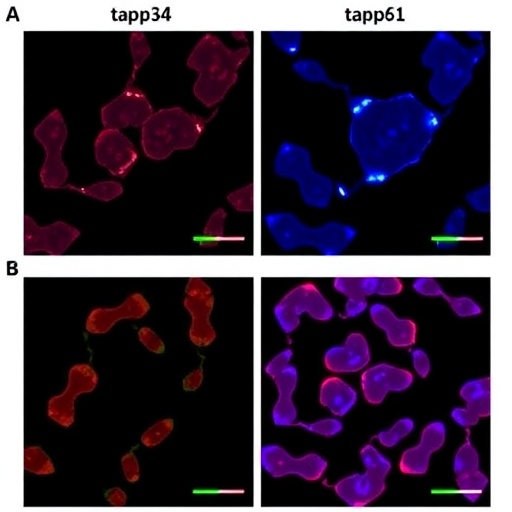
In a groundbreaking study, researchers have uncovered pivotal insights into the genetic underpinnings of primary ovarian insufficiency (POI), a condition that affects a significant portion of women worldwide, leading to infertility and various hormonal imbalances. The focus of this investigation centers on a truncating variant of TAp63alpha, a critical player in cellular processes, particularly its role in apoptosis and stress response pathways. By examining the implications of this genetic variant, the study aims to provide a clearer understanding of POI mechanisms, potentially guiding future therapeutic strategies.
Tap63alpha, a member of the p53 family of proteins, is known for its functions in cell growth, development, and apoptosis. Its role becomes particularly significant within the ovaries, where it contributes to the regulation of ovarian follicle development and the maintenance of oocyte integrity. The truncating variant identified in this study raises important questions about its impacts on normal physiological functions, including how it may influence the apoptotic processes in ovarian cells.
Researchers began by isolating DNA samples from a cohort of women diagnosed with POI. The genetic analysis revealed the presence of a truncating mutation in the TAp63alpha gene in a significant subset of these patients. This finding substantiates the hypothesis that genetic alterations can have profound effects on ovarian function and can lead to the onset of POI at an early age, which is a concern for reproductive health across diverse populations.
The study meticulously detailed the cellular mechanisms affected by the TAp63alpha truncating variant. Functional assays revealed that cells expressing the mutant form exhibited a markedly lower rate of apoptosis compared to their wild-type counterparts. This reduced apoptotic index suggests that the variant may impair the normal cellular turnover necessary for maintaining healthy ovarian function. Consequently, this could lead to an accumulation of dysfunctional oocytes and contribute to the development of POI.
One of the notable aspects of this research is its conformity with existing literature highlighting the significance of apoptosis in ovarian physiology. Apoptosis serves as a critical regulatory mechanism in ovarian follicles, ensuring that only the healthiest oocytes proceed through development. By reducing the apoptotic rate, the TAp63alpha variant could disrupt this equilibrium, resulting in an overabundance of suboptimal oocytes, further complicating the reproductive challenges faced by affected individuals.
As the study progresses, researchers are keen to explore the broader implications of these findings. Understanding the biological pathways influenced by TAp63alpha provides a compelling basis for developing targeted therapies. By reversing or compensating for the effects of this truncating mutation, there could be potential avenues for ameliorating the symptoms of POI, thereby enhancing fertility options for women diagnosed with this condition.
Moreover, the researchers have engaged in preliminary discussions about potential gene therapy approaches that could be utilized to counteract the effects of such mutations. Given the advancements in CRISPR technology and related gene editing tools, the dream of correcting pathogenic variants is becoming more attainable. However, researchers caution that any therapeutic approaches must be thoroughly evaluated for both efficacy and safety before translation to clinical settings.
The implications of this research extend beyond POI and touch upon broader topics in reproductive health and genetics. The discovery emphasizes the importance of genetic screening in women who present with symptoms of POI, reinforcing the necessity of personalized medicine in effectively treating reproductive disorders. Establishing genetic precedents will pave the way for innovative treatments that could restore ovarian function and fertility.
In the research community, this study opens the door to future inquiries into other genetic factors that may contribute to POI and similar reproductive conditions. By assembling a body of evidence that connects specific genetic mutations with clinical outcomes, researchers can better guide screening protocols and potential therapeutic interventions.
In summary, the identification of the TAp63alpha truncating variant marks a pivotal advancement in understanding primary ovarian insufficiency. By linking genetic alterations with cellular apoptotic processes, the research not only illuminates risk factors but also lays down a framework for potential therapeutic avenues. Such insights are invaluable, reinforcing the need for continued exploration of genetic factors in reproductive health.
While the findings are certainly promising, the journey from laboratory discovery to clinical application is nuanced. Further studies will be essential in validating these results across larger, more diverse populations. As the dialogue surrounding the genomics of ovarian health evolves, researchers are hopeful that such discoveries will ultimately lead to improved reproductive outcomes for women facing the challenges posed by primary ovarian insufficiency.
As ongoing research unfolds, there is a collective anticipation within the scientific community for the developments that will come next. The intersection of genetics, reproductive health, and personalized medicine will undoubtedly yield profound implications for both future research endeavors and clinical applications surrounding ovarian insufficiency.
Cite Scienmag News
Juliet Wilcox. (December 11, 2025). TAp63alpha Variant Reduces Apoptosis in Ovarian Insufficiency. Scienmag. https://scienmag.com/tap63alpha-variant-reduces-apoptosis-in-ovarian-insufficiency/
Juliet Wilcox. "TAp63alpha Variant Reduces Apoptosis in Ovarian Insufficiency." Scienmag, 11 December 2025, https://scienmag.com/tap63alpha-variant-reduces-apoptosis-in-ovarian-insufficiency/. Accessed 6 September 2026.
Juliet Wilcox. "TAp63alpha Variant Reduces Apoptosis in Ovarian Insufficiency." Scienmag. December 11, 2025. https://scienmag.com/tap63alpha-variant-reduces-apoptosis-in-ovarian-insufficiency/


