


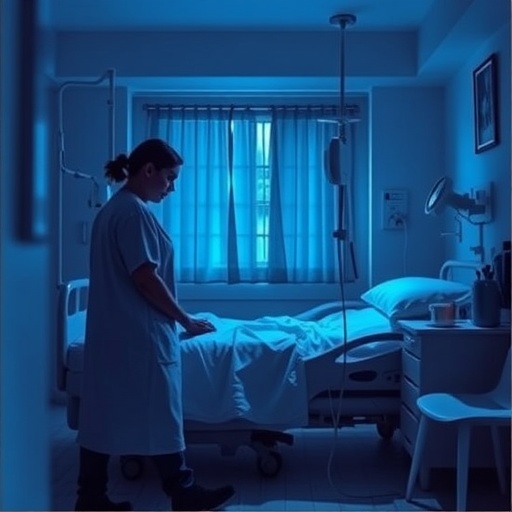
Invisible nursing care is a concept that has started gaining significant attention in the nursing community, as highlighted in the recent analysis by Gougjehyaran, Amanollahzadeh, and Danaloo published in BMC Nursing. This phenomenon encompasses the contributions made by nurses that are often overlooked and underestimated. It includes actions that occur behind the scenes but play a critical role in patient care and recovery. The analysis shines a light on the unrecognized aspects of nursing practices, challenging the traditional perceptions of nursing roles in healthcare.
A frequent misconception is that nursing primarily revolves around direct patient interaction or visible task completion. However, the analysis presents a more nuanced understanding of nursing that integrates both visible and invisible elements. The invisible aspects of nursing encompass not only the technical skills that may not be immediately apparent but also the emotional and psychological support provided to patients. This supportive care is pivotal in fostering trust and ensuring patient well-being.
The significance of invisible care emerges particularly in high-stress environments such as hospitals, where the flurry of activities often overshadows the subtle yet essential contributions nurses make. For instance, nurses often engage in critical thinking and decision-making behind the scenes, influencing patient outcomes in ways that are not always readily observable. This facet of nursing is particularly essential in emergency settings, where split-second decisions can save lives.
Moreover, invisible nursing care includes preventive measures that are integral to overall health management but may not be overtly recognized. Educating patients about self-care practices, monitoring medication adherence, and advocating for patient needs within multidisciplinary teams are prime examples of this type of care. These activities contribute significantly to health management outcomes, ensuring that patients are equipped to manage their health independently post-discharge.
The psychological dimension of nursing care, although less visible, is equally critical. Emotional support offered by nurses can aid in reducing patient anxiety and promoting a sense of security. This role is especially important during sensitive moments such as delivering bad news or dealing with chronic illnesses. Nurses often become the reliable figures that patients turn to for comfort, guidance, and understanding, which is a pivotal part of the patient experience yet frequently unacknowledged in the broader healthcare narrative.
Further complicating matters, the invisibility of certain nursing tasks can lead to a lack of recognition from other healthcare professionals and stakeholders. This oversight can impact funding, resources, and institutional support directed towards nursing roles. By highlighting the importance of invisible nursing care, researchers hope to advocate for a recognition of these contributions and better allocate resources to support such critical aspects of patient care.
The analysis also delves into the implications of this invisibility for nurse education and professional development. It argues for incorporating training that emphasizes both the visible and invisible facets of nursing. By educating future nurses about the importance of the unseen tasks and emotional labor that their role encompasses, the field can work towards a more comprehensive understanding of nursing’s value in health care systems.
Another critical aspect brought to light in this analysis is the potential impact of underappreciating invisible nursing care on job satisfaction and mental health among nurses. When nurses feel that their efforts go unnoticed, it can lead to burnout and decreased morale. By recognizing and valuing both visible and invisible elements of care, institutions can help foster a more supportive work environment that enhances job satisfaction and ultimately improves patient care.
Notably, the findings from this concept analysis resonate beyond nursing, addressing broader issues of invisibility in professional practices across various fields. The distinctions between visible and invisible contributions make a compelling case for the need to reassess recognition frameworks in all sectors. The impact of unsung efforts plays a crucial role not only in health care but in any domain where teamwork and emotional labor are prevalent.
In conclusion, the concept of invisible nursing care invites a re-evaluation of how the contributions of nursing are perceived and valued within health care systems. By drawing attention to the multifaceted roles nurses play — from the overt, hands-on care to the subtle supportive actions — the analysis encourages a more holistic view of nursing. Recognizing and valuing both dimensions can lead to improved practices, job satisfaction, and patient outcomes, ultimately enhancing the healthcare experience.
This analysis is a noteworthy step towards understanding the full scope of nursing care, advocating for the recognition of invisible tasks that sustain patient care and health management. As the nursing profession continues to evolve in response to emerging health challenges, concepts like these will become increasingly vital in shaping the future of nursing and ensuring that all elements of care are honored and valued.
Cite Scienmag News
Ophelia Keating. (November 30, 2025). Unseen Nursing Care: An In-Depth Analysis. Scienmag. https://scienmag.com/unseen-nursing-care-an-in-depth-analysis/
Ophelia Keating. "Unseen Nursing Care: An In-Depth Analysis." Scienmag, 30 November 2025, https://scienmag.com/unseen-nursing-care-an-in-depth-analysis/. Accessed 4 September 2026.
Ophelia Keating. "Unseen Nursing Care: An In-Depth Analysis." Scienmag. November 30, 2025. https://scienmag.com/unseen-nursing-care-an-in-depth-analysis/


