

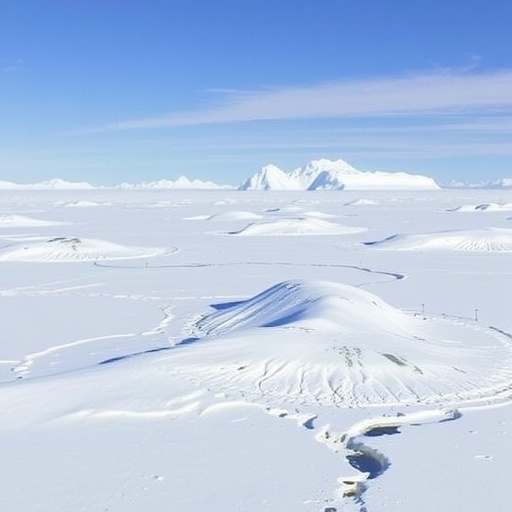
In a groundbreaking study published in Ambio: A Journal of Environment and Society, an international team of scientists led by Professor Gail Whiteman of the University of Exeter Business School underscores a critical yet underappreciated dimension of climate change: its profound impact on global human health via transformations occurring in Earth’s polar regions. This research brings to light an intricate web of physical and biological interactions precipitated by warming in the Arctic and Antarctic that reverberate far beyond these icy frontiers, amplifying health risks on a planetary scale.
The polar regions are experiencing warming at rates that exceed the global average, a phenomenon that triggers cascading feedback loops and tipping points with wide-ranging consequences. These changes induce shifts in global atmospheric and oceanic circulation patterns, such as weakened jet streams and disrupted ocean currents, which in turn intensify extreme weather events worldwide. The study meticulously synthesizes data from climatology, epidemiology, and environmental science to propose a comprehensive framework that elucidates how polar dynamics translate into expanded burdens of disease and health vulnerabilities, showcasing the urgency for an interdisciplinary approach in addressing this multifaceted crisis.
A significant consequence of polar warming is the alteration of weather phenomena such as El Niño–Southern Oscillation (ENSO) events. The increasingly ice-free Arctic summer is projected to escalate the frequency and intensity of El Niño episodes, exacerbating heatwaves particularly across tropical and subtropical regions. Such thermal extremes directly contribute to elevated incidences of heat-related illnesses, cardiovascular stress, renal pathologies, and associated mortalities across vulnerable populations, thereby exacerbating pre-existing global health disparities.
Sea level rise, predominantly driven by accelerated ice-sheet melt in polar zones, presents another crucial vector of health risk. Higher sea levels lead to increased intrusion of saline water into freshwater aquifers, resulting in contamination of drinking water supplies. This salinization has notable implications for maternal and infant health, particularly through increased prevalence of pre-eclampsia—a dangerous hypertension disorder during pregnancy—as well as heightened infant mortality rates and elevated risks for various cancers due to exposure to contaminated environments.
Moreover, the disruption of rainfall patterns and temperature regimes linked to polar climate change threatens global agricultural productivity. These changes jeopardize food security by impacting crop yields and nutrient density, thereby intensifying malnutrition and related diseases globally. As food systems falter under such climatic stresses, populations dependent on stable agricultural outputs are particularly susceptible to undernutrition, stunting, and subsequent long-term developmental impairments.
The ecological shifts induced by warming polar temperatures also facilitate the northward and southward expansion of vector-borne diseases. Pathogens carried by insects and animals—including vibriosis, dengue fever, and Lyme disease—are infiltrating previously unaffected regions due to rising temperatures and altered habitats. This geographical spread magnifies public health challenges as populations and healthcare systems in these newly affected areas may lack adequate preparedness and immunity.
Flooding intensified by ice melt-induced sea level rise further propagates waterborne diseases such as cholera and typhoid fever. These events also exacerbate respiratory diseases due to increased mold and pollutant exposure. Such environmental changes strain healthcare infrastructure, especially in regions lacking robust disease surveillance and sanitation systems, thereby amplifying morbidity and mortality risks during and following extreme weather episodes.
Within the Arctic itself, the melting of permafrost and sea ice poses dire threats to critical infrastructure, food systems, and community health. The thawing permafrost risks releasing sequestered pollutants and dormant pathogens, including potentially dangerous viruses like the 1918 influenza strain. These emergent biohazards could have unforeseen ramifications, complicating public health responses and underscoring the need for vigilant monitoring and rapid scientific intervention.
The polar ocean ecosystems undergo considerable transformation as well, with biodiversity and fish stocks experiencing shifts that undermine traditional food security for indigenous and local Arctic communities. Such dietary disruptions elevate incidences of malnutrition, miscarriages, kidney failure, and cardiovascular diseases in populations already burdened by limited healthcare access and infrastructural fragility. These vulnerabilities highlight the intersection of environmental change and social determinants of health within polar regions.
The study emphasizes the insufficiency of current climate and health assessment models, which often exclude these complex polar-driven pathways. By integrating polar feedback mechanisms into global health impact assessments, researchers and policymakers can more accurately forecast future risks and design resilient health systems. This comprehensive framework serves as a clarion call for urgent interdisciplinary collaboration among climate scientists, public health experts, and data analysts to prepare adaptive strategies.
Professor Whiteman stresses that ignoring these polar-derived health risks is no longer tenable. The interconnectedness of climate phenomena means that polar changes are not remote environmental curiosities but proximal factors driving illness and systemic healthcare disruptions worldwide. Building international coalitions that bridge disciplinary divides will be essential to mitigating these threats and safeguarding global health in an era of rapid environmental upheaval.
Funded by the Wellcome Trust, the collaborative project involving the University of Exeter, Arctic Basecamp, and the World Economic Forum seeks to pioneer new impact assessment tools tailored to capture the nuanced ways polar climatic tipping points modulate global health outcomes. This initiative aims to enhance resilience strategies targeted at the most susceptible regions and populations by embedding polar climate dynamics into public health frameworks and risk analyses.
As the world grapples with climate change, this revelatory research expands the horizon of concern beyond traditional carbon metrics and temperature rises to encompass the often overlooked but critical pathways through which polar warming imperils human health globally. The intricate linkages outlined in this novel framework demand that future climate policy and health planning move beyond siloed approaches, toward integrated systems capable of addressing these emerging, interconnected crises.
News Publication Date: 7-Nov-2025
Web References:
References:
- Whiteman, G. et al. (2025). A framework for assessing global health impacts of polar change: An urgent call for interdisciplinary research. Ambio.
Cite Scienmag News
SCIENMAG. (November 11, 2025). Study Warns: Climate Change in Polar Regions May Intensify Global Health Risks. https://scienmag.com/study-warns-climate-change-in-polar-regions-may-intensify-global-health-risks/
SCIENMAG. "Study Warns: Climate Change in Polar Regions May Intensify Global Health Risks." Scienmag, 11 November 2025, https://scienmag.com/study-warns-climate-change-in-polar-regions-may-intensify-global-health-risks/. Accessed 28 August 2026.
SCIENMAG. "Study Warns: Climate Change in Polar Regions May Intensify Global Health Risks." Scienmag. November 11, 2025. https://scienmag.com/study-warns-climate-change-in-polar-regions-may-intensify-global-health-risks/


