


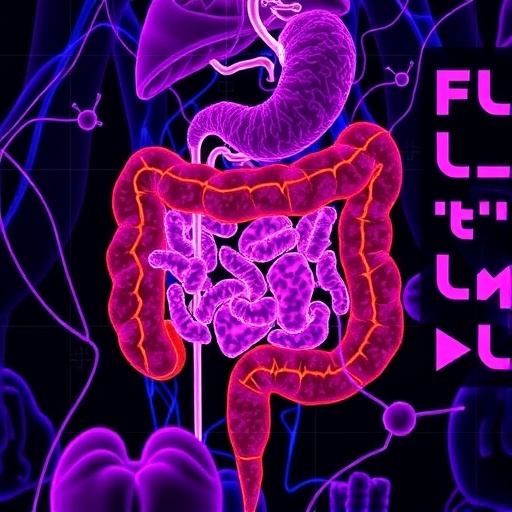
In a groundbreaking new study published in Food Science and Biotechnology, researchers have unveiled the potent therapeutic effects of 2’-Fucosyllactose (2’-FL) in combating nonalcoholic steatohepatitis (NASH), a severe form of liver disease closely linked with obesity and metabolic syndrome. NASH has long challenged clinicians worldwide due to its complex pathophysiology, and this study offers a glimmer of hope by demonstrating how 2’-FL, a naturally occurring human milk oligosaccharide, can significantly alleviate liver inflammation and damage by targeting and remodeling the gut microbiota.
Nonalcoholic steatohepatitis represents an advanced stage of nonalcoholic fatty liver disease and is characterized by liver fat accumulation along with inflammation and varying degrees of fibrosis. Conventional treatments have remained elusive as the etiology of NASH intertwines metabolic factors with gut-liver axis disturbances. The present study focuses on the impact of 2’-FL on a choline-deficient fat diet (CDFD)-induced NASH model in mice, elucidating critical mechanistic insights into how modulating the microbiome can translate into hepatic benefits.
The authors synthesized 2’-FL, a trisaccharide known for its immunomodulatory capabilities in infants, and administered it to mice subjected to a CDFD, a widely accepted method to induce NASH and simulate the pathological milieu seen in humans. Over a 12-week intervention period, 2’-FL supplementation mitigated the hallmark pathological features of NASH including steatosis, hepatocyte ballooning, and immune cell infiltration. Remarkably, these improvements correlated with pronounced shifts in the composition of the intestinal microbiota, establishing a profound link between microbial ecology and liver health.
Detailed metagenomic sequencing revealed that 2’-FL administration enriched beneficial bacterial taxa such as Bifidobacterium and Lactobacillus, known producers of short-chain fatty acids (SCFAs) and crucial modulators of gut barrier integrity. The study posits that these microbial shifts lead to the restoration of gut barrier function, thereby reducing the translocation of bacterial endotoxins such as lipopolysaccharides (LPS) into the portal circulation, which is a critical driver of hepatic inflammation in NASH.
Furthermore, the team’s investigation uncovered that 2’-FL downregulated pro-inflammatory cytokines including TNF-α and IL-6 in liver tissue, illustrating its systemic anti-inflammatory properties. Coupled with improved liver enzyme profiles, these data suggest that 2’-FL directly modulates immune pathways both locally in the gut and distally in the liver, highlighting the intertwined nature of the gut-liver axis in metabolic disease.
One of the standout findings of the research is the demonstration that 2’-FL’s benefits surpass simple dietary intervention, acting as a prebiotic that selectively nourishes beneficial microorganisms. This not only curbs pathogenic bacterial overgrowth but also enhances microbial diversity, which has been consistently associated with better metabolic outcomes. The authors argue that 2’-FL supplementation represents a novel microbiome-targeted therapeutic strategy for metabolic liver disease without the adverse effects commonly seen with pharmacological agents.
The methodology included a comprehensive array of analytical techniques ranging from histopathological scoring of liver sections to cutting-edge 16S rRNA gene sequencing, providing robust and multifaceted evidence for the role of 2’-FL in NASH management. Liver histology revealed marked reduction in fibrosis scores post-treatment, underscoring the potential of 2’-FL to reverse fibrotic progression which remains a critical unmet need in clinical hepatology.
Importantly, the safety profile of 2’-FL was thoroughly assessed, with no observable toxicity or adverse metabolic effects noted in the treated mice. This safety and tolerance aspect adds a translational advantage to 2’-FL, especially considering its natural presence in human breast milk, suggesting potential for future clinical trials in human subjects suffering from NASH.
The study also delves into the biochemical pathways through which 2’-FL exerts its effects. The authors highlight the upregulation of SCFA production and consequent activation of G-protein-coupled receptors (GPCRs) involved in maintaining intestinal homeostasis. This crosstalk between microbial metabolites and host receptors elucidates a critical mechanism by which 2’-FL orchestrates systemic metabolic benefits, bridging microbiome modulation with host physiology.
Looking forward, this research paves the way for new interventions in liver metabolic diseases by targeting the gut microbiota with defined oligosaccharides. While animal models have inherent limitations, the translational potential of these findings is immense, especially as gut microbiome modulation gains traction as a therapeutic frontier. Future clinical studies will illuminate the efficacy and dosing strategies necessary for incorporating 2’-FL into therapeutic regimens for patients with NASH.
The implications of these findings extend beyond liver disease. Given that the gut microbiome influences a spectrum of metabolic and inflammatory conditions, 2’-FL and similar oligosaccharides may emerge as versatile modulators in diseases ranging from diabetes to inflammatory bowel disease. The integrative approach combining dietary supplementation with microbial ecology represents a paradigm shift in personalized medicine.
This pioneering work underscores a fundamental concept in modern biomedical research: the gut microbiome is a modifiable determinant of systemic health. Harnessing natural molecules such as 2’-FL found in human milk not only unlocks therapeutic potential but also reaffirms the wisdom embedded in evolutionary biology. The study is a testament to the intersection of nutrition science, microbiology, and hepatology driving innovative treatment modalities.
In conclusion, the study by Zhang, Cheng, Chen, and colleagues is a seminal contribution to metabolic liver disease research. By illuminating how 2’-Fucosyllactose remodels gut microbiota, restores intestinal barrier function, attenuates hepatic inflammation, and reverses fibrosis in a NASH model, it opens novel avenues for treatment. This natural compound offers hope for an accessible, effective, and safe therapeutic option against a condition that currently lacks FDA-approved drugs.
The scientific community and clinicians alike will be watching closely as further investigations translate these promising findings from bench to bedside. The era of microbiome-centric therapeutics is emerging rapidly—and 2’-FL could well become a cornerstone molecule in the management of chronic liver diseases and beyond, heralding a new dawn in metabolic health interventions.
Cite Scienmag News
Daisy Hatcher. (November 10, 2025). 2’-Fucosyllactose Reverses NASH by Gut Flora Remodeling. Scienmag. https://scienmag.com/2-fucosyllactose-reverses-nash-by-gut-flora-remodeling/
Daisy Hatcher. "2’-Fucosyllactose Reverses NASH by Gut Flora Remodeling." Scienmag, 10 November 2025, https://scienmag.com/2-fucosyllactose-reverses-nash-by-gut-flora-remodeling/. Accessed 5 September 2026.
Daisy Hatcher. "2’-Fucosyllactose Reverses NASH by Gut Flora Remodeling." Scienmag. November 10, 2025. https://scienmag.com/2-fucosyllactose-reverses-nash-by-gut-flora-remodeling/


