

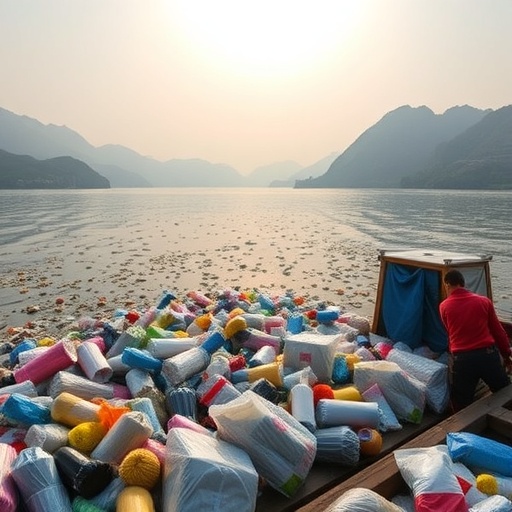
In a groundbreaking study, researchers have shed light on the increasingly alarming issue of plastic pollution emanating from significant rivers, particularly the Yangtze River. This critical investigation highlights the river’s role as a primary conduit through which small plastic particles are discharged into the ocean. The findings signal a call to action, emphasizing the urgent need for immediate environmental policy reforms and advanced waste management strategies to combat this escalating crisis.
As urbanization and industrialization have accelerated across various regions, the management of plastic waste has lagged behind, leading to a dramatic increase in plastic debris in aquatic environments. The Yangtze River, recognized as one of the longest rivers in the world, has now been prominently identified as a substantial source of this contamination. In their study, the research team meticulously examined the river’s systems, focusing on several tributaries that contribute to this pressing issue.
Utilizing state-of-the-art monitoring techniques, the team documented a staggering surge in the volume of microplastics entering ocean systems through the Yangtze River. These tiny plastic particles, often invisible to the naked eye, pose a significant threat to marine life and ecosystems. They find their way into the food chain, impacting species diversity and ecological balance, ultimately threatening human beings who rely on these resources for sustenance.
During the course of this research, the team discovered that the composition of plastics present varied significantly, with common materials including polyethylene, polypropylene, and polystyrene. The implications of these findings are profound, as different plastic types can break down into smaller microplastics, which become more challenging to address once they enter the marine environment. The long-term effects of such pollution can have disastrous consequences for marine biodiversity and ecosystem services.
In addition to cataloging the presence of microplastics, the study also explored potential pathways through which these materials are transported from the river to the ocean. The researchers identified factors such as heavy rainfall, seasonal variations in water flow, and anthropogenic activities as significant contributors to the rate of plastic discharge. By employing sophisticated modeling methods, the research team was able to predict future emissions under varying climate scenarios, underscoring a grim outlook if current practices are maintained.
The presence of plastic in marine environments is not merely an aesthetic concern; it introduces toxins that can disrupt marine organisms’ hormonal systems and reproductive capabilities. Such toxicological impacts raise serious questions about seafood safety and public health, inciting rigorous debates among scientists, policymakers, and the broader community. By probing the toxicity levels associated with these small plastic particles, the study paves the way for further research into mitigating strategies.
Moreover, the global implications of these findings extend well beyond local ecosystems. Ocean currents can carry plastics over vast distances, creating patches of debris that can impact remote marine environments. Consequently, the deposition of microplastics in the most pristine marine zones poses threats to biodiversity and invites a re-evaluation of global pollution management frameworks.
In this urgent context, the researchers underscore the necessity of fostering interdisciplinary collaboration among environmental scientists, policymakers, and industries to formulate innovative, sustainable solutions. Tackling the plastic problem demands a shift in consumer behavior, technological innovation in waste treatment, and broader regulatory changes at both local and global levels. Efforts must be aligned to not only reduce plastic production but also to enhance recycling technologies and increase public awareness.
Furthermore, community engagement emerges as a vital component of any successful strategy aimed at curbing riverine plastic emissions. Local populations, particularly those living along the riverbanks, play a crucial role in sustainable practices. Educational campaigns focusing on waste reduction, recycling, and responsible disposal can empower people to take initiative and be stewards of their environment.
The impact of climate change further complicates this scenario. Rising temperatures, fluctuating precipitation patterns, and increased storm intensity can exacerbate plastic pollution events, highlighting the interconnectedness of environmental crises. This research underscores how addressing the plastic pollution endemic to major waterways must occur within the larger context of climate resilience and adaptation.
As this study surfaces, it fosters important dialogues around corporate responsibility in plastic production. Industries must take accountability for their contributions to the problem and proactively engage in efforts to develop biodegradable alternatives, invest in cleaner production methods, and support waste management initiatives. Innovation in product design can minimize plastic reliance, establish circular economies, and reduce overall consumption.
In summary, this study exemplifies the pressing urgency surrounding plastic pollution, particularly as it flows from significant rivers like the Yangtze into vast ocean systems. The researchers present a clarion call to recognize the river’s role as a vital yet vulnerable pathway for microplastic contamination. By appealing to scientists, policymakers, industries, and the general public, the hope is to galvanize everyone toward actionable change, fostering a collective responsibility to ensure a healthier and cleaner planet for future generations.
As the research community continues to explore the depths of this issue and unearth further findings, the need for immediate responses and long-term strategies remains paramount. The river’s tale, echoing a global narrative of environmental degradation, calls for an urgent commitment to sustainability, innovation, and cooperation. Only through united efforts can humanity hope to turn the tide on this urgent environmental challenge.
Subject of Research: Riverine emission of small plastic particles from the Yangtze River into the ocean.
Article Title: Riverine emission of small plastic particles from Yangtze River into the ocean.
Article References:
Chen, Y., Wei, Y., Xu, D. et al. Riverine emission of small plastic particles from Yangtze River into the ocean. Commun Earth Environ (2025). https://doi.org/10.1038/s43247-025-03106-2
Image Credits: AI Generated
DOI: 10.1038/s43247-025-03106-2
Keywords: Plastic pollution, Yangtze River, microplastics, marine ecosystems, environmental policy, climate change, waste management, community engagement.


