


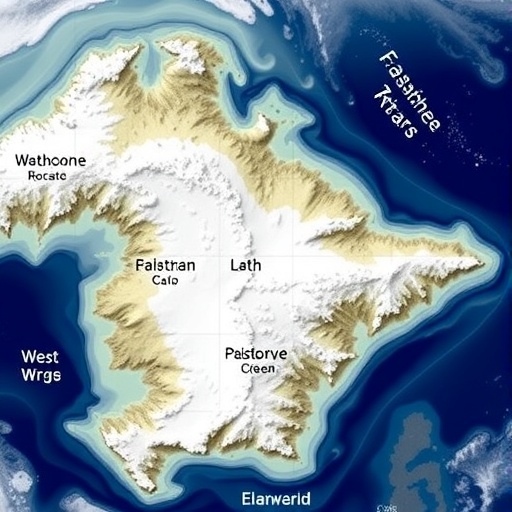
In a groundbreaking study that explores the intricate relationships between atmospheric and oceanic forces, researchers have investigated the dynamic changes occurring in the glaciers of West Graham Land on the Antarctic Peninsula. This region has been profoundly affected by both climate change and natural environmental fluctuations, and the findings of this comprehensive research shed light on the mechanisms at play. With alarming rates of glacial retreat and ice loss being reported globally, the insights from this study underscore the pressing need to understand the local processes that govern these changes in a part of the world that is both ecologically significant and highly vulnerable.
The researchers conducted an extensive field study over multiple seasons, utilizing a blend of in-situ measurements, remote sensing technology, and climate modeling to piece together the puzzle of glacial dynamics. By analyzing ice core samples, satellite imagery, and oceanographic data, the team uncovered the ways in which warmer ocean waters penetrating the fjords of West Graham Land contribute to ice melt rates. This phenomenon is particularly concerning because it highlights how oceanic currents, which are often overlooked in glacial studies, can significantly impact ice stability.
Central to their findings is the role of atmospheric conditions in regulating these oceanic effects. The team noted that seasonal temperature variations, coupled with changes in wind patterns, have markedly influenced the behavior of sea ice around the Antarctic Peninsula. Such alterations in the atmosphere lead to varying baselining conditions that directly affect the ice sheets. This connection between the atmosphere and the ocean emphasizes the integrated nature of environmental systems, revealing that disturbances in one area can ripple through and catalyze changes in another.
The study’s authors also brought attention to the accelerated rates of glacier retreat observed in the region, suggesting that the consequences of these changes extend far beyond local ecosystems. Glacial melt can contribute to rising sea levels, which pose a global threat, particularly to coastal communities. The implications of such findings raise critical questions about future sea-level rise projections and the broader impacts on human populations and biodiversity.
Moreover, the research team’s modeling efforts revealed that the interaction between sea ice and ocean temperatures acts like a feedback loop, exacerbating ice melt under certain conditions. The data indicated that as glaciers thin and retreat, they expose more of the dark sea surface, which absorbs heat from sunlight. This absorption further warms the water and accelerates melt, creating a concerning cycle that could lead to rapid changes in the landscape of West Graham Land.
Significantly, the authors reported that their results align with broader trends observed in other glaciated regions around the world, suggesting that West Graham Land is not an isolated case. The regional data they produced may inform future studies on glacial behavior elsewhere and contribute to a more comprehensive understanding of ice dynamics on a global scale. Their research demonstrates that while regions like West Graham Land are deeply impacted by local conditions, they are also part of a larger narrative of climate change that transcends geographic boundaries.
The study’s outcomes bear crucial implications for environmental policy and management strategies as well. Understanding the factors driving glacial melt can guide conservation efforts and climate action initiatives. Given the significant role glaciers play as freshwater reservoirs, policymakers and resource managers must consider the importance of safeguarding these ecosystems to maintain water supplies for future generations.
In addition to the physical changes occurring in glaciers, the research also touches on the potential ecological consequences of glacial retreat. The loss of ice alters habitats for species that depend on cold water environments, with cascading effects on local food webs. As marine ecosystems shift in response to changing glacial dynamics, there is a risk that sensitive species may face extinction or significant habitat degradation.
Furthermore, the scientists call attention to the urgent need for continued monitoring efforts to track changes in the region, particularly in light of the rapid pace of environmental shifts. Investing in better observational frameworks and technological advancements can enhance understanding and predictions of glacial responses, better preparing communities for mitigating impacts.
Ultimately, the study by Dong, Floricioiu, and Krieger offers a vital contribution to the discourse surrounding polar research and climate change. As Antarctic glaciers continue to be studied and monitored, the collaborative efforts of scientists across disciplines will be essential in developing a nuanced understanding of our planet’s changing climate. The insights gained from such research will not only benefit scientific knowledge but also serve to inform the ongoing dialogue regarding environmental stewardship and resilience in the face of climate challenges.
Engaging communities about the realities of glacial melting and its global implications is another key takeaway from the study. The interplay between scientific research and public awareness is crucial in fostering a societal response to climate change. By transforming complex findings into accessible information for the public, scientists can empower individuals and communities to take meaningful action against influencing climate variability.
In conclusion, the discoveries made in the glacial landscapes of West Graham Land provide a vivid illustration of the challenges posed by climate change and environmental shifts. The intricate ties between atmospheric and oceanic influences serve as a reminder that the fight against climate change requires an integrated approach that recognizes the interconnectedness of ecological systems. The knowledge gained from this study is a step forward in the quest to understand and ultimately mitigate the accelerating impacts of climate change on the world’s glaciers.
Cite Scienmag News
Violet Maxwell. (November 27, 2025). West Graham Land: Glacial Changes Driven by Atmosphere-Ocean. Scienmag. https://scienmag.com/west-graham-land-glacial-changes-driven-by-atmosphere-ocean/
Violet Maxwell. "West Graham Land: Glacial Changes Driven by Atmosphere-Ocean." Scienmag, 27 November 2025, https://scienmag.com/west-graham-land-glacial-changes-driven-by-atmosphere-ocean/. Accessed 4 September 2026.
Violet Maxwell. "West Graham Land: Glacial Changes Driven by Atmosphere-Ocean." Scienmag. November 27, 2025. https://scienmag.com/west-graham-land-glacial-changes-driven-by-atmosphere-ocean/


