


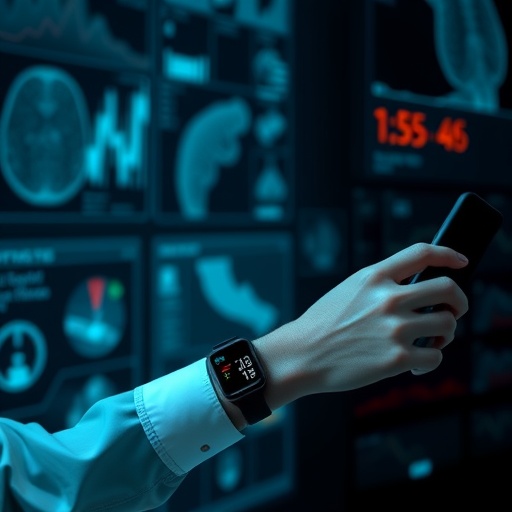
In an era increasingly characterized by technological advancement, the integration of consumer-grade wearable devices into the fabric of clinical care stands out as a transformative development. This change is not merely a trend but a significant evolution in the way healthcare professionals perceive patient-generated health data. The insights from the research conducted by Mak et al. bluntly emphasize the promise and challenges of incorporating these tools into everyday healthcare practices.
As wearable technology burgeons, more individuals rely on devices to monitor personal health metrics. Fitness trackers, smartwatches, and even advanced smart textiles provide data on heart rate, sleep patterns, physical activity, and other vital signs. The ability to harness this data for clinical purposes offers a tantalizing glimpse into a more personalized approach to healthcare. Healthcare professionals recognize that these consumer-grade devices can enhance patient engagement and empower individuals to take charge of their health.
However, the excitement surrounding wearable technology is tempered by significant considerations. The reliability and accuracy of data produced by consumer devices raise a red flag for medical practitioners. Many clinicians express skepticism regarding the clinical validity of patient-generated data, questioning whether these metrics can inform treatment decisions effectively. This hesitance highlights the crucial need for rigorous validation studies that can assure healthcare providers of the technological efficacy of these devices.
Further complicating the dialogue surrounding the integration of wearables is the issue of data privacy. The collection and storage of health information raise questions about security and confidentiality. Patients may be reluctant to share their data if they fear potential breaches or misuse by third parties. Therefore, it becomes increasingly vital for healthcare professionals to advocate for robust regulatory measures to safeguard this information. By addressing these concerns head-on, practitioners can work to build a framework of trust with patients.
Training and education play pivotal roles in this integration process. Healthcare professionals reported a need for additional training on how to interpret and utilize data from consumer-grade devices. Without proper guidance, there is a real possibility that valuable insights could be overlooked or misinterpreted, leading to possible negative patient outcomes. Incorporating education about wearable technology into medical curricula could help foster a new generation of healthcare providers who are comfortable and informed regarding technological advancements.
Engagement between healthcare providers and patients is another area of focus in this ongoing transition. Research indicates that patients tend to be more engaged when they have access to their data. This interaction encourages proactive participation in health management, driving patients to seek advice and support from healthcare providers. Consequently, when clinicians advocate for the use of wearables, they may inadvertently foster a collaborative relationship that enhances patient care.
Moreover, the integration of wearables transcends basic health monitoring; it also incorporates remote patient management. Given the rising prevalence of chronic health conditions such as diabetes and hypertension, the potential for wearables to facilitate remote monitoring could be invaluable. Imagine a situation where patients receive timely notifications regarding abnormal readings, thereby allowing for immediate interventions. This model not only enhances the quality of care but could also alleviate the burden on healthcare systems.
The implications of merging consumer-grade technology with clinical care extend beyond individual patient experiences. Institutions that utilize data from wearable devices can also contribute to population health management. Aggregated data sets elucidate trends that inform public health interventions and policies. By analyzing patterns in health metrics from various demographics, health organizations can identify high-risk populations and allocate resources accordingly.
However, the research conducted by Mak et al. stresses the importance of contextualizing these devices within healthcare systems. The successful adoption of wearable technology is not solely contingent on the technology itself; it also relies big-time on how well it is integrated into existing workflows and systems. For instance, electronic health records (EHRs) must evolve to accommodate the influx of health data from consumer devices. Fostering interoperability between systems ensures that clinicians can easily access and utilize patient-generated data.
In examining the perspectives of healthcare professionals, it becomes clear that there is a mix of optimism and caution regarding this transition. Some practitioners are early adopters, enthusiastic about the prospect of utilizing real-time data to enhance patient outcomes. Others, however, remain firmly rooted in traditional practices, expressing skepticism about the overall value of wearable technology. Bridging this gap in perceptions is essential for cultivating a culture of innovation in healthcare.
Support from healthcare systems and organizational leadership can significantly influence the degree to which wearables are assimilated into clinical practice. Leadership support not only fosters a culture that embraces technological innovation but also ensures the allocation of necessary resources and training. When institutions understand and invest in the future potential of wearable technologies, the chances of successful, sustained integration increase.
As we peer into the horizon of clinical care, the reality is clear: the future is now. Innovators and technology developers will also play a critical role in facilitating this transformation. By creating user-friendly devices and applications that seamlessly integrate with clinical workflows, developers can help erase barriers to utilization. Education for patients becomes essential in maximizing the potential benefits and ensuring that they can effectively use the tools at their disposal.
The findings of this study advocate for a balanced approach that respects both innovative technology and the necessities of rigorous medical protocols. It pushes for a dialogue that encourages collaboration between healthcare professionals, patients, and technology developers. This relationship aims to create a harmonious ecosystem where data accuracy, patient privacy, and informed decision-making intersect ideally.
The integration of consumer-grade wearable devices into clinical settings is more than a technical endeavor; it encompasses a societal shift toward personalized healthcare. This shift requires a reevaluation of how we approach patient care, utilize technology, and engage in collective healthcare dialogues. As researchers like Mak et al. articulate, understanding the perspectives of healthcare professionals will be instrumental in navigating the complexities associated with this integration.
Having outlined the promising landscape of wearables in clinical care, a crucial takeaway is this: the conversation is just beginning. Expanding horizons await us, inviting further exploration of the implications, challenges, and triumphs in marrying consumer technology to healthcare. Adapting to the future will take courage, collaboration, and a commitment to enhancing patient care through all available means. As we stand on the cusp of this evolution, it is vital for all stakeholders—from clinicians to patients—to join in robust discussions about what the future might hold for healthcare.
Mak, S.S., Kinney, R.L., Bailey, A.L. et al. Integrating Consumer-Grade Wearable Devices and Patient-Generated Health Data into Clinical Care: Perspectives from Healthcare Professionals at a Learning Health System.J GEN INTERN MED (2025). https://doi.org/10.1007/s11606-025-09876-x
Cite Scienmag News
Ophelia Keating. (October 9, 2025). Wearables and Patient Data Transform Clinical Care Insights. Scienmag. https://scienmag.com/wearables-and-patient-data-transform-clinical-care-insights/
Ophelia Keating. "Wearables and Patient Data Transform Clinical Care Insights." Scienmag, 9 October 2025, https://scienmag.com/wearables-and-patient-data-transform-clinical-care-insights/. Accessed 7 September 2026.
Ophelia Keating. "Wearables and Patient Data Transform Clinical Care Insights." Scienmag. October 9, 2025. https://scienmag.com/wearables-and-patient-data-transform-clinical-care-insights/


