

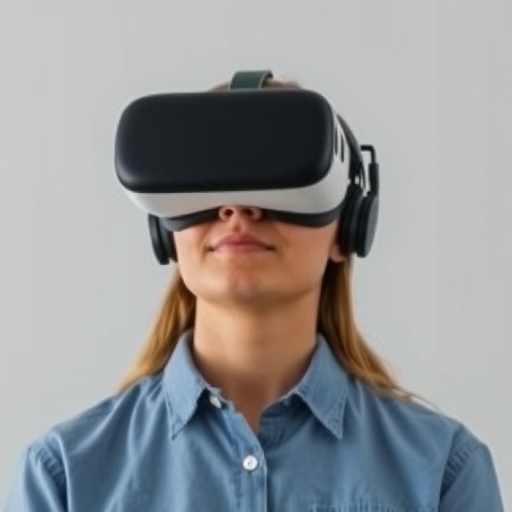
In a groundbreaking study published in Annals of General Psychiatry, researchers are delving into the intersection of mindfulness, virtual reality, and the nonpharmacological treatment of schizophrenia. This innovative approach aims to be a game-changer for individuals grappling with this mental health disorder, as it seeks to develop alternative therapeutic techniques that could augment existing treatment modalities. By integrating mindfulness training with virtual reality environments, the researchers attempt to unlock potential benefits for patients who are often marginalized in traditional medical frameworks.
Schizophrenia affects millions globally, characterized by delusions, hallucinations, and cognitive impairments that can severely disrupt an individual’s ability to function in everyday life. Conventional treatments predominantly focus on pharmacological interventions, which, while effective for some, do not work for everyone and can lead to a plethora of adverse side effects. The motivation behind this research is to find additional methods that can help improve outcomes without relying solely on medication. This novel approach could offer hope to patients seeking alternative treatments.
The integration of mindfulness training into this research framework is particularly intriguing. Mindfulness, an age-old practice rooted in Buddhist traditions, encourages individuals to adopt a non-judgmental awareness of the present moment. It has gained traction in various therapeutic settings due to its potential to enhance emotional regulation, reduce stress, and foster an improved sense of self-awareness. As researchers now explore how these training methods can be delivered through immersive virtual reality environments, the implications for treatment protocols could be profound.
Virtual reality has evolved significantly over the past few years, moving beyond simple gaming applications to offer therapeutic support in scientific research. By creating highly controlled, simulated environments, researchers can tailor experiences that allow patients to confront their fears and anxieties in a safe space. This heightened engagement can lead to more significant emotional breakthroughs than traditional methods might allow. The study aims to harness this technology to facilitate mindfulness practices, creating an immersive experience that could enhance the treatment of schizophrenia.
The potential benefits of combining mindfulness and virtual reality are manifold. For one, patients may find the virtual settings engaging and compelling, making the practice of mindfulness more appealing than conventional methods. Furthermore, the ability to practice in a simulated environment can provide an opportunity for patients to confront their symptoms holistically, thereby reducing the stigma associated with treatment. In essence, this research could redefine how we understand and approach the complex nuances of mental health care.
The study is meticulously designed to assess the feasibility, acceptability, and efficacy of this groundbreaking approach. Researchers employ a rigorous methodology, recruiting a diverse cohort of participants diagnosed with schizophrenia. By closely monitoring their progress and reactions to the virtual reality mindfulness training, the team aims to gather crucial data that will inform future research and clinical practice.
In their preliminary findings, the team suggests that participants have shown increased levels of engagement and motivation during mindfulness sessions conducted through virtual environments. This initial data indicates promise for the methodologies employed, suggesting that immersive experiences can lead to heightened emotional resilience. These findings are significant as they align with other evidence-based practices aiming to treat mental illnesses.
Moreover, the investigation into the neurobiological impacts of this combined approach is expected to shed light on underlying mechanisms that contribute to the effectiveness of mindfulness interventions. By employing brain imaging technologies alongside psychological assessments, researchers hope to delineate the cognitive pathways affected by both mindfulness and virtual reality. This multidimensional perspective is essential to understanding how innovative treatments can alter brain function and promote mental health recovery.
As the researchers navigate the complexities of schizophrenia and its treatment, the potential ripple effects of this study could revolutionize how mental health care is conceptualized and delivered. If successful, this research could pave the way for integrating technology and mindfulness training into mental health practices universally. Additionally, it may prompt further studies focusing on other psychological conditions where traditional treatments have proven inadequate.
The need for innovative mental health care solutions has never been more critical. With an increasing number of patients seeking alternatives to pharmacological treatments, studies like this one represent a beacon of hope, illuminating the path towards more holistic approaches. The implications extend beyond schizophrenia, inviting explorations into how similar models could be adapted for other mental health issues, such as anxiety disorders or depression.
As researchers continue to unravel the complexities of this intersection, it becomes increasingly evident that mindfulness training supported by virtual reality is not just a passing trend but a significant scientific advancement. The foundational work laid by this study may inspire an entire sector dedicated to reimagining mental health treatments through the marriage of traditional practices and modern technology.
In conclusion, this research represents a pivotal shift toward more inclusive, effective therapies for schizophrenia, emphasizing the necessity for continued exploration in this field. The dynamics of human psychology demand innovative solutions, and this study is but a stepping stone toward comprehensive care that prioritizes patient experience, engagement, and improved outcomes. Future generations of mental health professionals could very well look back on this work as instrumental in revolutionizing treatment paradigms.
As we stand on the brink of a new era in mental health treatment, the integration of mindfulness and technology is proving to be a powerful ally. The landscape of therapeutic intervention is changing rapidly, and the results of this research will undoubtedly contribute to the betterment of mental health initiatives for years to come.
Subject of Research: The role of mindfulness training supported by virtual reality in the nonpharmacological treatment of schizophrenia
Article Title: The role of mindfulness training supported by virtual reality in the nonpharmacological treatment of schizophrenia-research design
Article References:
Cechnicki, A., Chrobak, A., Plencler, I. et al. The role of mindfulness training supported by virtual reality in the nonpharmacological treatment of schizophrenia-research design.
Ann Gen Psychiatry 24, 49 (2025). https://doi.org/10.1186/s12991-025-00587-5
Image Credits: AI Generated
DOI: https://doi.org/10.1186/s12991-025-00587-5
Keywords: mindfulness, virtual reality, schizophrenia, nonpharmacological treatment, mental health care


