


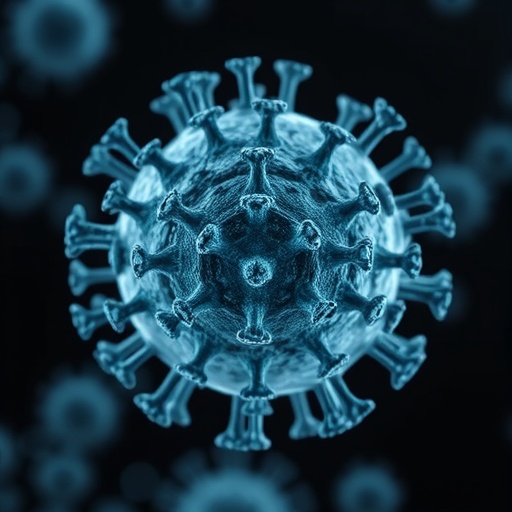
Tuberculosis and HIV have long represented a cruel convergence of infectious diseases that complicate global health efforts, especially in regions with high prevalence of HIV infection. Recent research unveils groundbreaking molecular insights into this deadly synergy, revealing how HIV manipulates cellular processes to promote the survival and proliferation of Mycobacterium tuberculosis, the bacterium responsible for tuberculosis (TB). This discovery builds upon the known epidemiological reality that TB remains the leading cause of death among people living with HIV, accounting for roughly one in three deaths worldwide within this vulnerable population.
At the heart of this intricate interplay lies the HIV-1 Tat protein, a powerful viral transactivator of transcription. Though extensively studied for its role in HIV replication and pathogenesis, Tat’s extrinsic effects on host immune cells have remained enigmatic until now. A multidisciplinary research team led by CNRS scientists in France has uncovered how Tat undermines innate immune defenses by disrupting autophagy—a fundamental cellular degradation pathway central to eliminating intracellular pathogens, including M. tuberculosis.
Autophagy serves as a critical cell-intrinsic defense mechanism, mobilizing cytoplasmic cargo, including invading bacteria and viruses, into lysosomes for degradation. This homeostatic process not only prevents cellular damage but also curtails microbial replication within immune cells such as macrophages. The study demonstrates that Tat protein secreted by HIV-infected cells inhibits autophagy specifically by interfering with clathrin-mediated endocytosis, a process essential for the formation of autophagosomes. The inhibition of this pathway effectively creates a protective niche for M. tuberculosis, allowing it to evade destruction and multiply within macrophages unhindered.
These revelations emerge from rigorous experimental studies employing both human immune cells and zebrafish larvae—a well-established model organism for real-time visualization of host-pathogen interactions. Notably, the zebrafish model revealed increased bacterial burdens upon exposure to Tat, corroborating cellular data and underscoring the pathological significance of Tat-mediated autophagy blockade. This cross-species validation reinforces the potential for Tat to exacerbate tuberculosis pathogenesis in HIV-positive hosts, independent of effective antiretroviral therapy.
Of profound significance is the finding that even effective suppression of HIV viral load does not fully alleviate the heightened risk of TB in HIV-infected individuals. This suggests that extracellular Tat protein may persist in tissues and maintain its immunomodulatory effects. By impeding autophagic pathways, Tat fosters a microenvironment conducive to persistent infection, immune evasion, and sustained inflammation, further compromising patient outcomes.
The study navigates uncharted territories by zooming in on the molecular crosstalk between HIV and tuberculosis at the cellular level, revealing how a single viral protein orchestrates a cascade of immune impairments. It sheds light on the paradox that HIV, beyond depleting CD4+ T cells, actively subverts innate immune defenses critical for controlling opportunistic pathogens. This mechanistic insight reshapes our understanding of HIV-TB co-pathogenesis, paving new avenues for therapeutic intervention.
Addressing Tat protein directly remains a formidable challenge given its multifaceted roles and structural features that resist conventional pharmacological targeting. However, this research opens promising horizons toward developing host-directed therapies aimed at reinstating autophagy. Compounds that boost autophagic flux or mimic clathrin-mediated endocytosis could counteract Tat’s inhibitory effects, thereby restoring macrophage bactericidal activity and limiting M. tuberculosis replication.
Furthermore, this mechanistic knowledge enriches the broader field of infectious disease biology by highlighting autophagy as a critical immunological hub vulnerable to viral manipulation. HIV’s subversion of clathrin-mediated endocytosis extends beyond TB, as the study also indicates enhanced replication of Toxoplasma gondii, another pathogen requiring cellular internalization and clearance. Such findings suggest that therapies enhancing autophagic pathways might yield broad-spectrum benefits in managing co-infections common in immunocompromised individuals.
The implications also extend to vaccine research, where incorporating autophagy modulation could enhance immune responses. Since autophagy intersects with antigen presentation and inflammation, strategies correcting Tat-induced autophagy inhibition could optimize vaccine efficacy against mycobacterial diseases among HIV-infected populations, a long-standing public health goal.
Importantly, these findings underscore the urgent need for integrated disease management in clinical settings. Current antiretroviral therapies, while life-saving, do not fully address the nuanced molecular immunosuppression exerted by viral proteins like Tat. Thus, comprehensive care should consider adjunctive treatments that remediate immune dysfunctions and reinforce host defenses, improving long-term outcomes and reducing TB incidence.
This pioneering research represents a paradigmatic shift in how we conceptualize HIV’s impact on co-infections. It moves the focus beyond viral replication control toward mitigating viral protein-mediated immunopathology. As scientists strive to understand the complex interplay of viral-host factors, these discoveries stimulate the development of novel therapeutics that could transform prognosis for millions affected by HIV-TB co-infection worldwide.
In sum, the CNRS-led study illuminates a hitherto underappreciated molecular mechanism by which HIV promotes tuberculosis pathogenesis—through the Tat protein’s inhibition of clathrin-mediated endocytosis and autophagy. This mechanistic insight advances our understanding of HIV-related immune susceptibility and charts a promising path toward innovative host-targeted therapies aiming to restore cellular defenses disrupted by viral factors. Continued research over the coming years will be critical to harness these findings into clinical applications and ultimately alter the trajectory of two of the deadliest infectious diseases plaguing humanity.
News Publication Date: 18-Sep-2025
Web References: DOI: 10.1101/2025.05.02.651870
References: This study involves contributions from the Institut de recherche en infectiologie de Montpellier (CNRS/Université de Montpellier), Laboratory of Pathogens and Host Immunity (CNRS/Inserm/Université de Montpellier), Institut de pharmacologie et biologie structurale (CNRS/Université de Toulouse), and Institut interdisciplinaire de neurosciences (CNRS/Université de Bordeaux).
Cite Scienmag News
Kristina Jarvis. (September 18, 2025). Viral Protein Linked to Increased Tuberculosis Vulnerability in People with HIV. Scienmag. https://scienmag.com/viral-protein-linked-to-increased-tuberculosis-vulnerability-in-people-with-hiv/
Kristina Jarvis. "Viral Protein Linked to Increased Tuberculosis Vulnerability in People with HIV." Scienmag, 18 September 2025, https://scienmag.com/viral-protein-linked-to-increased-tuberculosis-vulnerability-in-people-with-hiv/. Accessed 4 September 2026.
Kristina Jarvis. "Viral Protein Linked to Increased Tuberculosis Vulnerability in People with HIV." Scienmag. September 18, 2025. https://scienmag.com/viral-protein-linked-to-increased-tuberculosis-vulnerability-in-people-with-hiv/


