


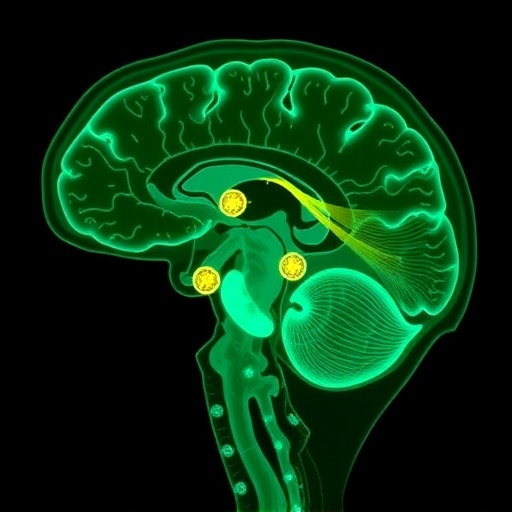
In a groundbreaking study, researchers have unveiled a novel therapeutic mechanism that could significantly enhance recovery from spinal cord injuries. This research, conducted by a team led by C. Xue, was recently published in the prestigious journal Journal of Translational Medicine. The central focus of the study is on vascular endothelial growth factor (VEGF) secreted by human dental pulp stem cells, which appears to play a pivotal role in repairing spinal cord damage. The introduction of stem cell-derived VEGF reveals a promising direction for treating neurological injuries that have long been deemed irreparable.
Spinal cord injuries frequently result in profound neurological deficits, profoundly impacting victims’ quality of life. Traditional therapies have primarily focused on managing symptoms rather than addressing the underlying causes of tissue degeneration. However, recent advances in regenerative medicine have highlighted the role of stem cell therapies as a potential game changer. Stem cells possess the unique ability to differentiate into various cell types, presenting opportunities for cellular replacement and tissue regeneration. Among the various sources of stem cells, dental pulp stem cells have garnered attention due to their accessibility and capacity for functional recovery.
VEGF, a crucial signaling protein, has taken center stage in recent studies related to tissue repair. Previously recognized for its role in angiogenesis—the formation of new blood vessels—VEGF is now being appreciated for its multifaceted involvement in cellular response mechanisms following injury. Xue’s research elucidates how VEGF secreted by dental pulp stem cells can promote recovery processes specifically in the spinal cord by modulating the inflammatory response associated with injury. This pivotal finding offers a fresh perspective on the therapeutic potentials contained within stem cell biology.
A unique aspect of the study is its focus on pyroptosis, a form of programmed cell death associated with inflammation and immune response. In the context of spinal cord injuries, excessive activation of microglia—the primary immune cells in the central nervous system—can lead to an overwhelming inflammatory response that contributes to cellular degeneration. This study presents evidence that VEGF can inhibit the pyroptotic pathways activated in microglia following injury, thereby mitigating their harmful effects and promoting a more favorable microenvironment for recovery.
Through a series of meticulously designed experiments, the researchers demonstrated that the application of VEGF significantly decreased markers associated with microglial pyroptosis. Notably, this effect was achieved through the activation of the PI3K/AKT signaling pathway, a critical regulatory pathway known for its roles in cell survival and growth. The results indicate that stimulating this pathway can effectively reduce inflammatory responses in the injury site, ultimately leading to better functional outcomes.
As part of the experimental setup, the team employed an in vivo model of spinal cord injury, allowing them to observe the dynamics of the healing process in real-time. Their findings showed a marked improvement in locomotor function in treated subjects, a result that highlights the practical implications of this research. The prospect of achieving functional recovery through a naturally occurring protein like VEGF opens up new possibilities for clinical application in treating spinal cord injuries.
Beyond the immediate implications for spinal cord injury treatment, this study contributes to a larger body of knowledge regarding the role of stem cells and their secretions in regenerative medicine. It encourages researchers to continue exploring stem cell-derived factors, including additional growth factors and cytokines, that promote tissue repair. The ongoing quest for effective therapeutic strategies emphasizes the need for innovative approaches that harness the body’s innate healing capabilities.
The study also raises questions about the potential for scalability in clinical applications of this research. If stem cell therapy using VEGF can be effectively translated into human treatments, significant advancements could be made in protocols for managing not only spinal cord injuries but also other neurodegenerative conditions. This could lead to standardized treatment regimes that incorporate dental pulp stem cells, making regeneration more achievable for patients experiencing various forms of neurological deficits.
Importantly, the authors acknowledge potential limitations of their research, including the variability in individual responses to stem cell therapies. Future studies will need to address these variations and establish more precise methods for patient stratification. As the field of regenerative medicine progresses, understanding the nuances of these therapies will be critical to ensuring their effectiveness across diverse patient populations.
The implications of C. Xue’s findings are far-reaching. As researchers dissect the complex interplay between VEGF, microglial activation, and spinal cord injury recovery, there is hope that this could lead to a new standard of care for those with spinal injuries. The therapeutic uses of dental pulp stem cells could ultimately redefine approaches to regenerative medicine, paving the way for innovations in treating old injuries and even chronic conditions that affect the nervous system.
This research stands as a testament to the power of interdisciplinary collaboration, marrying the fields of dentistry, neuroscience, and regenerative medicine. As science progresses, the boundaries of what is possible continue to expand, and studies like this serve as a foundation upon which future breakthroughs can be built. The revelation that VEGF possesses previously unrecognized capabilities in the context of spinal cord injury presents an exciting opportunity for the field.
One of the most exciting aspects of this research is not just its findings but the door it opens for further exploration. While this study focused on spinal cord injuries, the implications of VEGF’s role in regulating inflammation and promoting tissue repair might extend to various other conditions. Future research could investigate its applications in other types of injuries, chronic diseases, and even age-related degeneration, leading to a broader understanding of regenerative mechanisms.
As the scientific community digests these groundbreaking findings, attention will undoubtedly turn to clinical trials aimed at translating these discoveries into real-world therapies. Given the amount of enthusiasm surrounding stem cell therapy, especially with findings like those presented by Xue and their team, there is every reason to be optimistic about the future of regenerative medicine and the potential it holds for those suffering from debilitating injuries.
With an unwavering pace of innovation in medical science, this research underscores the importance of ongoing investigation into the multifaceted roles of growth factors like VEGF. As technologies advance, and with the promise of regenerative therapies on the horizon, the goal remains clear: to leverage natural biological processes to heal and restore function, enhancing lives in the process.
Xue, C. In reference to “VEGF secreted by human dental pulp stem cell promotes spinal cord injury repair by inhibiting microglial pyroptosis through the PI3K/AKT pathway”.
J Transl Med 23, 994 (2025). https://doi.org/10.1186/s12967-025-06536-w
Cite Scienmag News
Ophelia Keating. (September 24, 2025). VEGF from Dental Stem Cells Aids Spinal Repair. Scienmag. https://scienmag.com/vegf-from-dental-stem-cells-aids-spinal-repair/
Ophelia Keating. "VEGF from Dental Stem Cells Aids Spinal Repair." Scienmag, 24 September 2025, https://scienmag.com/vegf-from-dental-stem-cells-aids-spinal-repair/. Accessed 5 September 2026.
Ophelia Keating. "VEGF from Dental Stem Cells Aids Spinal Repair." Scienmag. September 24, 2025. https://scienmag.com/vegf-from-dental-stem-cells-aids-spinal-repair/


