


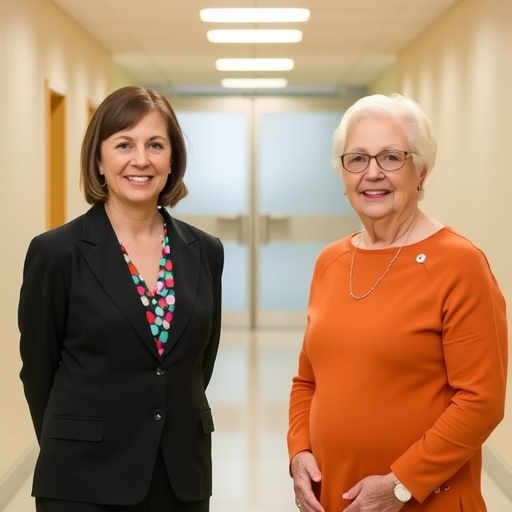
The University of Texas MD Anderson Cancer Center has unveiled an ambitious and transformative new initiative propelled by a $10 million donation from philanthropists Peggy and Carl Sewell. This funding establishes the Center for Cellular Language Intelligence, a pioneering research hub dedicated to decoding the intricate communications that govern the behavior of cancer cells within their native environments. By leveraging cutting-edge spatial biology technologies, sophisticated artificial intelligence (AI), and deep clinical knowledge, the center aims to revolutionize our understanding of tumor ecosystems and catalyze the development of earlier diagnostics, innovative prevention strategies, and ultra-precise personalized therapies.
Cancer complexity has long challenged researchers due to the dynamic interplay between malignant tumor cells, immune effectors, and supportive stromal cells forming a cohesive yet ever-evolving ecosystem. The Center for Cellular Language Intelligence focuses on deciphering the “language” of cancer—how individual tumor and normal cells spatially organize, communicate, and adapt over time within the tissue microenvironment. Utilizing spatial omics and advanced imaging modalities, researchers will map cellular neighborhoods and unravel molecular signaling networks in situ, enabling an unprecedented resolution of tumor architecture and function.
Traditional cancer research has centered upon genetic mutations and molecular signatures within bulk tumor samples, obscuring the spatial heterogeneity and complex cell-cell interactions essential for disease progression and response to therapy. The advent of spatial biology integrates genomics with precise spatial coordinates, laying the groundwork for modeling cellular ecosystems with enhanced fidelity. By integrating these data-rich maps with AI-driven analytics, the center will decode hidden patterns and causal drivers behind tumor growth, metastasis, and treatment resistance.
Under the leadership of Linghua Wang, M.D., Ph.D., a prominent figure in computational oncology and spatial biology, the center will establish a multidisciplinary consortium connecting UT MD Anderson’s genomic medicine, immunology, and big data science experts. Wang’s laboratory has pioneered AI-enabled computational frameworks that analyze high-dimensional single-cell and spatial data, revealing fundamental insights into tumor plasticity, immune evasion mechanisms, and predictive biomarkers crucial to immunotherapy success. Her vision is to create a translational pipeline seamlessly linking discovery research to clinical trial design and precision medicine implementation.
The center’s integrative approach marries technological innovation with clinical applicability. High-resolution single-cell sequencing and multiplexed imaging techniques will be paired with computational models that simulate tumor behavior within their microenvironments. These simulations aim to identify critical “signaling hubs” and biological programs that orchestrate cancer cell proliferation, immune interaction, and resistance. The resulting biological insights will pinpoint novel therapeutic targets and prognostic indicators, transforming patient stratification and treatment regimens.
Spatially-resolved functional genomics will allow researchers to observe real-time cellular adaptations under therapeutic pressures, illuminating mechanisms of acquired resistance and relapse. This capability is vital to developing next-generation combination therapies that anticipate and circumvent tumor evolution. Additionally, by decoding the language of early cancer initiation, the center aspires to create non-invasive early detection assays and innovative prevention strategies, shifting the paradigm towards intercepting cancer before clinical manifestation.
The Sewells’ generous endowment fuels strategic recruitment of leading experts and the establishment of robust infrastructure to support these multidisciplinary efforts, including advanced computational platforms and AI resources. These capacities are critical in managing and interpreting the vast datasets generated by high-throughput spatial technologies. By fostering collaboration across institutional programs and data science initiatives, the center will become a magnet for groundbreaking discoveries with direct clinical translation potential.
This initiative aligns closely with UT MD Anderson’s broader philanthropic campaign, “Only Possible Here: The Campaign to End Cancer,” which has raised over $2 billion to fund transformative cancer research and clinical innovations. The Center for Cellular Language Intelligence embodies the campaign’s commitment to breakthrough science, integrating emerging technologies and cross-disciplinary expertise to accelerate progress against cancer’s complexity.
The Sewells have a long-standing history of impactful philanthropy supporting cancer research and education at MD Anderson. Peggy’s involvement with the institution’s Board of Visitors and their dedication to signature fundraising events have amplified the center’s potential to drive monumental advances. Their investment underscores the vital role of visionary stewardship in empowering institutions to harness emerging scientific frontiers and deliver tangible improvements in cancer care.
By decoding cellular communication networks that define tumor ecosystems, this new center heralds a paradigm shift in oncology research. Its comprehensive pursuit—from spatial mapping of cell interactions to AI-powered discovery of predictive biomarkers and therapeutic targets—promises to unveil hidden dimensions of cancer biology. This will pave the way for precisely tailored interventions and ultimately improve patient outcomes on a global scale.
As the Center for Cellular Language Intelligence embarks on this pioneering endeavor, it exemplifies a transformative vision where technology and biology converge to translate complex cancer languages into actionable knowledge. This fusion holds the promise not only to elucidate cancer’s most elusive mechanisms but also to inspire innovative strategies that defeat the disease with unmatched precision and efficacy. UT MD Anderson, under Dr. Wang’s stewardship and the Sewells’ generosity, is poised to lead the charge into this exciting frontier of cancer discovery and care.
- https://www.mdanderson.org/research/departments-labs-institutes/programs-centers/center-for-cellular-language-intelligence.html
- https://faculty.mdanderson.org/profiles/linghua_wang.html
- https://www.mdanderson.org/research/departments-labs-institutes/labs/linghua-wang-laboratory.html
Image Credits: UT MD Anderson
Keywords: Cancer genomics, Single-cell biology, Spatial biology, Artificial intelligence, Computational modeling, Tumor microenvironment, Precision oncology, Functional genomics, Biomarkers, Cancer cell communication
Cite Scienmag News
Nathaniel Bowman. (April 29, 2026). UT MD Anderson Launches Center for Cellular Language Intelligence Following $10 Million Gift from Peggy and Carl Sewell. Scienmag. https://scienmag.com/ut-md-anderson-launches-center-for-cellular-language-intelligence-following-10-million-gift-from-peggy-and-carl-sewell/
Nathaniel Bowman. "UT MD Anderson Launches Center for Cellular Language Intelligence Following $10 Million Gift from Peggy and Carl Sewell." Scienmag, 29 April 2026, https://scienmag.com/ut-md-anderson-launches-center-for-cellular-language-intelligence-following-10-million-gift-from-peggy-and-carl-sewell/. Accessed 4 September 2026.
Nathaniel Bowman. "UT MD Anderson Launches Center for Cellular Language Intelligence Following $10 Million Gift from Peggy and Carl Sewell." Scienmag. April 29, 2026. https://scienmag.com/ut-md-anderson-launches-center-for-cellular-language-intelligence-following-10-million-gift-from-peggy-and-carl-sewell/


