


In an extraordinary fusion of quantum physics and biology, the Foundational Questions Institute (FQxI), in partnership with the Paradox Science Institute, has recently unveiled the winners of their groundbreaking essay competition titled “How Quantum is Life?” This competition sought to explore the intricate role quantum mechanics may play in the fundamental processes of living systems—a frontier that has long piqued the curiosity of both physicists and biologists. The winning essays, collectively awarded a $53,000 prize pot, reveal a diverse range of insights, spanning from quantum phenomena within enzymatic reactions to clinically relevant quantum effects observable in human skin, presenting transformative perspectives that could reshape biological science and medicine.
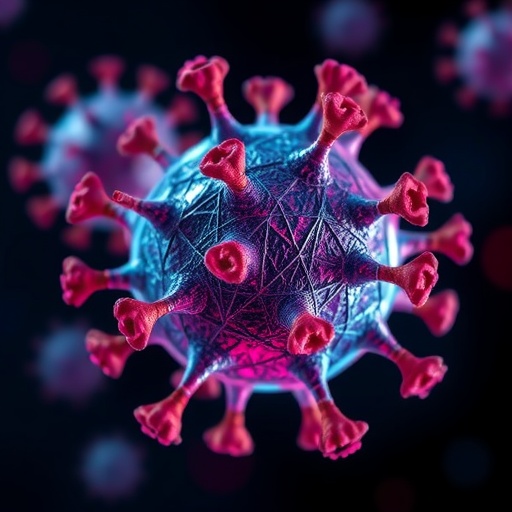
Viruses, traditionally viewed as entities at the blurred line between living and non-living matter, have emerged as compelling subjects in this discourse, particularly through the work of Connor Thompson, a microbiology and immunology PhD student. His essay, “Viruses: Quantum Probes of Life,” offers a fresh framework to evaluate the concept of ‘quantum advantage’ in biological systems—the hypothesis that quantum processes may afford evolutionary benefits over classical mechanisms. By positing viruses as natural quantum testbeds, Thompson details a suite of innovative, experimentally attainable methodologies to dissect whether these submicroscopic particles exploit quantum coherence or entanglement to enhance replication or immune evasion. The implications of such findings extend far beyond virology, potentially enabling the design of quantum bioengineered systems, illuminating novel therapeutic frontiers, and even impacting our strategies to detect extraterrestrial life.
Parallel to Thompson’s investigation into viral quantum biology, Samuel Morriss—a practicing clinician in Melbourne—has shed light on the quantum characteristics inherent in human skin. His essay, “How Quantum is the Skin? A Clinician’s Perspective on Life at the Nanoscale,” delves into three pivotal lines of inquiry: the quantum mechanisms underlying melanoma risk, the protective role of DNA against ultraviolet radiation through quantum absorption, and the utilization of skin as a quantum biomarker for aging processes. Morriss argues that skin acts as a living quantum interface, where nanoscale quantum interactions manifest with profound physiological consequences. His work underscores an urgent call to reintegrate physics into biological and medical sciences—a divide lamented since mid-20th century—highlighting that comprehending quantum processes at the biological interface is crucial not only for theoretical advancement but for tangible clinical applications.
The competition itself was a robust intellectual endeavor that drew 97 entries from a global spectrum of participants, including academics, clinicians, students, and non-specialists alike, illustrating the democratization and expansive reach of quantum biology discourse. Esteemed judges from multiple disciplines, including physics, biology, and quantum biology, evaluated the submissions in a blinded review process to ensure objectivity and accessibility without compromising scientific rigor. The range of perspectives on display revealed both the maturity and the aspirational horizons of quantum biology, a field still nascent yet brimming with transformative potential.
Among the highlighted contributions, undergraduate student Gabriela Frajtag’s essay, “The Quantum of Biology: History and Future,” garnered particular acclaim. Frajtag’s work is noteworthy for contextualizing quantum biology within its historical foundation while proposing clear, falsifiable experimental pathways for its evolution. Her essay exemplifies how fresh academic voices can shape the future of complex scientific inquiries by bridging past lessons with cutting-edge conceptual frameworks and measurable objectives. This recognition of emerging talent speaks to the inclusive and forward-thinking ethos embraced by FQxI and the Paradox Science Institute.
The broader significance of these essays lies not just in their individual scientific contributions but in their collective capacity to signal a paradigm shift in how life itself might be understood. The traditional dichotomy separating classical biological explanations from quantum phenomena is increasingly inadequate to describe the subtleties observed in molecular and cellular processes. Understanding life through the quantum lens may unravel new dimensions of enzyme catalysis, genetic mutation mechanisms, cellular communication, and energy transfer that classical models alone fail to address. This knowledge could accelerate the development of novel quantum-informed medical diagnostics, bioengineering applications, and revolutionary therapeutic modalities.
Furthermore, these studies reinforce the necessity of interdisciplinary collaboration. The quantum biology frontier demands expertise from physics, biology, medicine, chemistry, and computational sciences, fostering communities that can decode life’s deepest mysteries holistically. Notably, the competition’s emphasis on experimental feasibility translates theoretical ideas into practical studies that labs can pursue today, moving quantum biology from conceptual curiosity to an empirically grounded science.
This competition, the 13th of its kind hosted by FQxI and the second with anonymous judging, exemplifies how science institutions can nurture innovation and inclusivity. By creating platforms where professional researchers and amateurs alike contribute on equal footing, FQxI cultivates a fertile ecosystem for disruptive ideas. This structural openness is vital, given that nature’s quantum secrets likely transcend disciplinary boundaries and conventional academic hierarchies.
As these essays circulate within the scientific community and beyond, their impact is already palpable. They invite policymakers, funding bodies, and research institutions to reassess priorities, possibly diverting resources toward the exploration of quantum biology’s medley of promises—from drug design and personalized medicine to the foundational understanding of life’s emergence. The ripple effects may eventually touch technological sectors, inspiring quantum-enabled biotechnological tools that redefine what’s possible in healthcare and biological research.
In sum, the “How Quantum is Life?” competition not only spotlights trailblazing research on the quantum underpinnings of living systems but also galvanizes a vision of science that embraces complexity, fosters interdisciplinary dialogue, and values innovative voices. The insights generated by the eight winning essays chart promising pathways toward a deeper integration of quantum physics with the life sciences, heralding an era where life’s fundamental questions are interrogated with unprecedented clarity and creativity.
News Publication Date: February 14, 2026
Web References:
– Foundational Questions Institute (FQxI): https://fqxi.org/
– Paradox Science Institute: https://paradoxscience.org/
– FQxI Competition Winners and Essays Repository: https://qspace.fqxi.org/competitions/winners/17
Keywords
Quantum Biology, Quantum Mechanics, Viruses, Skin Quantum Effects, Quantum Bioengineering, Molecular Evolution, Quantum Medicine, Interdisciplinary Research, Quantum Bio-Phenomena, Quantum Advantage, FQxI Essay Competition, Quantum Biotech
Cite Scienmag News
Katie Riggs. (February 14, 2026). US$30,000 Science Award Shared by Proposals Exploring Viruses and Skin as Next Quantum Experimental Frontiers. Scienmag. https://scienmag.com/us30000-science-award-shared-by-proposals-exploring-viruses-and-skin-as-next-quantum-experimental-frontiers/
Katie Riggs. "US$30,000 Science Award Shared by Proposals Exploring Viruses and Skin as Next Quantum Experimental Frontiers." Scienmag, 14 February 2026, https://scienmag.com/us30000-science-award-shared-by-proposals-exploring-viruses-and-skin-as-next-quantum-experimental-frontiers/. Accessed 5 September 2026.
Katie Riggs. "US$30,000 Science Award Shared by Proposals Exploring Viruses and Skin as Next Quantum Experimental Frontiers." Scienmag. February 14, 2026. https://scienmag.com/us30000-science-award-shared-by-proposals-exploring-viruses-and-skin-as-next-quantum-experimental-frontiers/


